In major infrastructure projects, progress is often measured by visible milestones – the first bore, the first tunnel segment, the first test train, etc. Yet some of the most consequential work happens before any of that is seen, in phases defined less by motion than by preparation.
As a key part of the broader Gateway Program – one of the most critical rail infrastructure investments in the United States – the success of the Hudson Tunnel Project hinges on the performance of a single, highly complex system. A tunnel boring machine or TBM is roughly the length of a football field and is engineered to bore tunnels deep underground while maintaining precise alignment and control. As it advances, it excavates earth, manages ground conditions and installs the tunnel lining in a single, continuous operation, which means precision is critical.
Its arrival marked a significant step forward toward integrating a new dual-tube tunnel beneath the Hudson River. As TBM components were delivered and early assembly work began in North Bergen, New Jersey, the project entered a new phase defined by coordination and preparation to ready the machines for tunneling.
This moment, before excavation and before headlines, is where complex infrastructure projects are truly tested. It is where plans are translated into physical reality, partnerships are exercised and teams prepare for the conditions they will face once work moves underground.
Building the Foundation
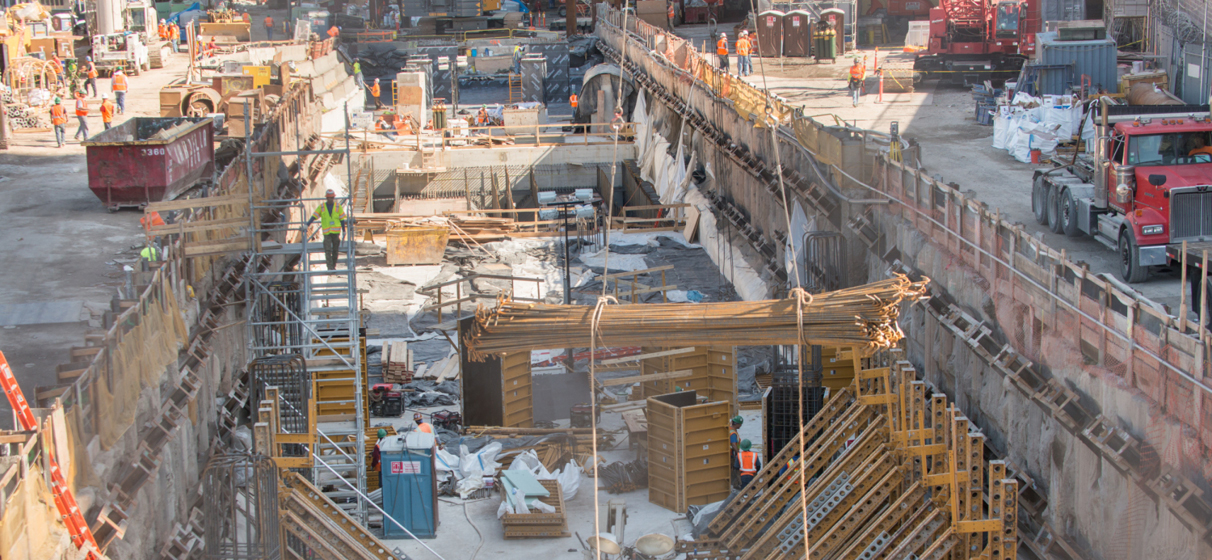
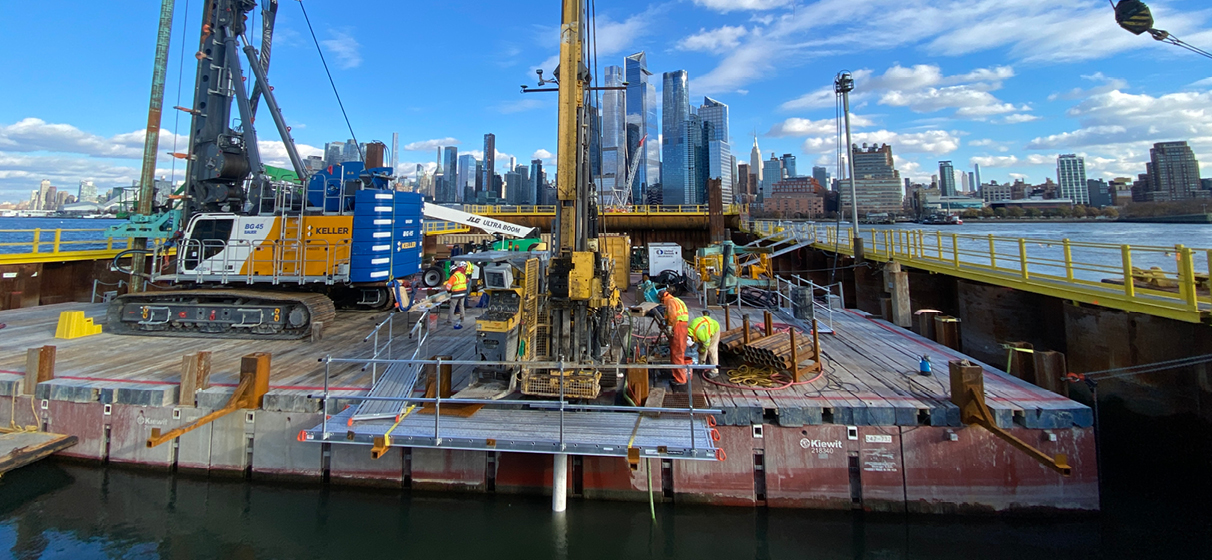
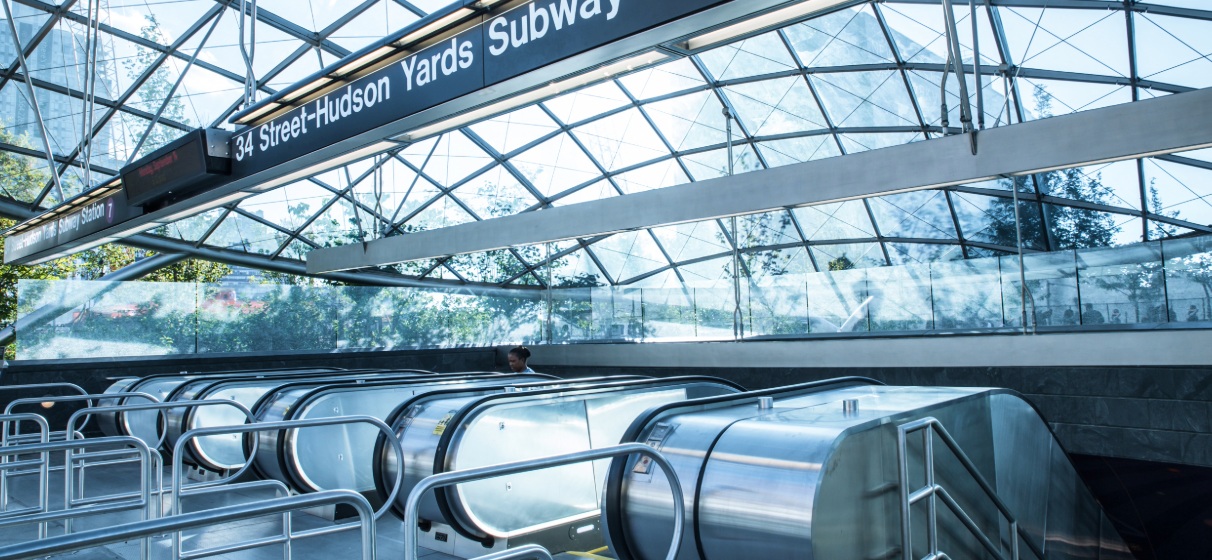
A cornerstone of the Gateway Program, the $16 billion Hudson Tunnel Project encompasses construction of nine miles of new passenger rail track, including a new tunnel connection between New York and New Jersey. The project supports a rail network that underpins approximately 20 percent of the U.S. economy, making long-term reliability essential.
Under a 10-year contract awarded by the Gateway Development Commission (GDC), the Gateway TransHudson Partnership Engineering (GTHPE) – a tri-venture consisting of STV, AECOM and WSP – is serving as the engineer-of-record and providing construction phase services. This work builds on the partnership’s prior contract with Amtrak, allowing for continuity and the transfer of institutional knowledge as the project advances.
Beyond improving rail reliability and safety, construction of the Hudson Tunnel Project is expected to create more than 95,000 jobs and generate $19.6 billion in economic activity, reflecting the scale and long-term significance of one of the nation’s most critical infrastructure investments.
The Quiet Work That Comes First
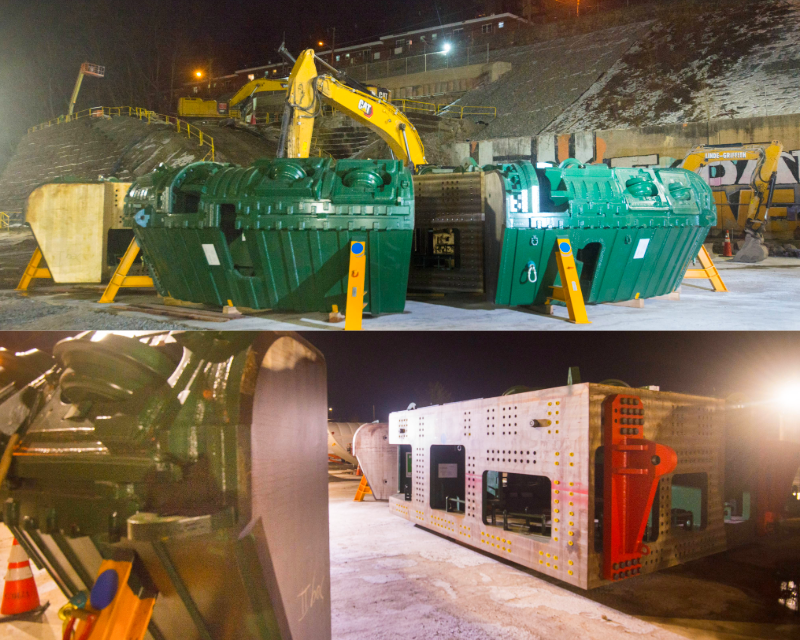
Tunnel boring machines are often described in terms of power and scale – what they can excavate and how efficiently they operate once underground. Before excavation can begin, each machine must be assembled piece by piece above ground – a process driven by precision rather than speed.
At its core, TBM assembly resembles building a complex system from thousands of interdependent parts. Each component has a defined place and sequence; nothing functions as intended if pieces are forced together or installed out of order. In North Bergen, individual components – some the size of small vehicles – arrive separately and are staged across the site, waiting their turn in the build.
Using heavy lifts and guided movements, crews lower each piece into position inch by inch, checking alignment as they go. Structural elements are set first, followed by drive systems and supporting mechanical and electrical components. Each connection is verified before the next step proceeds. Nothing moves forward until everything fits exactly as intended.
As systems come together, teams pause frequently to verify connections, confirm tolerances and ensure the machine is performing as expected before moving on. These checks are built into the process, reinforcing that assembly is as much about validation as it is about installation.
This work unfolds deliberately and repetitively by design. Engineers, construction planners, field crews and safety teams work side by side, reviewing lift plans, clearances and tolerances at every stage. What may appear slow from the outside is, in practice, a tightly controlled process in which accuracy matters more than pace.
Why Precision Matters
Unlike conventional construction, TBM assembly leaves little room for correction once work moves underground. Components must function together under constant pressure, in confined conditions, often far from direct access. Addressing alignment or integration issues later is far more complex – making early precision essential to long-term performance.
That importance becomes even clearer given the conditions the machine will face once it moves underground. Portions of the tunnel will pass through low-cover areas beneath the Hudson River, where shallow riverbed conditions demand specialized engineering controls. In that environment, even small decisions made during assembly can affect performance later.
Delivery of the second machine was completed in mid-April, allowing teams to continue preparing for the next phase of work once conditions allow excavation to move forward.
The People Behind the Process
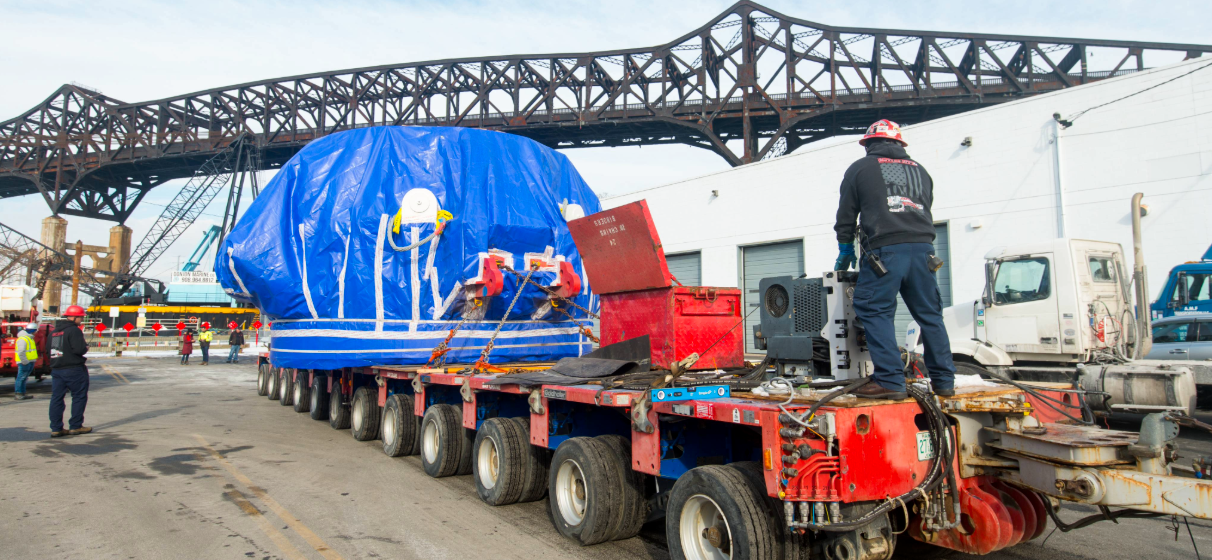
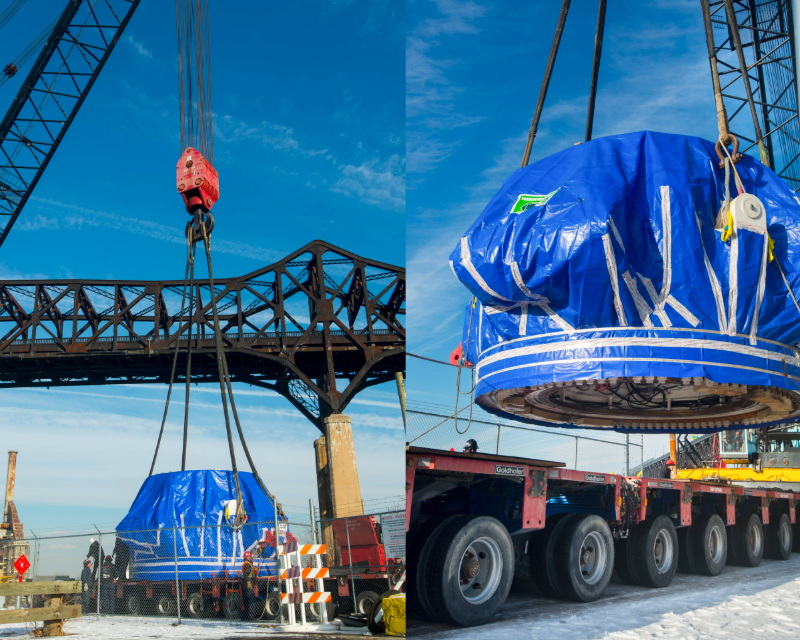
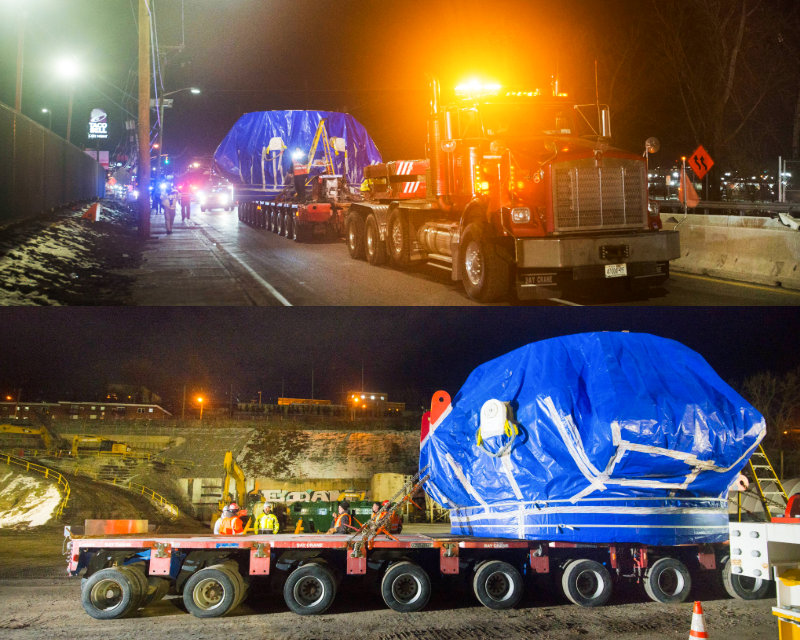
One of the clearest examples of the planning required at this stage was the transport of a key tunnel boring machine engine component.
Although the destination in North Bergen was only about four miles from its point of origin in Jersey City, moving equipment of this scale through an active urban environment required months of coordination. Clearances, traffic control, staging locations and timing all had to be accounted for long before the move took place.
The transport occurred overnight under police escort, unfolding deliberately and seamlessly. The move reinforced a central reality of major infrastructure work: Critical progress is often defined by planning and coordination long before execution.
While the scale of the machinery is striking, what ultimately defines this phase of the Hudson Tunnel Project is the people behind it. Engineers, planners, field crews and safety professionals work in close coordination, guiding each component into place with a shared sense of accountability and craft. Their work reflects a clear understanding that careful preparation above ground enables safe, reliable performance once tunneling begins.
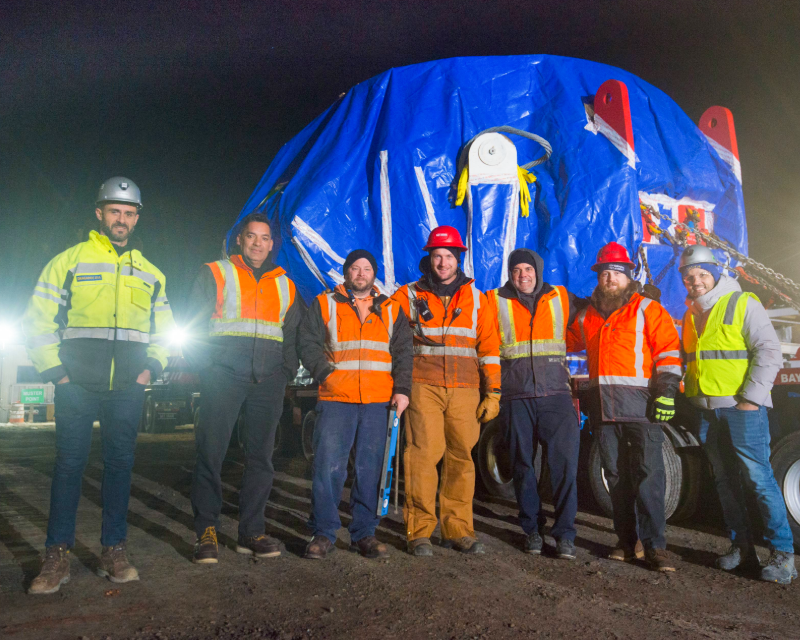
Tunnel boring machines may be mechanical achievements, but they are ultimately the result of human expertise – designed, transported, assembled and operated by teams who recognize that readiness is built through discipline, verification and attention to detail.
Tunneling is expected to begin once conditions allow excavation to move forward. When that moment comes, attention will understandably return to what is happening underground. The work taking place now sets the conditions for everything that follows.
Before a tunnel connects communities, people must come together first. And before progress becomes visible underground, it must be built – deliberately, collaboratively and piece by piece – above it.