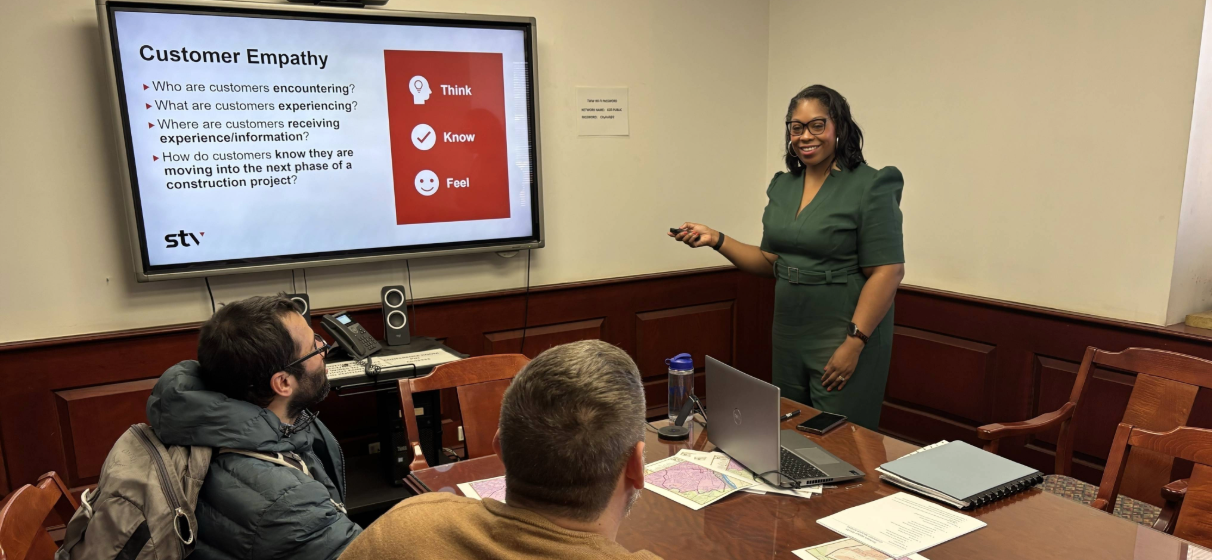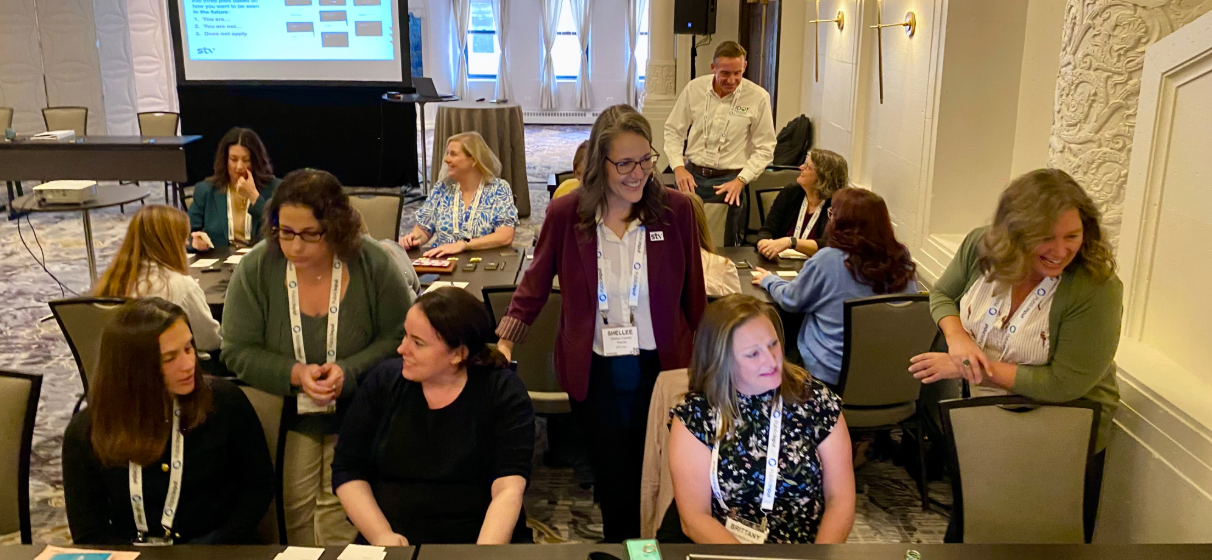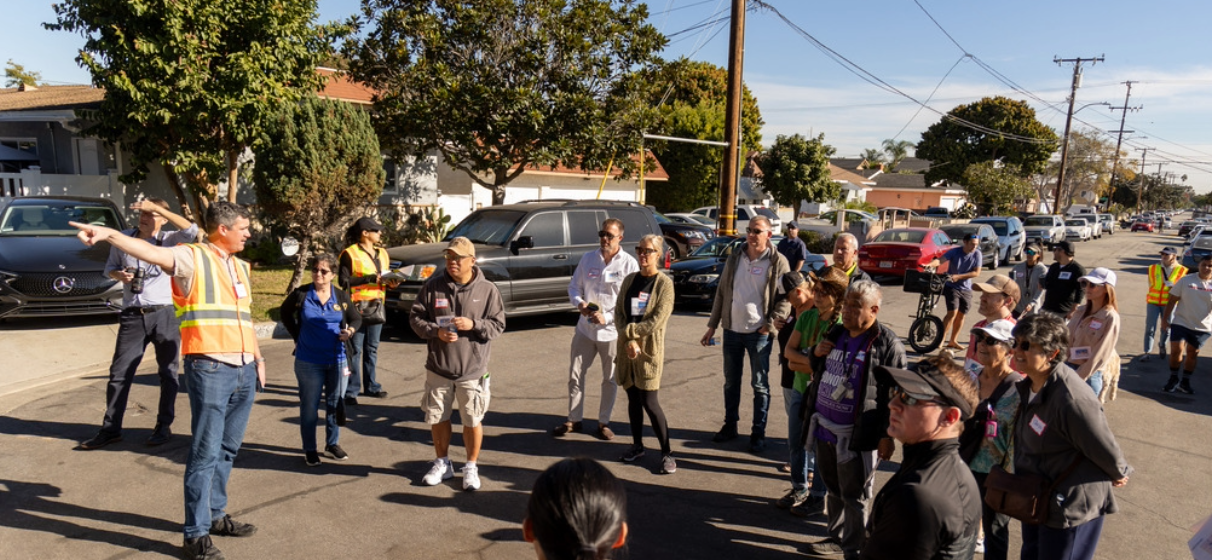
In her role as Director of Engagement at STV, Saba Gyemfi focuses on supporting transportation agencies—from DOTs to transit authorities and large capital programs – as they move from planning through delivery, helping agencies bridge the gap between policy and execution in environments where funding requirements, stakeholder expectations and delivery timelines must align simultaneously.
At the upcoming Conference of Minority Transportation Officials (COMTO) 2026’s National Meeting in Washington, D.C., these challenges will take center stage as practitioners navigate the intersection of federal policy, local delivery constraints and community outcomes.
In this interview, drawing on her experience supporting agencies through both engagement and implementation, Gyemfi provides a grounded view into what it takes to move infrastructure programs from award to execution – building capacity, strengthening coordination and delivering with confidence in complex infrastructure environments.
1.Where are you seeing the biggest disconnects in project delivery, and what’s making the difference for communities that are moving projects forward successfully?
The biggest disconnect often occurs when funding, project planning and public understanding are not aligned. In many federally funded transportation and corridor programs, communities secure funding but face delivery challenges tied to limited internal capacity, fragmented coordination across stakeholders and difficulty translating technical requirements into a shared understanding.
What’s making the difference is an integrated approach that connects engagement, communication and delivery planning before key decisions are locked in. Where projects tend to stall is when those elements move forward separately. When these elements are aligned early, teams can better anticipate concerns, maintain momentum and execute with greater consistency across planning and delivery phases.
From STV’s perspective, supporting agencies across this full lifecycle – rather than treating engagement as a standalone effort – helps ensure alignment carries through from concept to construction.
2. What does it take to intentionally build economic opportunity into infrastructure programs from the outset?
It starts with defining those outcomes early and making them part of the program’s core narrative – not an add-on.
From an engagement perspective, that means working closely with community partners, workforce organizations and local businesses to develop a shared understanding of how investment connects to economic opportunity in practical, visible ways.
The programs that are most successful are those that establish these relationships early and sustain them over time. When partners understand their role and how to participate, it strengthens delivery while creating more durable, long-term community impact.
3. As reauthorization conversations begin, what lessons should shape the next phase of infrastructure investment, particularly when it comes to delivering projects effectively at the local level?
One key lesson is that flexibility needs to extend beyond funding structures to how programs are implemented and communicated locally. Communities differ widely in capacity, stakeholder environments and communication needs, and those differences directly influence delivery outcomes.
How projects are experienced at the community level also plays a critical role. Transparent communication and meaningful engagement help ensure infrastructure investments are understood, supported and ultimately delivered more effectively.
4. Given the challenges, what trends or shifts give you confidence in how infrastructure delivery is evolving?
A notable shift across the industry is the move toward more strategic, integrated engagement. There’s a growing recognition that building understanding and trust is fundamental to successful project delivery.
We are seeing more proactive approaches to stakeholder engagement, stronger partnerships with community organizations and a greater emphasis on aligning communication with key project milestones. That helps agencies make better-informed decisions and address challenges as they emerge – rather than reacting after delays occur.
Over time, this momentum is strengthening delivery outcomes and reinforcing engagement as a core component of successful infrastructure execution – not just a communications function.