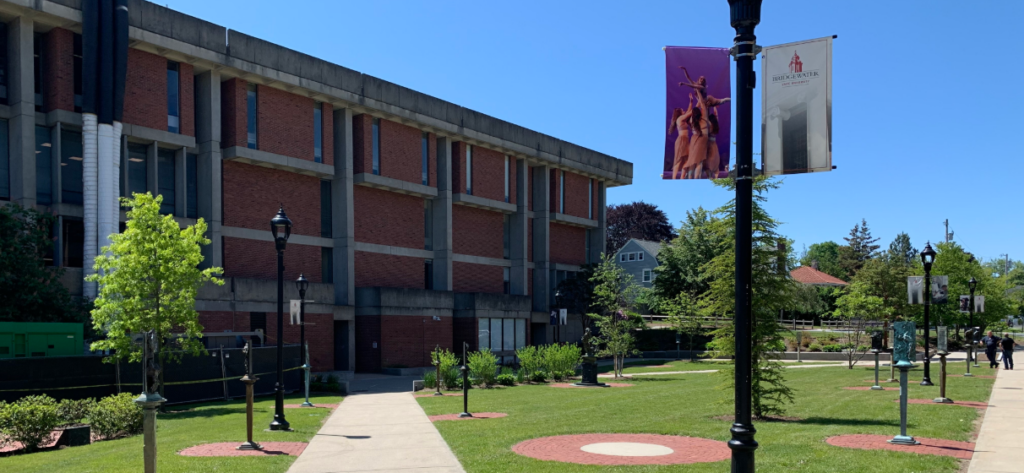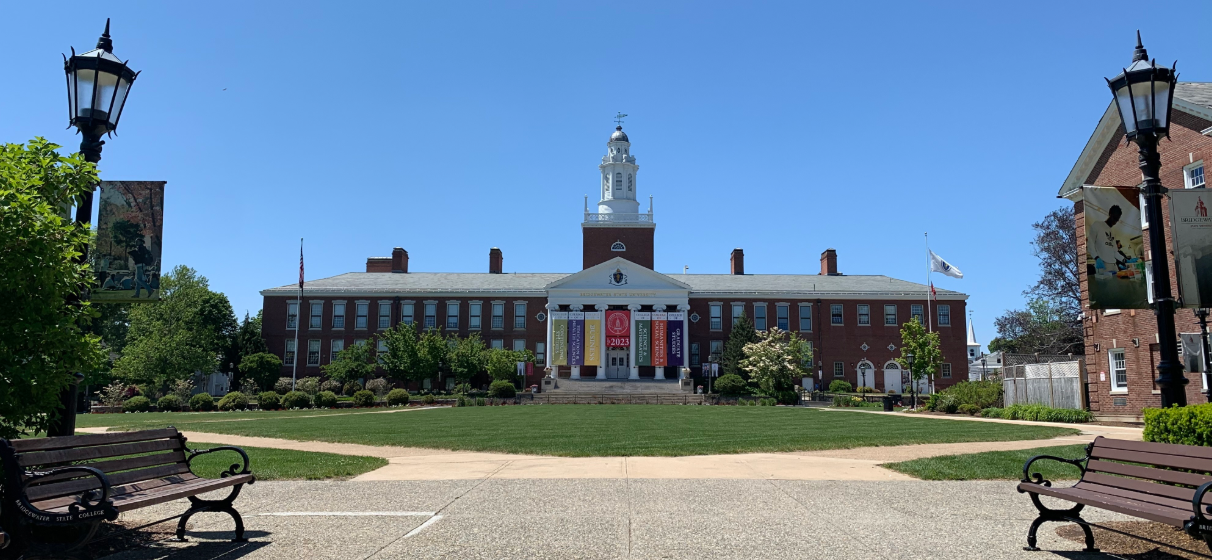
When Bridgewater State University (BSU) began evaluating how to meet Massachusetts’ ambitious climate goals, one issue stood out: the campus was still powered by infrastructure built for a different century. Aging steam systems were reaching the limits of their performance – and the university saw an opportunity to rethink its energy future instead of repairing the past.
For BSU, the challenge became how to undertake a transformation of this scale while keeping a campus community of thousands learning, working and thriving.
That’s where STV stepped in.
Listening First, Then Engineering the Path Forward
Through its on-call “energy upgrades” consulting process under the C.25A Energy, Water, Climate & Resilience Project “House Doctor” contract for engineering study and design services, the Massachusetts Division of Capital Asset Management and Maintenance (DCAMM) engaged STV to work alongside BSU to develop a long-term roadmap for transitioning the campus to a more sustainable, resilient energy future.
Before any models were run or systems were evaluated, STV’s team of mechanical, electrical and sustainability experts began by walking the campus with BSU and DCAMM. They met with facilities teams to outline seasonal realities, operational pressures and long-term ambitions.
“We focused on building a plan the university could live with, phase by phase, rather than handing over a static set of recommendations,” said Michael Camoscio, PE, project manager and STV’s lead mechanical engineer for the project. “You only get there by truly understanding how the campus works today and where it needs to go.”
Charting a 25 Year Journey Toward Carbon Neutrality
The result of that partnership is a 25-year decarbonization roadmap to meet Massachusetts 2050 Net-Zero goals – a long-range plan that looks well beyond equipment replacements to consider resiliency, operational continuity, cost and the evolving needs of a growing public university.
Key elements include:
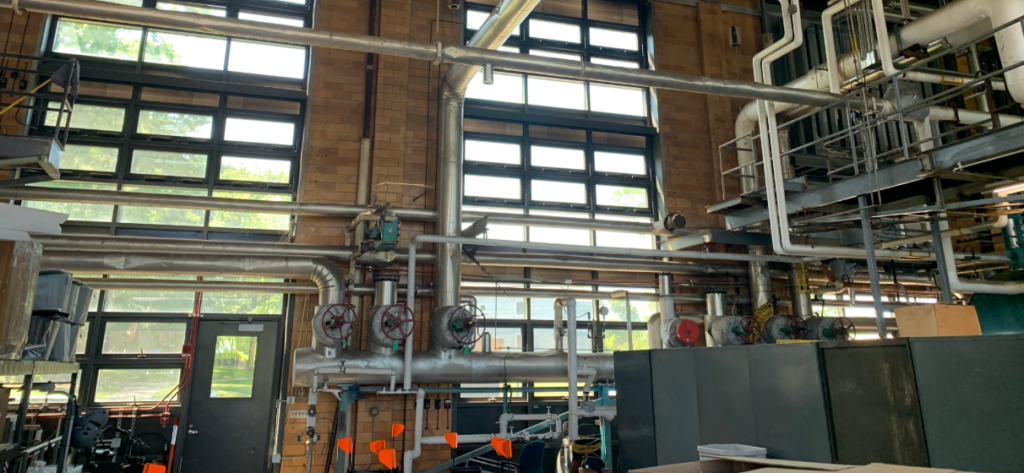
- Replacing the legacy steam network with a modern low temperature hot water system
- Deploying geothermal bore fields to tap renewable thermal energy for heating and cooling
- Phasing upgrades to boilers, chillers and building systems to minimize disruption
- Sequencing investments to align with budget cycles and the academic calendar
- Integrating resilience planning to prepare the campus for future climate impacts
This multi-stage transformation mirrors the kind of long-horizon, future-ready solutions that modernize systems and position clients for decades of change.
Co‑Creating the Decarbonization Playbook
Throughout the study, DCAMM and STV convened workshops, charrettes and collaborative design sessions that brought BSU’s facilities staff, administrators and other state partners together around shared goals. These sessions fostered active dialogue rather than one-way information sharing, creating space for iterative, creative exchanges that surfaced the day-to-day realities of campus life and influenced engineering decisions.
By the time the team arrived at the recommended path – geothermal-supported district energy, widespread efficiency improvements and a full transition away from fossil-fuel heating – the solution belonged to everyone.
“We stress tested ideas with the people who know these buildings best,” Camoscio said. “When you build a roadmap with that level of partnership, you end up with a plan that the community can move forward confidently.”
A Transformation That Goes Beyond Infrastructure
While emissions reduction is a core outcome, BSU’s decarbonization roadmap outlines a range of potential benefits the university could realize over time as projects are evaluated and implemented. These include:
- Improve comfort and indoor air quality for students, faculty and staff
- Reduce long-term operating and maintenance costs
- Strengthen campus resilience against extreme weather
- Modernize systems to support future growth
- Advance Massachusetts’ statewide climate goals
Just as importantly, it positions the university as a leader among regional public campuses – showing what’s possible when a mid-sized institution embraces a bold, long-term energy vision.
A Model for What Comes Next
Across the country, colleges and universities are wrestling with the same question BSU faced: how to transform energy systems built for a different time. As part of Second Nature’s Climate Leadership Network, nearly 400 colleges and universities have formally committed to climate action plans, and states are investing in campus decarbonization as a critical climate strategy – Massachusetts’ own $80 million program to decarbonize public campuses being a prime example.
As climate stakes rise, solutions that blend engineering innovation with community-centered planning – like this one – will become indispensable.
“Projects like this are about stewardship,” Camoscio said. “DCAMM and BSU are making intentional, forward-looking choices so future generations inherit a campus that’s cleaner, healthier and more resilient.”