Skip to content
STV
  • Our Work
    • MarketsThe infrastructure that powers our lives.
    • ServicesWe work harder so our solutions work better.
    • Infrastructure ReimaginedHow STV is shaping the future.
    • PortfolioProjects that are making communities better.
    • Infrastructure is economic development.

      Infrastructure is economic development.

      It helps create a better quality of life and more opportunities for communities.

  • About Us
    • How We WorkWe understand. We serve. We collaborate.
    • Where We Are60+ offices across North America.
    • What We BelieveMaking communities better with integrity, partnership and optimism.
    • How We Got HereGenerational impact for over a century.
    • We’re here to improve communities.

      We’re here to improve communities.

      Our sense of purpose drives us.

  • Careers
    • Why STVJoin us to create the future you want.
    • Life at STVWe are a team.
    • Job ListingsFind the right opportunity for you.
    • Forget the career ladder.

      Forget the career ladder.

      At STV, your career path grows around you.

  • Insights
    • Thought LeadershipFirst-person perspectives and reflections from our team.
    • Industry ExpertiseDeep dives for projects that makes communities better.
    • Project ExcellenceHow our work is shaping the trends moving the industry.
    • We have an eye on the future.

      We have an eye on the future.

      Learn what's next in the industry.

  • News & Events
    • NewsRead our timely news and latest stories.
    • EventsConnect with us at industry events in your community.
    • We're on the move.

      We're on the move.

      See what's happening at STV.

  • Contact Us

Perspectives

Continuity Throughout Crisis: Operational Insights for Emergency-Ready Infrastructure 

Published

April 29, 2026

Continuity Throughout Crisis: Operational Insights for Emergency-Ready Infrastructure 
Overhead drone view of houses

When extreme weather events occur, reliable transportation networks play a crucial role in supporting communities and sustaining economic activity. Roads, bridges and transit systems facilitate safe evacuation, the delivery of essential supplies and the restoration of everyday operations.  

Through our work with state and local agencies, STV has gained first-hand insight into the critical intersection of emergency management and resilience planning. Effective resilience planning must be grounded in real-world operations and informed by those who face risks firsthand. 

The Gap Between Planning and Action 

Too often, resilience plans describe vulnerabilities but fail to connect to capital planning cycles, funding timelines or emergency management needs. Changes in project priorities add to the challenge, while the need to prepare for disasters (hurricanes, flooding or wildfires) competes with long-term modernization and deferred maintenance.  

Effective resilience planning pairs current losses with future risks. By focusing on demonstrable impacts, including vulnerable populations, freight or other supply chain systems and municipal operations, agencies can make the case for investments that protect communities during extreme weather events. 

Operational buy-in is imperative. Plans should start by identifying the systems, processes, or infrastructure that fail first in a crisis. From there, agencies can develop flexible and adaptive solutions that solve for today and tomorrow. 

Integrating Emergency Management and Infrastructure 

We know resilience planning is most effective when it is closely integrated with emergency management. This approach reframes resilience from a back-end contingency to a front-line principle. 

  • Learning from emergency managers about operational vulnerabilities and immediate needs. 
  • Designing projects with built-in adaptability to support response efforts. 
  • Using operational data to inform long-term infrastructure priorities. 
  • Training personnel on identified vulnerabilities to reduce response time during crises. 

The focus is on doing, not just describing. Resilience investments should be measurable, defensible and directly tied to health, safety and operational outcomes. By incorporating lessons learned from boots-on-the-ground experience, agencies can anticipate challenges, coordinate resources and implement infrastructure improvements that work when needed most. 

Overhead drone view of houses

Thought Leader

Breanna Horne
Breanna HorneNational Director of ResilienceSend email
design emergency management Engineering infrastructure investment resilience Resilience Planning

Featured

Related News & Insights

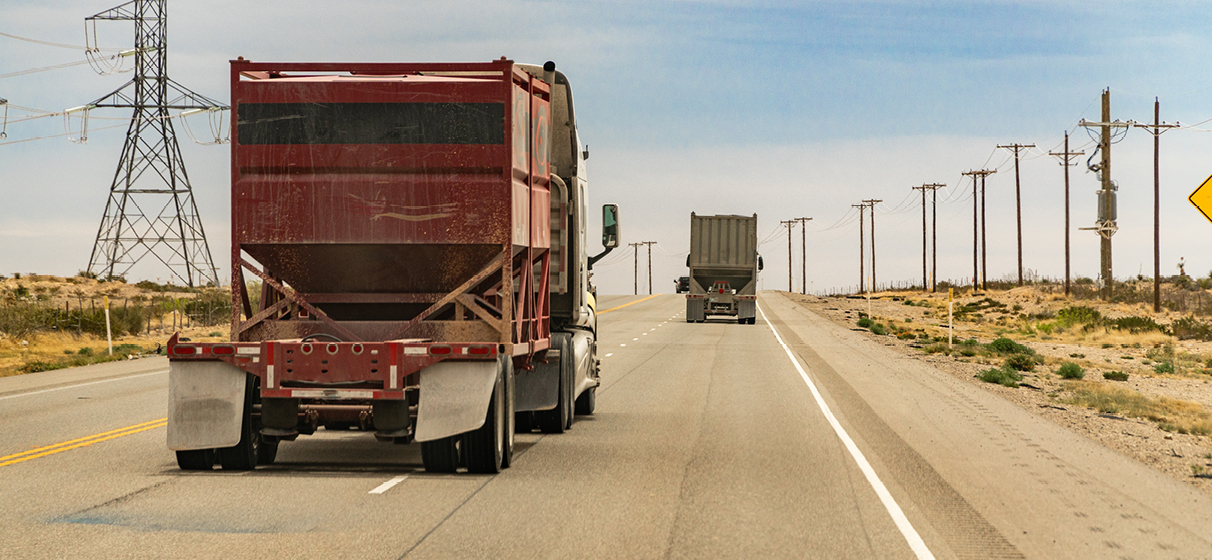
Trucks driving through the Permian Basin fracking area.

Future Focused

Managing the Unavoidable: A Military Engineering Tabletop for the Ports-to-Plains Corridor

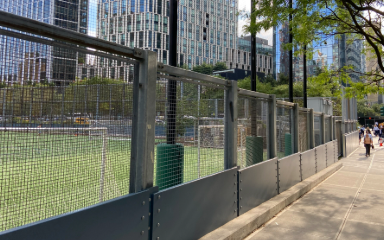
Battery Park baseball field with black fence

Roundtables

Unlocking Resilience Finance: Rethinking How We Fund Climate-Ready Infrastructure 

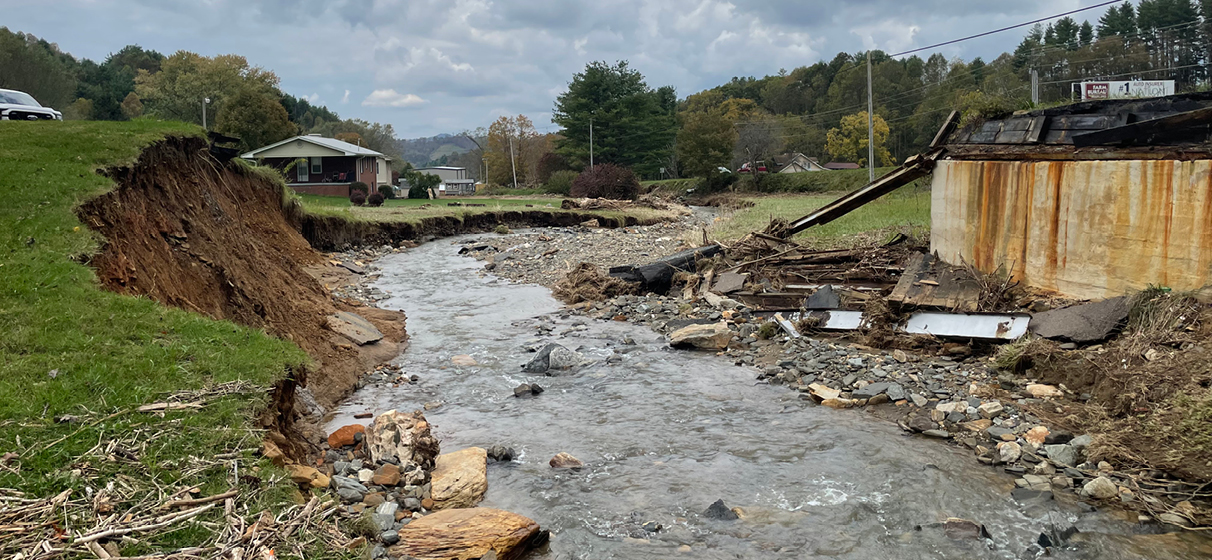
A section of Chimney Rock road in North Carolina that was flooded and severely damaged following Hurricane Helene.

Perspectives

From Disaster to Recovery: STV’s Ongoing Commitment to North Carolina’s Infrastructure Resilience

  • Privacy Policy
  • STV Logo
  • Sitemap
This field is for validation purposes and should be left unchanged.

Copyright 2026 © STV Incorporated. All rights reserved.