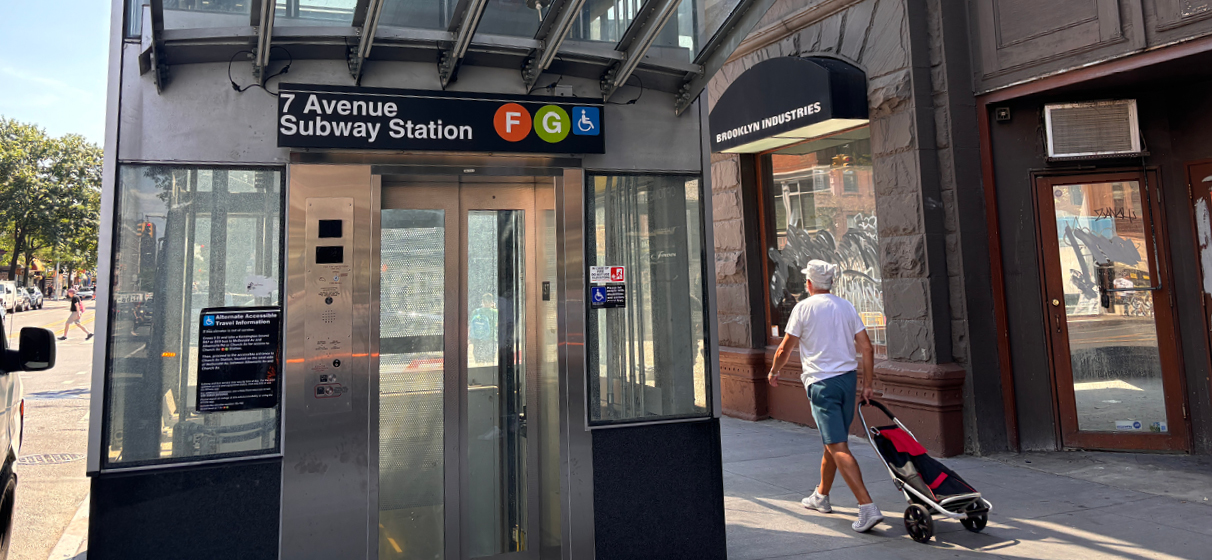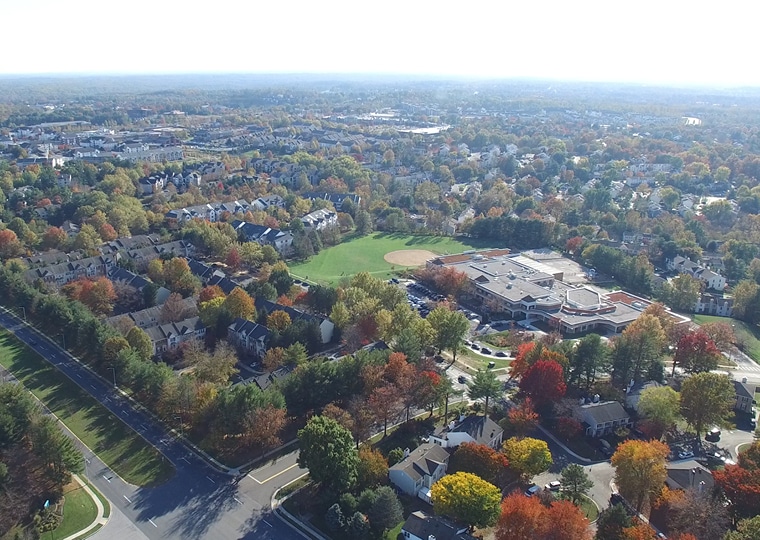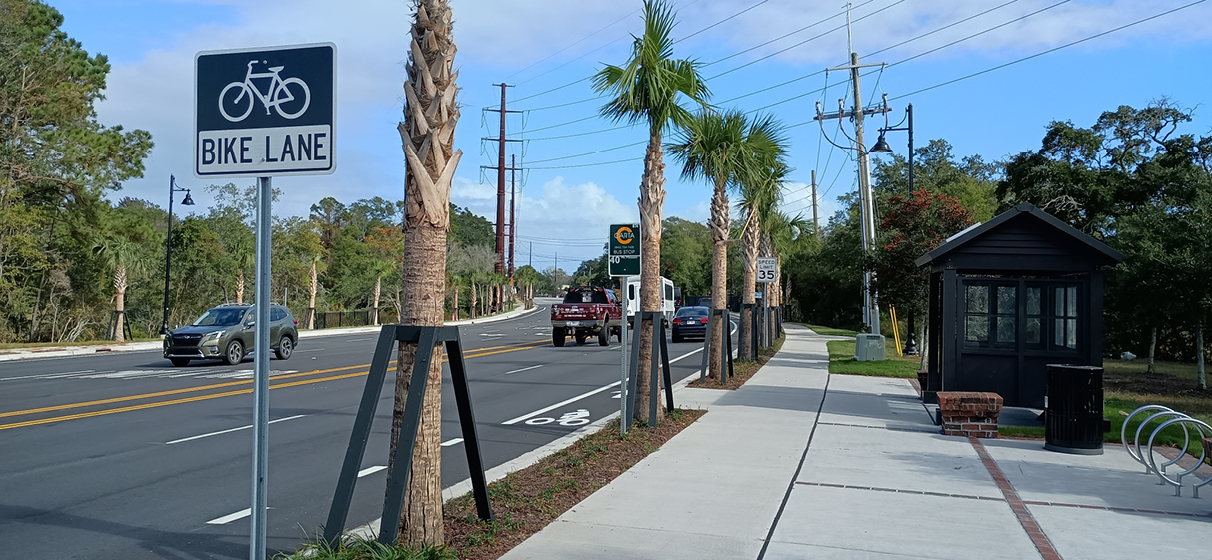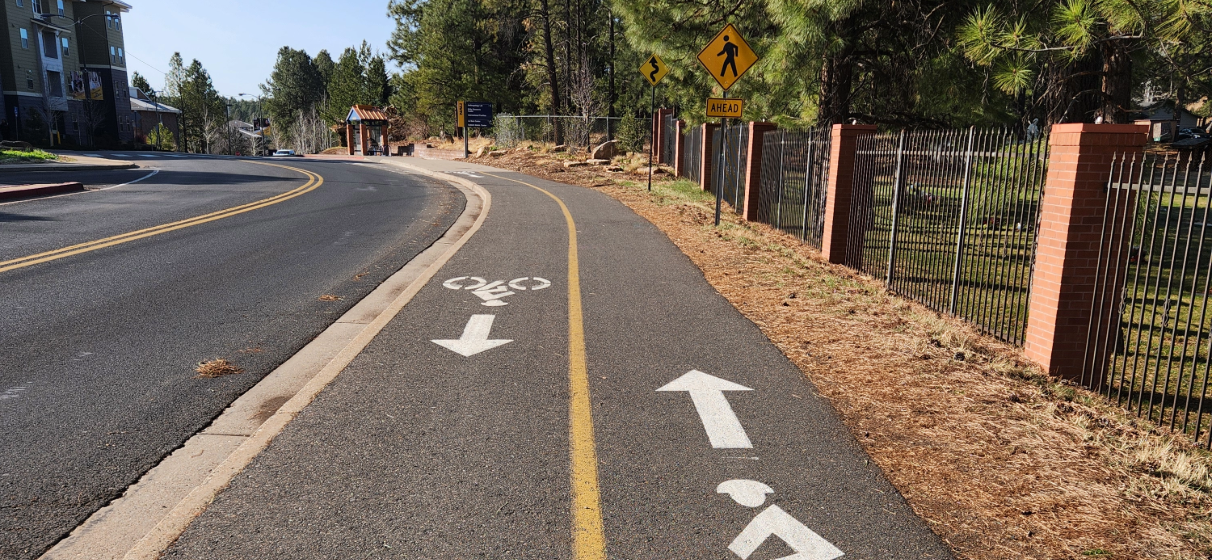
Cities across the U.S. are rethinking how their roadways, public spaces, transit systems and micromobility networks can work together as a single, people-centered ecosystem. At STV, our team has spent years studying and helping shape this shift – and one message has become clear: accessibility and active transportation are not secondary features. They are core infrastructure that unlock safety, mobility, economic vitality and stronger communities.
In places like Austin, the value of an intentional, all-ages-and-abilities network becomes immediately visible. Infrastructure such as boardwalks, separated trails, protected bike lanes and accessible sidewalks doesn’t just provide a way to get from point A to point B — it changes how people experience their city. These systems encourage healthier lifestyles, provide alternatives to driving a car and create opportunities to connect with neighbors and local businesses in ways that the traditional transportation system cannot.
Our work across the country has reinforced this understanding. Through professional experience, advisory committee roles and engagement with community members of all abilities, we’ve seen how small barriers – uneven pavement, overly wide intersections, short signal phases – can significantly impact mobility for school-attending children who could walk in lieu of parent drop-off, and people using wheelchairs, crutches or other mobility aids. Designing with accessibility in mind isn’t just good practice; it is essential to ensuring that everyone can navigate their community safely with confidence and dignity.
From “Why Now?” to “How Soon?”
One of the most common questions we hear is how to justify multimodal investments when public infrastructure funding is already stretched thin. The reality is that accessible, active transportation networks generate returns far beyond mobility alone.
Walkable and bike-friendly streets support local businesses, reduce congestion, improve safety and promote public health. The transformation of Olde Town Arvada, Colorado – where temporary pandemic street closures evolved into a lasting, pedestrian-focused district – demonstrates how intentional design can energize a community. By treating those initial changes as a pilot, the city, with support from its Transportation Citizen Advisory Committee, created a vibrant destination that integrates transit access, parking, micromobility and a thriving mix of shops and restaurants.
These outcomes show that accessibility is not just a design choice; it’s a long-term economic development strategy.
Designing With Empathy and Experience
A principle we emphasize in every conversation is that effective mobility design requires stepping into the user’s experience. Riding newly built bike infrastructure, navigating a corridor with mobility aids or observing streets at different times of day often reveals opportunities – and challenges – that standards alone may not capture.
STV’s collaborative approach – which incorporates insights from planners, engineers, economists, accessibility specialists, sustainability experts and more – helps break down traditional silos. Communities don’t experience mobility as isolated modes or standalone projects, and neither should the teams designing them.
Start Small, Think Big
For cities just beginning their journey toward more accessible, multimodal networks, the most important step is to build connections, not isolated improvements. Even legacy industrial corridors can evolve into the backbone of a modern mobility system when agencies coordinate early and plan with people, not just vehicles, in mind.
At its core, this work is about culture as much as construction. When streets provide a place for everyone – pedestrians, cyclists, transit riders, drivers and people of all abilities – communities become safer, more vibrant, and more economically resilient. As we’ve seen again and again, when everyone has a piece of the road, there can truly be peace on the road.