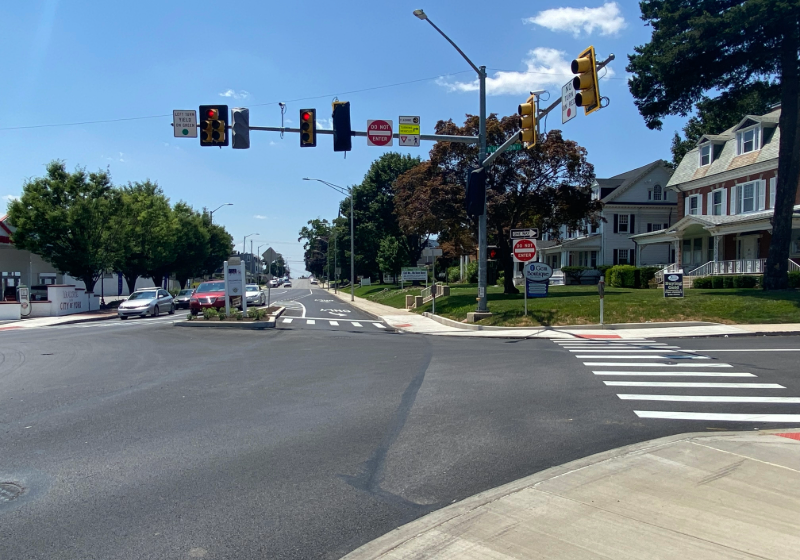
At a busy gateway linking York City and Spring Garden Township in Pennsylvania, a crucial intersection was in need of modernization. The East Market Street/Harrison Street intersection had long been a source of safety concerns – its opposing one-way and two-way traffic lanes created confusion for drivers and pedestrians alike, resulting in elevated crash rates and accessibility challenges.
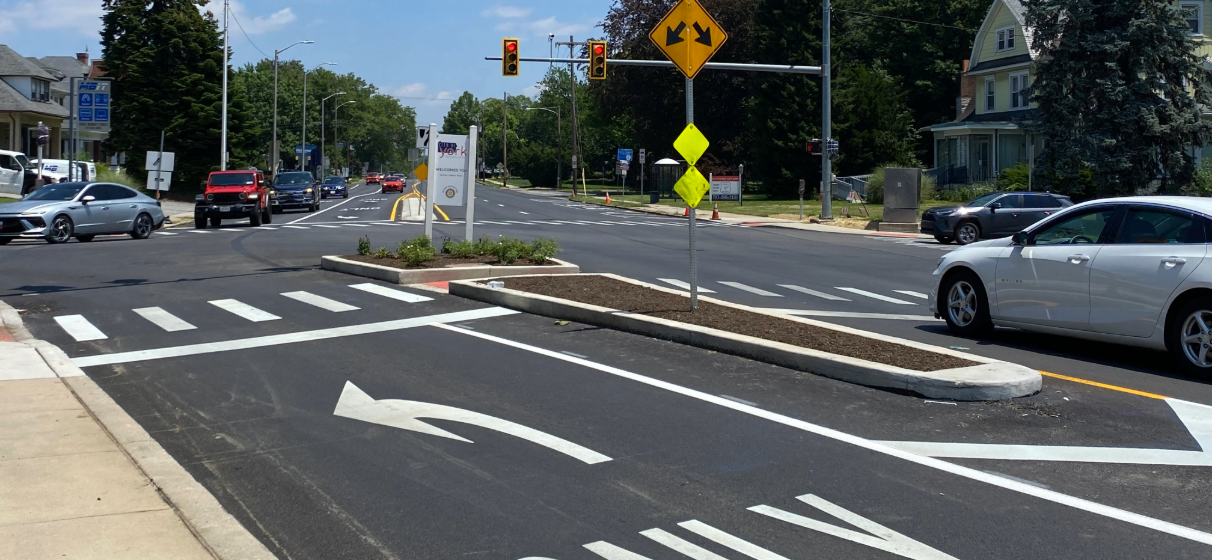
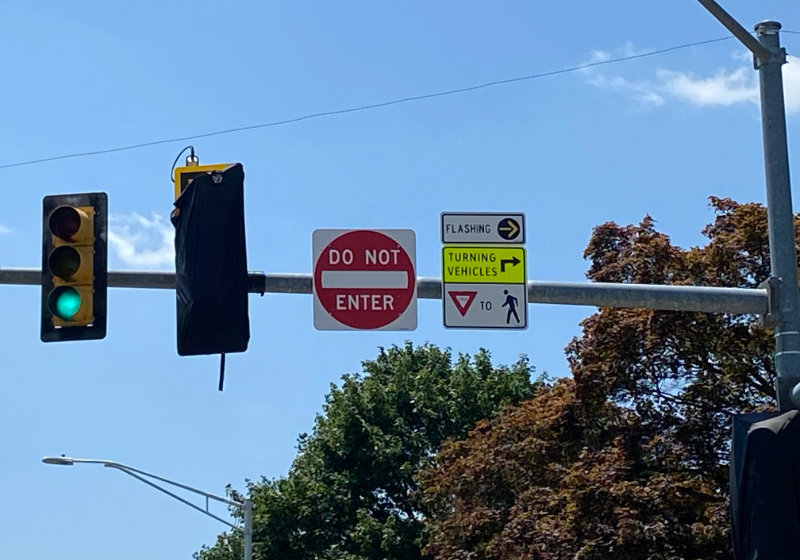
Through an open-end agreement with the Pennsylvania Department of Transportation (PennDOT) District 8-0, STV was selected to advance the intersection from concept to final design. The project introduced innovative traffic signal operations, updated lane configurations and pedestrian safety upgrades, including new ADA-compliant curb ramps, crosswalks and sidewalks. Among the improvements was one of the first right-turn flashing yellow arrow installations in the Commonwealth – an innovation that enhances driver awareness and pedestrian safety.
While this project may not be massive in scale, its impact on mobility, safety and community connectivity is profound. In this conversation, Barbara Hoehne, STV’s project manager and senior principal/engineering director, discusses how even community-scale projects can showcase technical excellence, collaboration and innovation that make a lasting difference.
1. What were the main challenges the East Market Street/Harrison Street intersection faced before the upgrade?
The intersection was unusual in that it linked a one-way eastbound segment of East Market Street with a two-way section in the westbound direction. This misalignment caused confusion for westbound drivers approaching the intersection and created conflict points with turning movements and pedestrian crossings. The intersection saw higher-than-average crash rates. So, safety and clarity for both motorists and pedestrians were our top priorities.
2. How did STV’s design approach address those safety concerns?
We started with a deep dive into crash data and traffic modeling using Synchro and SimTraffic to understand how vehicles and pedestrians interacted at the intersection. From there, our team worked closely with PennDOT District 8-0 to develop an innovative solution that included a right-turn-only flashing yellow arrow signal for the westbound traffic – only the third of its kind in Pennsylvania. This signal provides clear visual guidance to the westbound motorists and pedestrians. Additionally, a custom designed right-turn sign requiring vehicles to yield to pedestrians aids in maintaining efficient traffic flow.
We also reconfigured turning lanes, updated signal phasing to protected-only movements and added a concrete median to better align traffic approaching from both directions. These refinements collectively improved safety and operations without expanding the intersection footprint.
3. This project also placed a strong emphasis on accessibility and community character. How did the team balance those priorities?
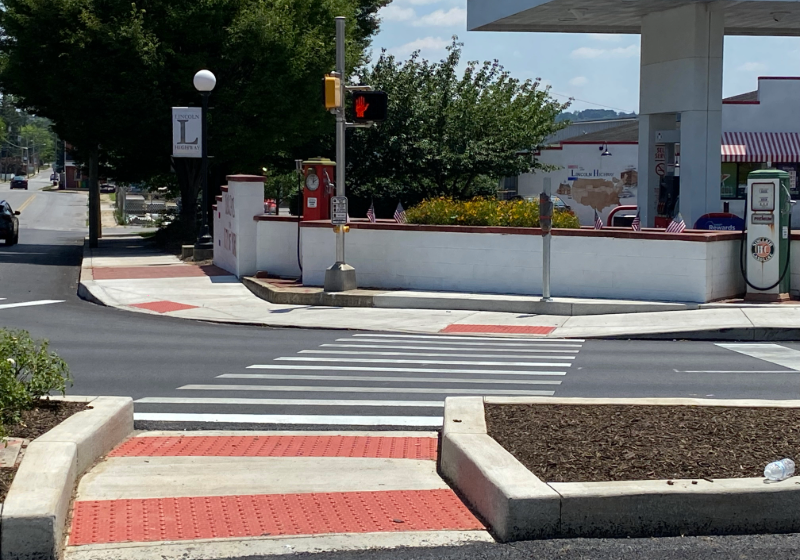
Accessibility is a core part of what makes a project successful. We upgraded 14 ADA curb ramps, replaced deteriorated sidewalks and installed crosswalks at all four legs of the intersection to create a safer and more inclusive environment.
At the same time, we worked closely with the City of York and Spring Garden Township to maintain neighborhood identity. We preserved signature gateway features like the “Welcome to York” sign and historic gas pump displays, ensuring the upgrades respected the local character while modernizing the infrastructure.
4. Collaboration was a big part of this project’s success. How did STV’s partnerships shape the outcome?
It really was a team effort. We collaborated closely with PennDOT District 8-0 and coordinated with multiple local agencies and community stakeholders. That included Rabbit Transit, whose nearby bus stop and shelter were enhanced with new pavement markings, and even the York Road Runners Club, whose race routes cross the intersection. By engaging them early, we were able to keep community events running smoothly throughout the construction period.
Projects like this remind us that even modest-sized improvements require strong teamwork and trust between the client, the community, and the design team.
5. What’s your biggest takeaway from this project about the role of smaller-scale improvements in community safety?
Smaller-scale projects like this one often have an outsized impact. They may not make headlines for their size, but their importance is felt every day by the people who live and work nearby. When we focus on technical excellence and collaboration – no matter the project’s scale – we’re making communities safer, more accessible, and more connected.