Across the water sector, providers are facing a dual challenge: aging infrastructure and rising expectations for service reliability amidst increased needs. The American Society of Civil Engineers’ U.S. Infrastructure Report Card estimated that a water main breaks every two minutes somewhere in the United States, resulting in six billion gallons of treated water lost each day.
Maintenance for mechanical assets that are essential to moving water through treatment and distribution systems is sometimes addressed reactively, after failure has already occurred, or on firm schedules that don’t account for shifts in operating conditions.
At STV, our digital team is exploring how advanced analytics and machine learning can help shift this paradigm. In a recent study, we developed a predictive maintenance framework using real-time sensor data from water pumps, demonstrating how utilities can better anticipate failure, extend asset life and reduce operating costs.
Turning Sensor Data into Actionable Insights
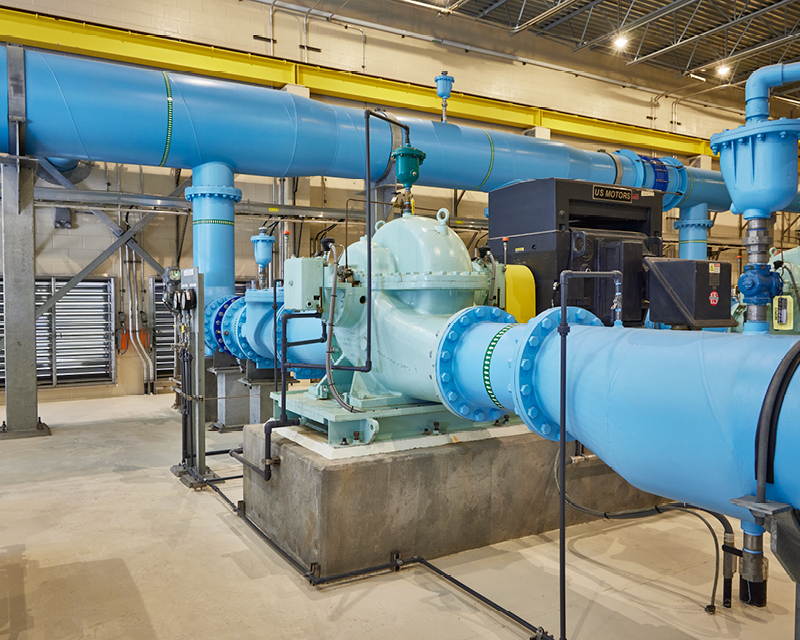
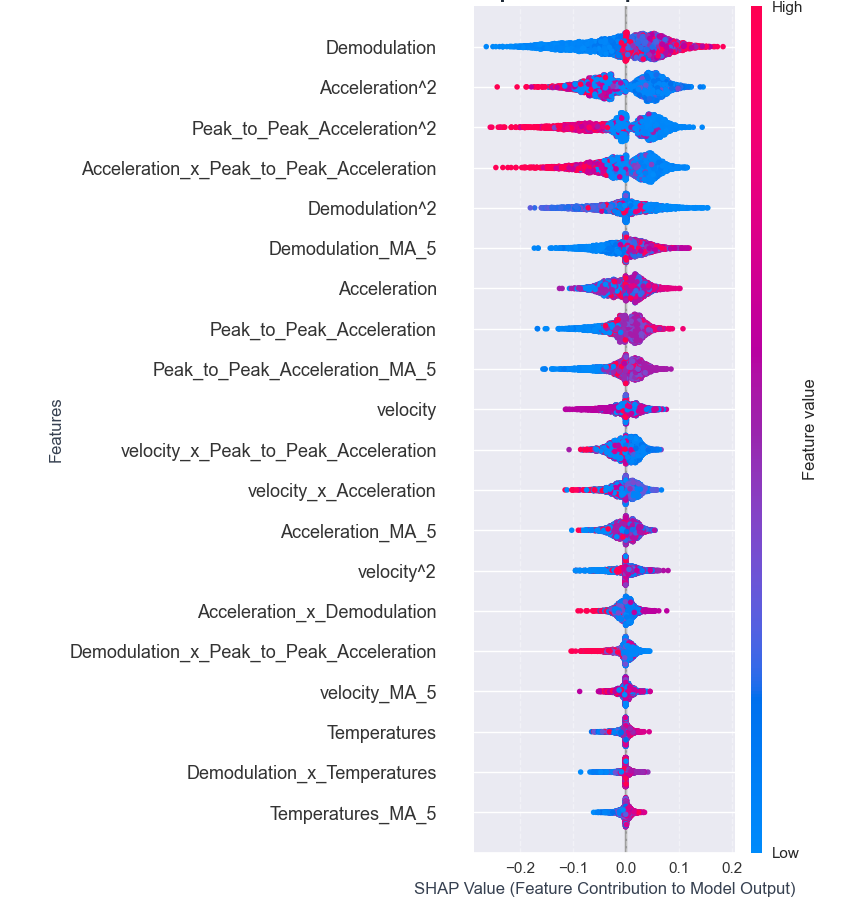
The study focused on centrifugal pumps equipped with vibration and temperature sensors. Five core parameters (acceleration, velocity, demodulation, peak-to-peak acceleration and temperature) were continuously monitored for meaningful data patterns. From there, we benchmarked a wide range of machine learning classifiers.
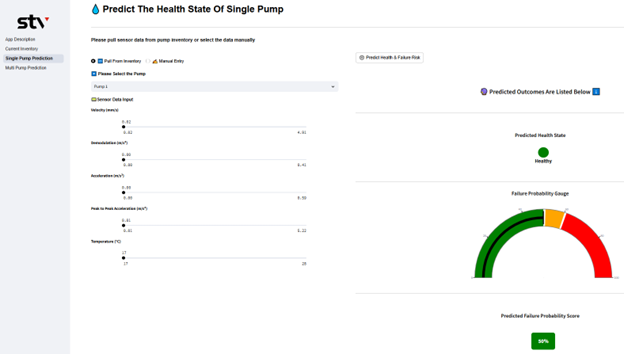
To bridge the gap between data science and field operations, this model can be integrated into a user-friendly dashboard, so utility operators can monitor individual pumps or an entire fleet, run health-state predictions in real time and prioritize maintenance based on failure probability. By translating complex analytics into intuitive visuals, the tool empowers operators to act proactively rather than reactively.
Embedding Predictive Maintenance into Digital Advisory
The predictive maintenance model STV developed for water pumps is only the beginning. As utilities expand their use of Internet of Things (IoT) devices and SCADA systems, opportunities to integrate real-time analytics into daily operations will continue to grow.
Future enhancements such as adaptive learning models and digital twins can make these systems even more resilient, responsive, and cost-effective.
Looking Ahead
The value of AI and analytics is not only evidenced by the model alone, but in how seamlessly it connects to decision-making.
Our teams combine deep domain expertise in infrastructure systems with advanced capabilities in data engineering, software development and digital integration. We go beyond building models and operationalize these insights and turn them into real-world actions that improve reliability, efficiency and lasting strategies for our clients.
By embedding intelligence directly into infrastructure, we enable owners to move from reactive maintenance to predictive management: ultimately delivering safer, more reliable and more sustainable services to our communities.