As Pennsylvania’s infrastructure programs scale in size and complexity, STV’s teams in Pittsburgh and Harrisburg are focused on building the local depth needed to deliver: expanding technical capability, strengthening continuity with clients and creating clearer, long-term paths for employees to grow in the markets they serve.
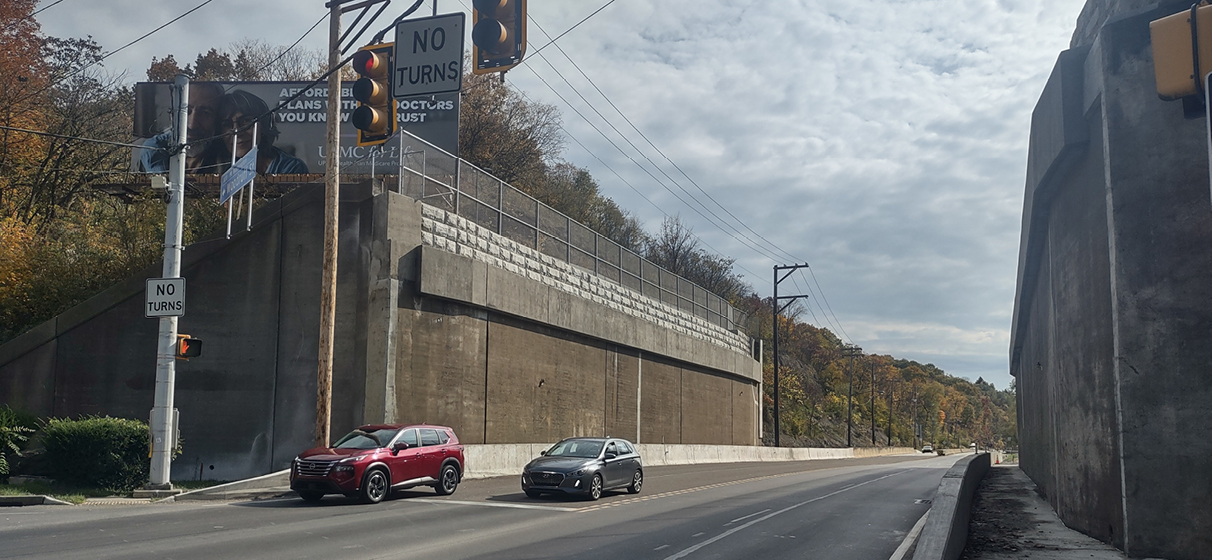
That approach is unfolding within Pennsylvania’s current 12-Year Transportation Program, which is guiding transportation investments through 2036 and anticipates $88 billion across roads, bridges, transit, airports, rail, freight and active transportation. As programs expand, they require teams that can stay engaged over time—carrying knowledge from planning through delivery – while creating new opportunities for planners, designers and project delivery experts across the Commonwealth.
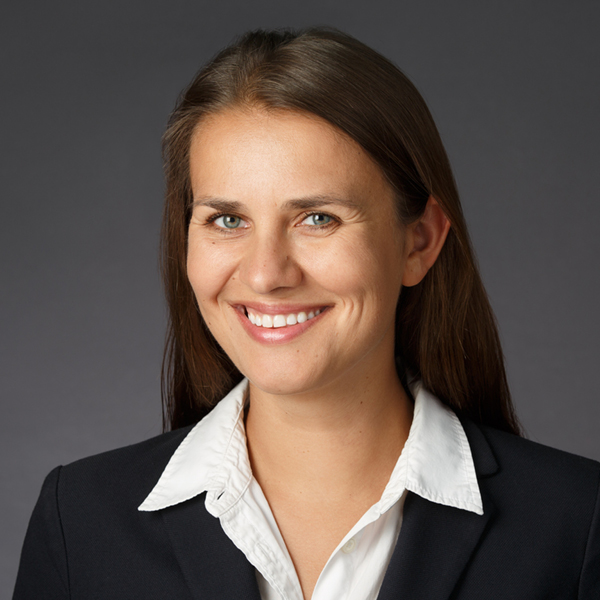
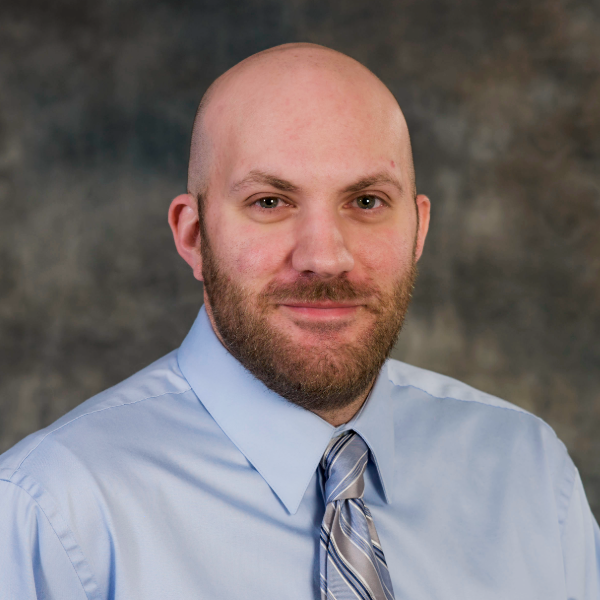
In this roundtable, Mariya “Masha” Rowley, area manager for STV in Pittsburgh, and Jason Galli, area manager in Harrisburg, discuss what is creating momentum in their markets, how they are building for the future and what helps people grow their careers locally.
What is driving momentum for STV to support Pennsylvania’s growth?
Jason Galli: The momentum I see is tied to continuity. Agencies are looking for teams that understand their standards, know the local permitting and stakeholder environment and can stay engaged as needs move from one assignment to the next. That creates opportunities to grow in a measured way – where relationships, technical knowledge and delivery experience build on each other over time. As programs expand, clients are looking for partners who can stay engaged across multiple assignments, not reset with each one. That means growth has to be intentional: building teams that can carry knowledge forward, communicate clearly and support decisions across the life of a program.
How are client expectations shaping the way you build your teams?
Masha Rowley: Client responsiveness depends on having experienced people close to the work. For our team, that means continuing to strengthen relationships, technical judgment and market knowledge so clients have direct access to decision-makers and younger staff have consistent mentorship. As we grow, the challenge is doing that without stretching people too thin, especially as projects become larger and more complex. The goal is to build depth, not just capacity – so clients have consistent support and our teams have the experience to step into more visible roles over time.
Jason Galli: Client expectations are shaping how we think beyond any single assignment. The work requires consistency, follow-through and an understanding of how decisions carry across programs. That affects the way we staff, develop people and bring emerging leaders into conversations earlier, so they understand how decisions made on one assignment affect delivery across an entire program. When clients know the broader team – not just one or two individuals – it creates more confidence and gives our people more opportunities to grow.
Where are you building your teams to accommodate future growth?
Jason Galli: We are building around the full life cycle of infrastructure work – from planning and design to project delivery and construction and even through long-term asset management and performance. That kind of growth requires people who are comfortable working with owners over time and understand how early decisions affect delivery, operations and long-term performance, particularly as we support multi-phase programs where those decisions carry through the entire lifecycle.
Masha Rowley: My focus is on broadening the local bench so the office can take on more work while maintaining quality and responsiveness. Sustainable growth means developing people internally, attracting experienced professionals and making sure the team can expand without losing the consistency clients rely on. It also means being thoughtful about how people are supported, especially as they take on more visible roles with clients and colleagues.
What helps the team see long-term growth opportunities here?
Jason Galli: What seems to resonate with people is the day-to-day experience. Recent hires have pointed to the supportive culture, leadership development opportunities and office events as meaningful factors in their decision to join. When people say they had early access to leaders or were trusted with responsibility sooner than expected, that matters because it shapes how quickly they can grow. Hybrid work, benefits and support around milestones such as passing the PE also help people see how the job can fit into their lives and long-term goals. Those details show candidates what growth looks like in practical terms, not just in a job description.
Masha Rowley: Local relationships matter. It is a connected professional community, so conferences, technical organizations and personal networks all play a role in reaching people. Candidates want to understand not only what they will work on, but who they will learn from, how they can contribute early and where they fit as the team grows. That is where the story becomes personal: people want to understand the work, but they also want to understand where they fit.
Looking ahead, what kind of growth do you want to be known for?
Masha Rowley: It’s the opportunity to both contribute to complex, high-profile work and help build something local. That was part of what initially attracted me to join STV – working on a major project like the I-95 Betsy Ross Interchange while also helping grow our presence here. That mix of scale and ownership is what made the opportunity feel different – being part of major programs while also shaping how a local team grows. For candidates, it can be compelling because it offers meaningful work, visible responsibility and room to help shape what comes next. Growth is not just about adding more people; it is about creating an environment where people can see how their work contributes to broader programs and develop with the team over time.
Jason Galli: Stability. I want people to associate our team with reliability, consistency and support – for clients and for one another – as the region’s needs continue to evolve and our team continues to grow. What I value is seeing a team become more confident because people trust one another and understand how to support the work across multiple assignments. That kind of growth may not always be the loudest, but it’s what builds long-term confidence with clients and within the team.