Across Texas, utilities are moving forward with critical investments to expand treatment capacity, develop new water supplies and keep pace with growth and drought. But the challenge is not just defining what to build – it is aligning capital strategy with the realities of infrastructure delivery. Without that alignment, even well-planned projects can stall, sequence inefficiently or face unnecessary risk.
STV works with utilities to structure, align and sequence funding strategies alongside delivery – linking capital decisions directly to project timing, risk and execution. Our team has helped Texas utilities collectively secure more than $1.14 billion in funding and, just as importantly, align that funding with real-world delivery and compliance. That includes wastewater treatment expansions in fast-growing communities like Pflugerville, regional groundwater supply systems through the Alliance Regional Water Authority and critical system upgrades for smaller, rural utilities.
The result is secured funding, with capital programs positioned to move forward with greater certainty, flexibility and scale.
A Market Defined by Demand and Scale
The pressure on Texas utilities is coming from multiple directions. Water demand is increasing while supply is expected to decline in many parts of the state, with some regions already facing shortages without specifically identified new sources and infrastructure investment.
The scale of need is hard to ignore. The latest State Water Plan estimates roughly $174 billion in water infrastructure investment over the coming decades. Texas has begun to respond with increased funding, including the creation of the Texas Water Fund and new legislation that could dedicate up to $1 billion annually to water infrastructure for 20 years.
The work itself is also changing. Utilities are still replacing aging infrastructure and addressing regulatory requirements, but they are also investing in new types of systems tied to long-term water supply, including potable reuse, desalination, aquifer storage and recovery and large-scale conservation.
These projects are larger, capital-intensive and more complex to sequence. They typically unfold over multiple years and require sustained coordination across technical, regulatory, financial and procurement teams.
State funding priorities are starting to reflect this shift, with more emphasis on projects that create new water supply and improve long-term system resilience.
From Project Funding to Program-Level Strategy
For a long time, funding was approached one project at a time. A project reached a certain level of readiness, a funding application followed and the process moved forward from there.
That approach still works in some cases, but it is increasingly difficult to rely on it completely, especially with programs like the State Revolving Funds, which are essential but also oversubscribed. At the same time, federal programs such as the EPA’s Water Infrastructure and Finance Act (WIFIA) are unlocking new funding mechanisms for utilities.
Instead of tying financing to a single project, WIFIA allows utilities to secure funding at the program level and draw on it over time. That flexibility allows utilities to move projects forward as they are ready, better align funding with construction sequencing and adjust priorities within multi-year capital programs.
At its core, WIFIA offers:
- Low-interest, long-term financing
- Broad eligibility across water, wastewater, reuse and stormwater
- The ability to bundle multiple projects into a single agreement
- Flexible drawdown tied to when projects actually move forward
The process of applying for WIFIA funds can require coordination across engineering, financial planning and regulatory considerations, along with ongoing communication with federal agencies once funding is secured. Many utilities, especially in smaller communities, may not have the staff or dedicated resources for this process.
This is where STV helps utilities evaluate, structure and integrate funding strategies with delivery – ensuring that financing decisions reflect how projects will be phased, procured and constructed in practice.
What This Looks Like in Practice: Examples from Across Texas
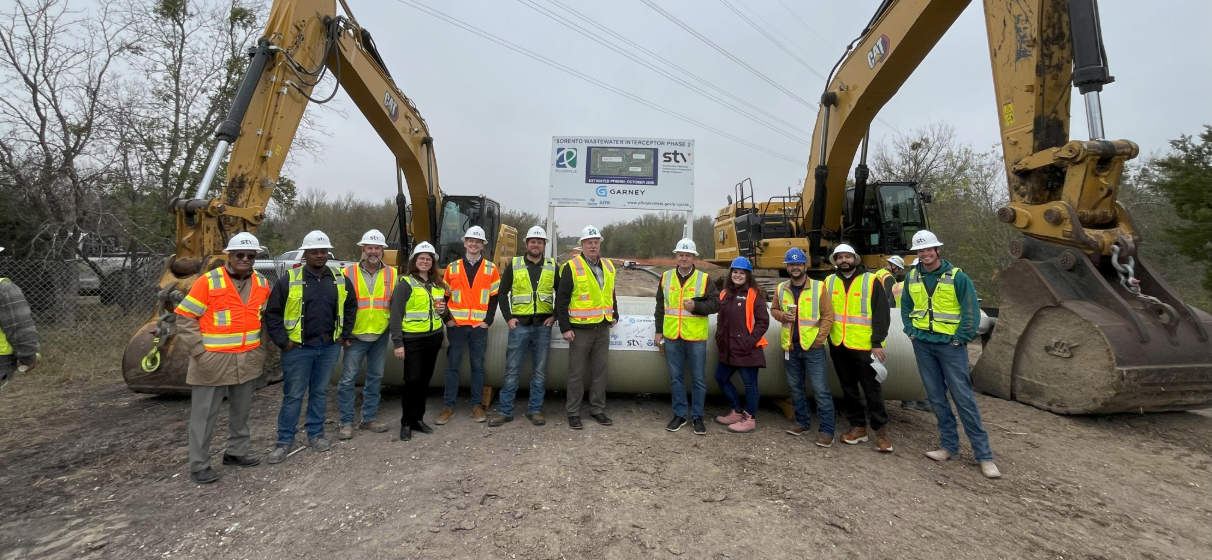
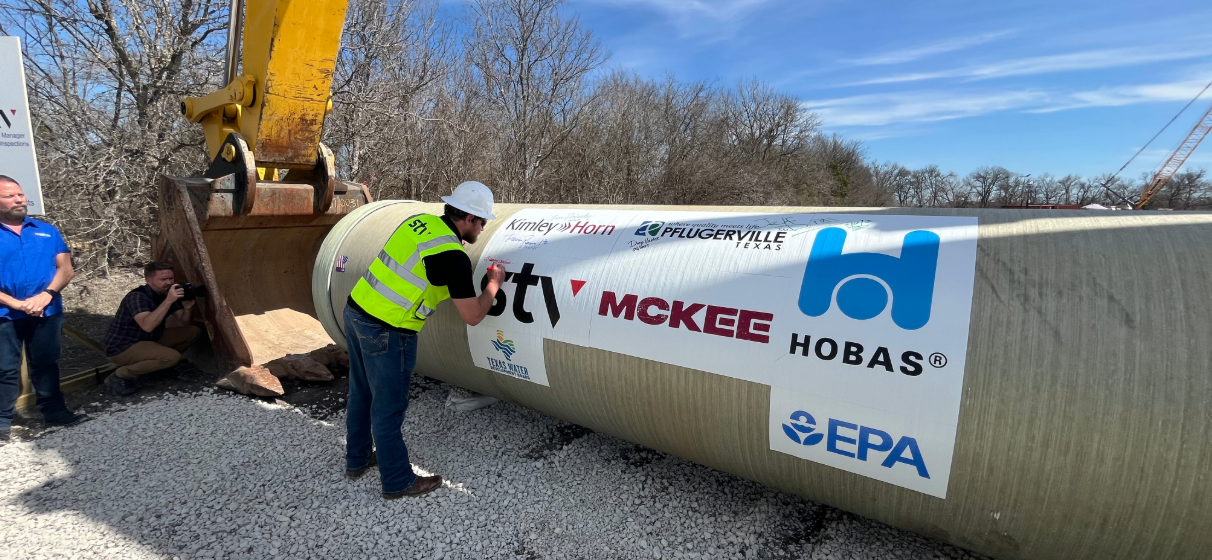
The City of Pflugerville offers one of the clearest examples of how a coordinated, program-level funding strategy can support rapid growth while maintaining delivery alignment. STV helped the city secure over$550 million in combined funding into a single, coordinated strategy, including:
- $156.6 million and $176.3 million through WIFIA ($438M Master Agreement open through 2029)
- $165.6 million through the Texas Clean Water State Revolving Fund
- $52 million through the Texas Drinking Water State Revolving Fund
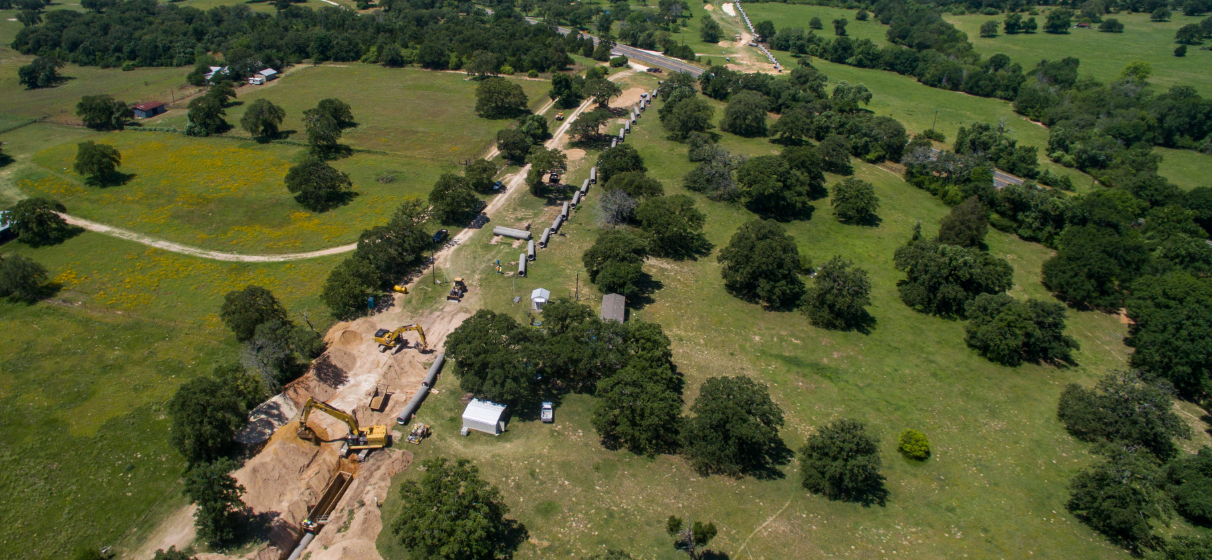
That funding is supporting a major capital program that includes wastewater treatment expansion, large-diameter interceptor pipelines, raw water supply improvements and water treatment upgrades. The city’s wastewater program alone represents roughly $500 million in planned improvements, positioning Pflugerville to meet long-term growth while improving system resilience and reliability.
What made this approach effective was not just the amount of funding; it was how the funding strategy was structured in alignment with the city’s delivery priorities. With WIFIA funds in place, the city wasn’t limited to funding one project at a time. Instead, it could draw on funding as projects progressed. Developing an overall funding program requires coordination across city engineering and finance teams to ensure that project needs and budget impacts are taken into account alongside real-world delivery schedules; that level of flexibility is what makes program-level funding models such as this one so powerful.
Similarly, the Alliance Regional Water Authority secured key funding through the State Water Implementation Fund for Texas (SWIFT) program to advance a regional water supply system that will deliver groundwater to multiple communities. The program includes wellfield development, transmission pipelines, treatment capacity and regional delivery infrastructure, supporting long-term water supply diversification at scale. It is also a good example of how developing a funding program with coordination across engineering and finance teams can help best align project needs, budget impacts and delivery schedules.
For smaller and mid-sized systems, the impact is just as meaningful: For example, STV assisted the Bistone Municipal Water Supply District in securing $29.4 million through the Drinking Water State Revolving Fund to advance critical system improvements, including replacement of aging transmission lines, pressure system upgrades and overall system reliability improvements. Similarly, STV worked with the Wellborn Special Utility District in leveraging $43.5 million through the state’s DFUND program to support water supply and distribution improvements, including transmission infrastructure and system expansion to support continued growth.
Taken together, these examples highlight a broader shift: utilities are no longer treating funding as a series of discrete opportunities, but as a coordinated strategy tied directly to how infrastructure programs are delivered over time. That strategy also requires continual monitoring of grant and loan opportunities as they emerge, such as the Water Supply and Infrastructure Grant Program currently open through the Texas Water Development Board, so utilities are positioned to act quickly when new funding becomes available.
Where Funding Strategy Meets Delivery
Securing funding is an important milestone, but it does not determine whether a project is successfully delivered. Successful delivery depends on alignment between funding requirements, project phasing and implementation strategy. Each funding source introduces its own requirements, from environmental reviews to procurement, reporting and reimbursement timing. When multiple programs are layered together, those requirements can affect schedule, cost and risk if they are not managed carefully.
By integrating funding strategy with project planning and delivery expertise, STV helps utilities connect financing decisions to sequencing, procurement and execution while using available programs in ways that are best for their ratepayers.
For example, when TWDB and WIFIA funds are both part of a capital program, draw timing can become an important strategic lever: TWDB interest payments begin right away, while WIFIA can deliver greater cost savings the longer a utility waits to draw funds. Strategically coordinating reimbursements across funding sources can therefore help utilities reduce risk, improve predictability and preserve flexibility across complex capital programs. This becomes especially important for complex programs like potable reuse and regional supply systems, where technical and funding considerations must align.
Moving Infrastructure Forward in a Capacity-Constrained Environment
Even with increased investment, funding capacity remains limited relative to the need. Not every qualified project will receive funding in each cycle, while population growth and drought conditions continue to increase urgency across the state.
Without a coordinated approach, utilities risk delays, cost escalation and missed opportunities. With the right strategy, funding becomes a tool to accelerate delivery and bring greater certainty to capital programs. What is happening in Texas reflects a broader shift across the industry: funding is no longer separate from engineering and construction; it is a core component of how infrastructure programs are planned and delivered.
When funding is treated as a strategic lever and integrated with delivery, it changes what is possible. It enables utilities to make more informed decisions, move programs forward with greater confidence and ultimately deliver the infrastructure their communities depend on, at the scale and pace required for success.