California’s mandate to transition public transit fleets to zero-emission vehicles has reshaped how agencies plan, fund and operate bus systems – but moving from policy to dependable daily service is rarely linear.
For North County Transit District, operating as North County Transit – San Diego Railroad (NCTD), which serves a geographically expansive and operationally diverse area of North San Diego County, meeting the state’s Innovative Clean Transit (ICT) regulation meant rethinking not just vehicles, but how zero-emission technology would function within existing service patterns, including facilities, workforce training, safety protocols and long-term strategy.
Through a multi-year partnership, STV helped NCTD prepare for that transition – focusing on operational readiness as much as regulatory compliance and transforming a mandate into a cleaner, scalable transit program designed for real-world operations. Early planning centered on systemwide performance, not isolated facilities: how much energy is expended, how far buses travel, how long they sit between runs, where charging or fueling can realistically occur and how infrastructure must evolve in phases to support an eventual 100% zero-emission fleet.
Why One‑Size‑Fits‑All Electrification Doesn’t Work for Regional Transit
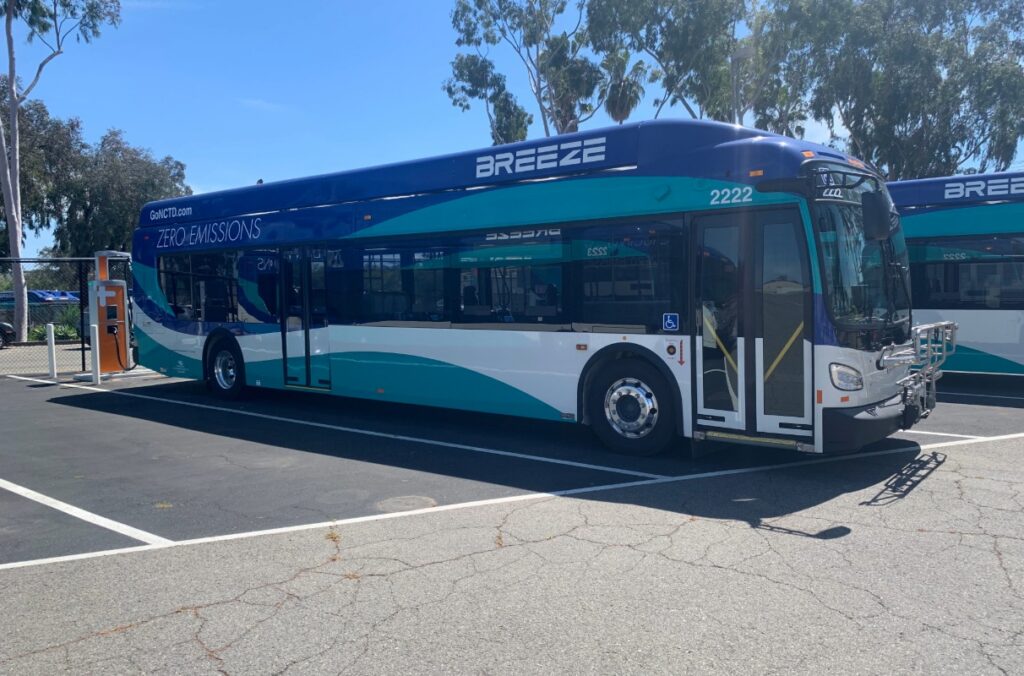
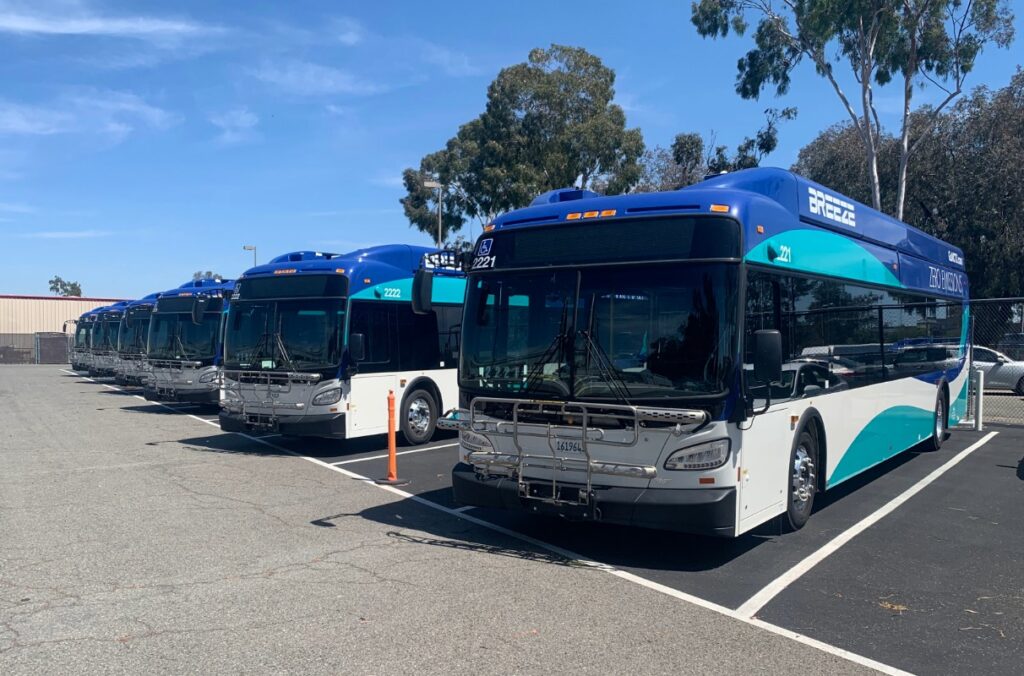
Critically, STV helped NCTD avoid a one-size-fits-all approach. Rather than betting entirely on a single propulsion technology, the program adopted a dual-track strategy, deploying battery electric buses (BEBs) where routes and charging windows allowed, and hydrogen fuel cell electric buses (FCEBs) where extended range and operational flexibility were essential.
That technology-neutral mindset reflects a broader trend playing out across the transit industry: agencies are moving past early demonstrations and toward deployment strategies grounded in how service actually operates. For NCTD, that meant introducing BEBs at the BREEZE Operations Facility – East Division in Escondido and FCEBs at the BREEZE Operations Facility in Oceanside, where hydrogen fueling could support longer, more demanding service.
Keeping the Program Moving When Infrastructure Timelines Shifted
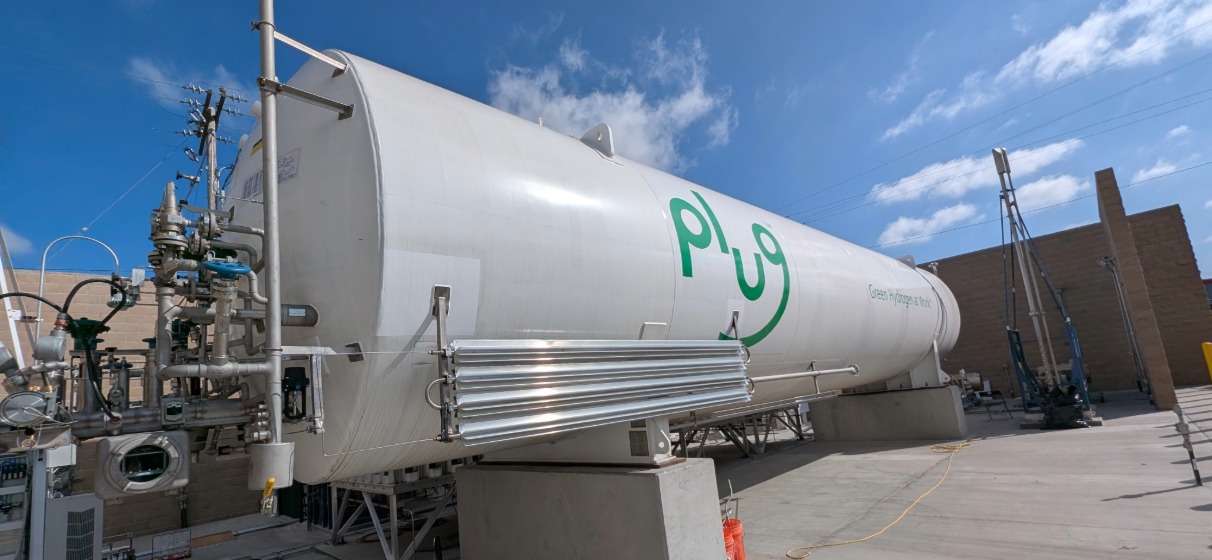
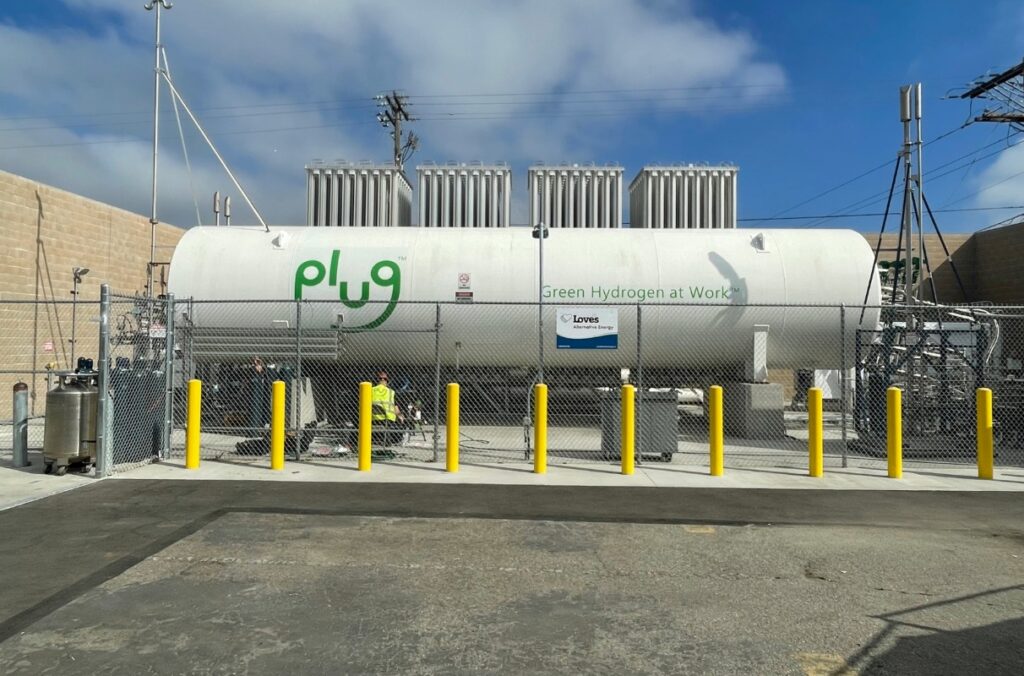
One of the defining moments of NCTD’s zero-emission transition came when infrastructure timelines and operational urgency collided. When faced with potential delays to fuel cell bus deployment, STV helped NCTD implement a temporary mobile hydrogen fueling solution, allowing buses to be fueled safely and consistently while permanent infrastructure was completed.
For STV Vice President and Project Manager Mark Peterson, the challenge wasn’t just designing a cleaner system – it was maintaining service reliability while critical infrastructure caught up.
“A lot of agencies talk about going zero-emission – the hard part is keeping service reliable while the infrastructure catches up,” Peterson said. “When the permanent hydrogen station timeline shifted, we helped NCTD bridge that gap with a safe, permitted mobile fueling approach and the training and procedures needed to support it. The goal wasn’t a demonstration – it was getting zero-emission buses ready for daily operations.”
This interim approach required close coordination with fire officials, rigorous safety protocols, specialized fueling training for operations staff and careful alignment with California fire and safety codes. The result was a system that allowed fuel cell buses to be fueled for training and readiness testing – keeping the program while enhancing safety by integrating augmented hydrogen and fire detection systems and fire sprinklers as part of the permanent solution.
At a time when agencies nationwide are grappling with supply chain delays and construction lead times, this kind of adaptive sequencing has become essential to delivering zero-emission transit without disrupting service.
Why Training and Safety Systems Are Critical to Zero‑Emission Fleet Success
Equally critical to the success of the transition was preparing the people responsible for operating, maintaining and responding to the new fleet. Zero-emission fleets introduce new considerations for operators, maintenance staff, dispatchers and first responders – from high-voltage systems and hydrogen storage to emergency shutdown procedures and thermal event response.
STV worked closely with NCTD to treat workforce readiness as core infrastructure, not a downstream task. That included auditing operator and technician training programs, validating manufacturer materials and supporting new credentialing and dispatch protocols to ensure that only properly trained personnel operate zero-emission vehicles in live service.
That emphasis extended beyond agency staff. As part of NCTD’s rollout, STV supported extensive emergency responder outreach so that local fire departments understood what was changing – and how to respond safely if incidents occurred. In transitions where public confidence matters as much as technical performance, this proactive engagement helped build trust inside the agency and across the communities NCTD serves, as well as first responders.
What NCTD’s Program Shows About the Future of Clean Transit Infrastructure
Underlying the entire effort is a reality facing transit agencies nationwide: technology is moving faster than codes and standards can keep up. As zero-emission buses become more common, agencies must often rely on industry’s best practices, peer learning and expert judgment to bridge gaps in formal guidance.
For NCTD’s hydrogen fueling program, that dynamic required more than infrastructure planning alone. Serving as the agency’s Owner’s Engineer, STV provided technical oversight throughout the design and implementation of the hydrogen fueling system and associated facility fueling operation and safety improvements. As hydrogen technology continues to evolve, the team supported design reviews, coordinated among the design-builder, hydrogen supplier and equipment manufacturers and helped NCTD evaluate technical alternatives to improve safety, optimize fueling performance, verify amount of delivered fuel, minimize hydrogen boil-off losses and develop an effective hydrogen delivery and unloading strategy.
“Hydrogen infrastructure projects bring together a complex mix of stakeholders, including transit agencies, contractors, equipment manufacturers, fuel suppliers and regulatory authorities,” said Faye Farahmand, zero emissions facility engineering lead at STV. “Each group plays a critical role, and they often approach the project from different perspectives. Success depends on aligning those interests around safety, feasibility, operational needs and long-term performance, while recognizing that hydrogen is not simply another fuel. It requires coordinated decisions on storage, delivery and transfer, fueling protocols, and facility design which directly affect safety, reliability and operational efficiency. Early technical coordination helps optimize fueling performance, reduce hydrogen losses, avoid costly redesigns and deliver facilities that are code-compliant, safe and practical to operate and maintain over the long term.”
That combination of technical leadership and stakeholder coordination was central to NCTD’s transition. By combining technical expertise, safety planning and collaboration throughout the project, STV helped deliver a hydrogen fueling system designed not only to meet current operational needs but also to adapt as zero-emission technologies continue to advance.
More broadly, STV’s work for NCTD reflects a role many agencies increasingly need as they navigate zero-emission transitions: bringing industry experience into local decision-making and embedding safety, flexibility and scalability into every phase of implementation rather than treating electrification as a one-time conversion.
“The industry is past the point of asking whether zero-emission buses can work,” Peterson said. “The real test is whether agencies can operate them safely and reliably every day. That depends on infrastructure sequencing, training and safety systems being in place. That’s what this program was built to do – make clean transit operational, scalable and ready for what comes next. Whenever a new fuel is introduced into the industry it brings new challenges. We saw that with CNG in the mid-1990s. Now we are adopting two fuels at once.”