As infrastructure projects grow in scale, visibility and complexity, public agencies are placing renewed emphasis on building trust and fostering meaningful dialogue with the communities they serve. Engagement has become a defining factor in project success: shaping how decisions are made, how risks are managed and how stakeholders stay informed throughout the lifecycle of major capital programs.
Megan O’Reilly, vice president and leader of STV’s national outreach and engagement strategies practice, has spent nearly two decades helping clients navigate that evolution. With her experience in strategic communications, public involvement and branding, she works with agencies to translate complex technical information into clear, accessible narratives that build trust and support project momentum.
In this Q+A, O’Reilly shares how engagement has evolved and where technology is opening new pathways for inclusive, transparent public participation.
1. Over the course of your career, what’s the most significant shift you’ve seen thus far in how public agencies view engagement?
Early in my career, engagement relied almost entirely on traditional methods: public meetings, notices and static materials. During the pandemic, agencies were forced to rapidly adopt digital tools, which expanded reach but also highlighted who was left out.
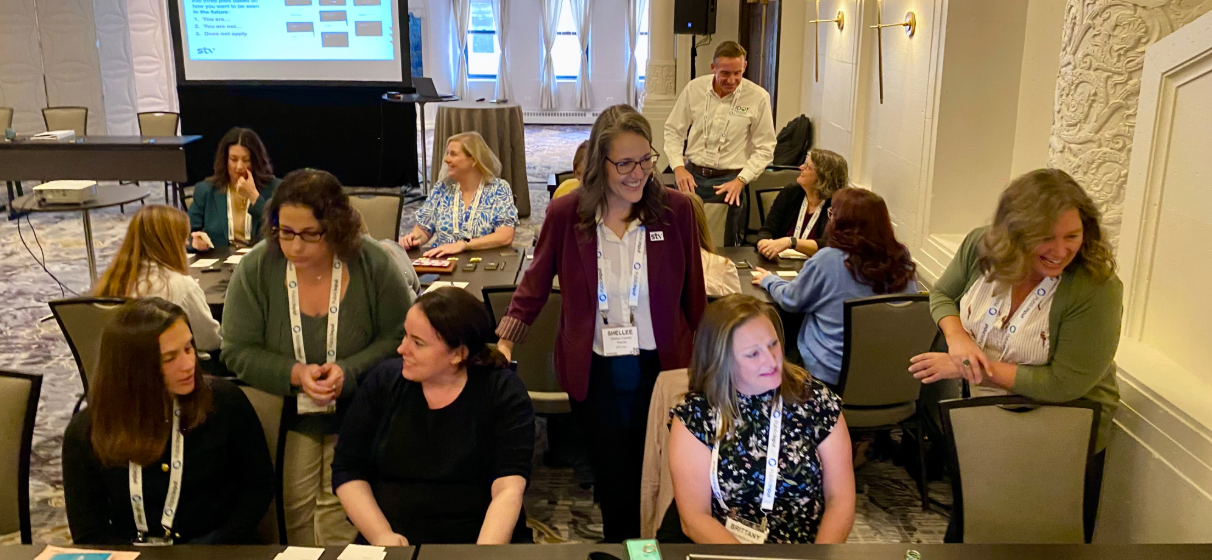
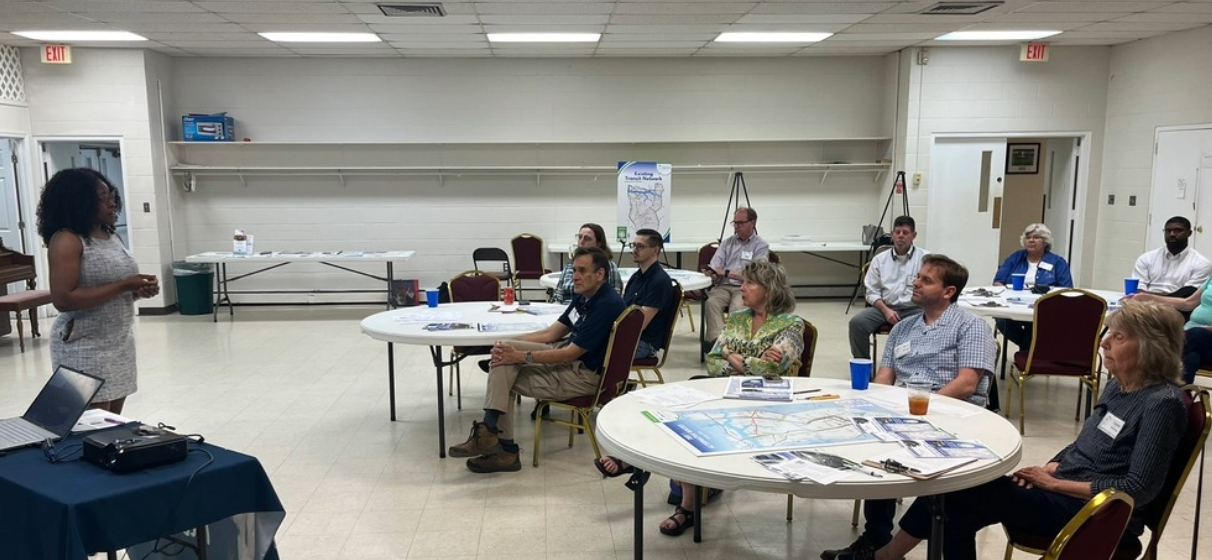
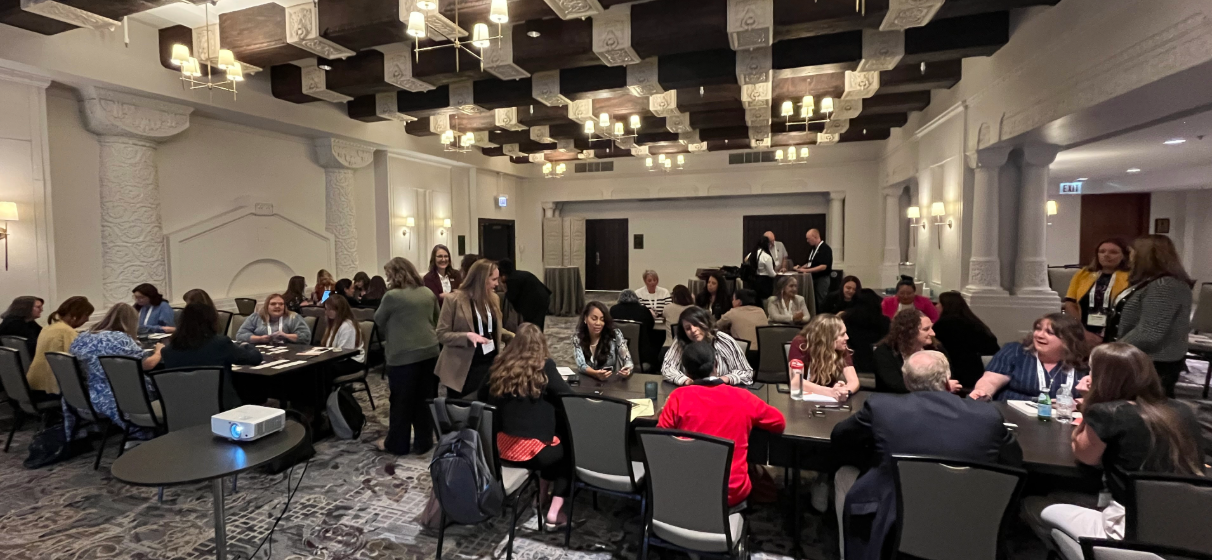
What we see today is a much more mature understanding of engagement as a blended practice. Effective agencies now recognize the value of combining in‑person and digital approaches to reach different audiences where they are, support two‑way communication and use feedback more intentionally. This shift reflects a broader understanding that engagement is not a checkbox – it is a core part of building public trust and delivering outcomes that communities can see and feel.
2. What’s the most common assumption clients have about public engagement?
Many historically viewed public engagement as something that must be done to satisfy a requirement. What often gets underestimated is how central engagement is to managing risk and creating a space where community priorities, values and lived experience directly inform the future of their community.
When engagement is done well, it helps surface concerns early, informs better decisions and reduces the likelihood of conflict, delay or loss of trust later in the project. Just as importantly, it gives communities a clear, respectful forum to share their priorities, values and lived experiences, so that plans and projects reflect the people they’re intended to serve.
3. Your team champions a “strategy-first” approach. What are the first steps you take when brought onto a project?
We start by establishing clarity and consistency in how the project is communicated. Early on, we identify where messaging may be fragmented or unclear and define a shared narrative and brand framework that aligns agencies, partners and project teams with clear, consistent messaging and visual identity. This foundation allows teams to speak with one voice, strengthening collaboration and reducing ambiguity as the project evolves.
4. Translating highly technical information is a core part of your role. What guiding principle helps make complex content accessible?
I ask myself, “If someone only looked at the visuals, what would they take away?”
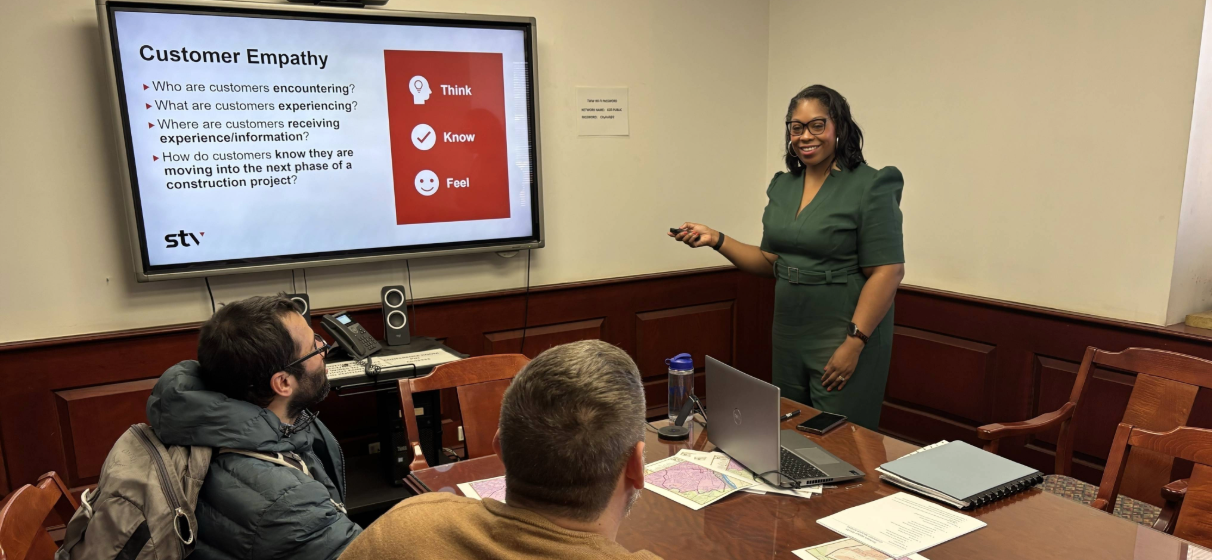
Engineering and planning language can quickly drift away from plain English. Our team specializes in translating “engineer” by creating clear, compelling visuals and stories, without compromising technical integrity. That focus on clarity and connection ensures that people don’t just see the information, but understand what it means for their daily lives.