For decades, STV has worked alongside the Pennsylvania Department of Transportation (PennDOT) to plan, design and deliver some of the Commonwealth’s most complex and high-profile highway and bridge improvements – often across programs that span multiple administrations, funding cycles and delivery phases. From major urban interchanges to long-range corridor programs, that partnership has been shaped by longevity, technical innovation and an understanding that many of PennDOT’s most consequential investments unfold over years – sometimes decades.
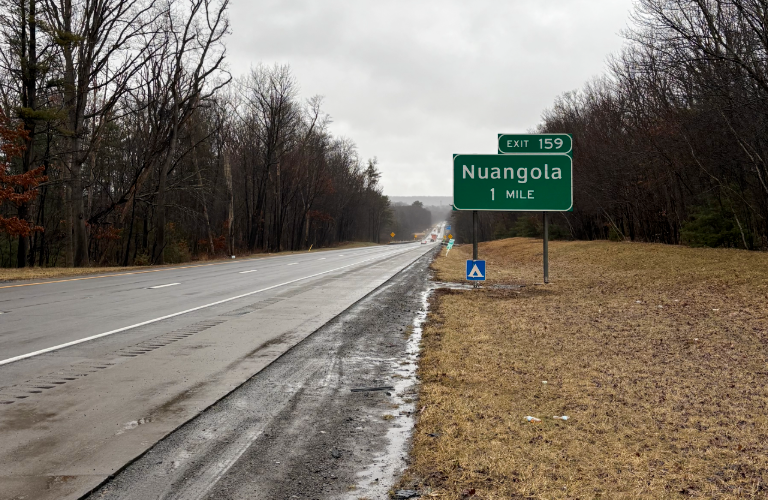
And that relationship continues to grow. PennDOT District 4-0 recently selected STV to provide design services for the reconstruction of a 5.5-mile segment of Interstate 81 from Dorrance to Nuangola in Luzerne County. The heavily traveled corridor carries more than 42,000 vehicles per day and serves as a crucial freight and commuter route, supporting regional commerce while connecting northeastern Pennsylvania to New York, New England and Canada. The program will modernize pavement, replace aging bridges and culverts, improve geometric conditions and evaluate truck parking needs – all while maintaining two lanes of traffic in each direction during construction.
To discuss what this milestone project represents – and how STV’s decades-long partnership with PennDOT helped set the stage for it – we spoke with Alexander Houseal, PE, vice president and district manager in Pennsylvania at STV.
1. The I-81 reconstruction in Luzerne County is a major PennDOT program. What makes this corridor, and this project, so significant?
I-81 is one of the most important freight corridors in the Northeast. In northeastern Pennsylvania, it carries a very high mix of trucks and commuters, and the corridor has to perform reliably every day. This project is about much more than pavement replacement – it’s about addressing geometry, safety and long-term durability in a way that supports regional mobility for decades.
Another defining element is constructability. PennDOT made it clear that maintaining traffic during construction was a priority, and that expectation is shaping the entire design approach from the outset. The team is using staged mainline reconstruction and temporary crossovers so we can keep two lanes open in each direction throughout construction. That’s critical for minimizing disruption to freight movement, local communities and the thousands of commuters who rely on the corridor every day.
2. How does this project reflect PennDOT’s expectations for delivery on complex corridor reconstructions?
PennDOT expects its partners to think holistically – to understand not just the engineering, but how design decisions affect staging, safety, maintenance and long-term operations over the life of the corridor. On I-81, that means designing a full-depth pavement structure that holds up to heavy truck volumes, integrating new roadside safety features and sequencing work so construction can move efficiently while traffic keeps flowing.
It also means anticipating future needs. Evaluating improvements like upgraded truck parking at the southbound rest stop is part of planning for how this corridor will function 10, 20 or 30 years from now. PennDOT values teams that look ahead and help them make informed decisions that balance today’s constraints with tomorrow’s demands.
3. This selection builds on a long history between STV and PennDOT. How have past programs shaped that relationship?
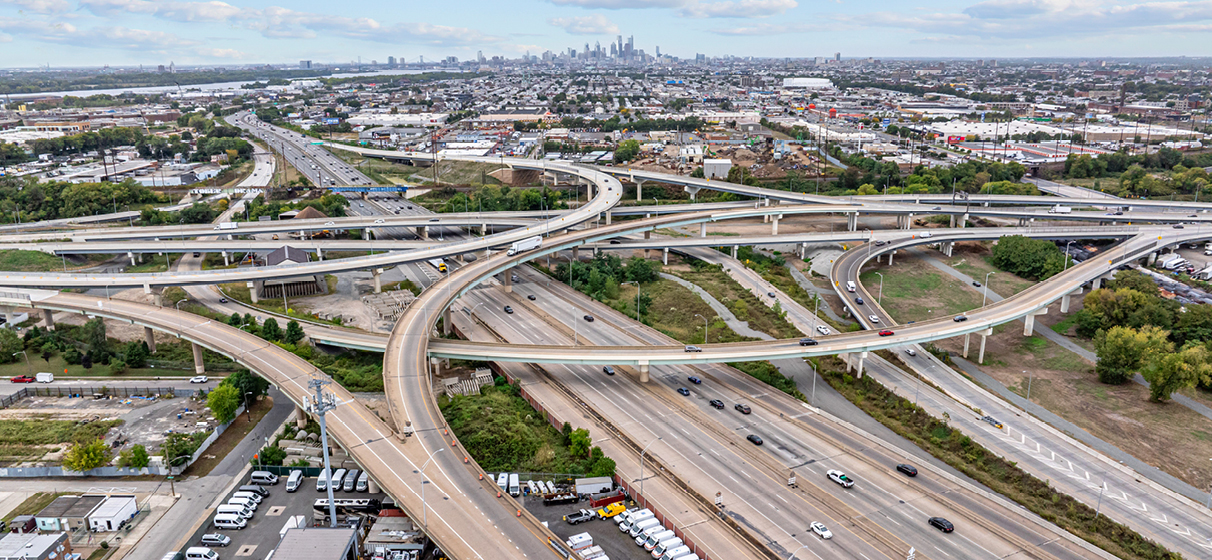
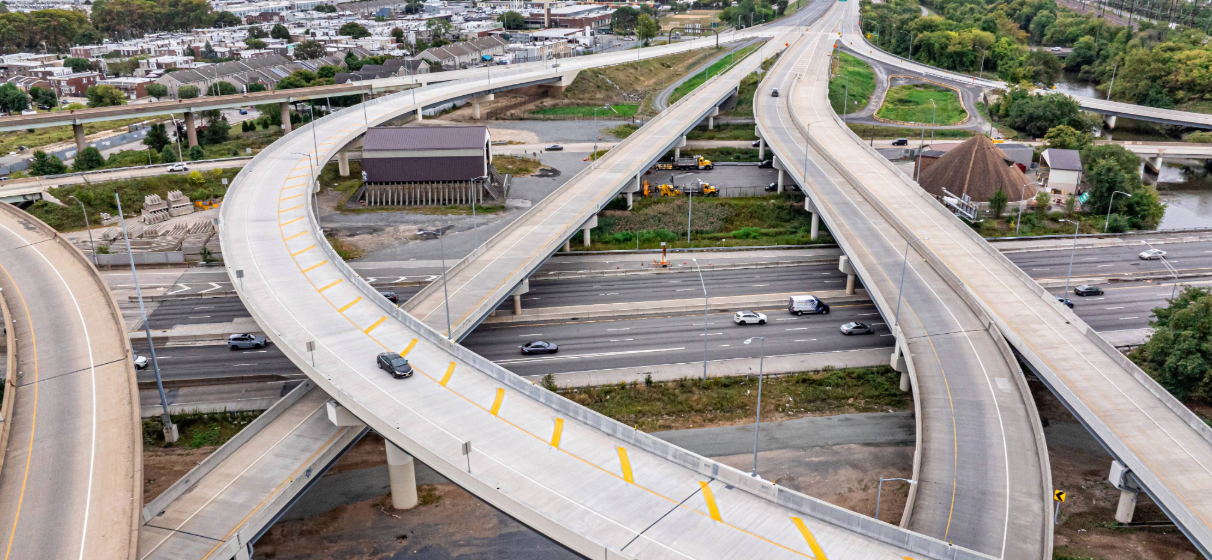
Our work with PennDOT has been defined by continuity. On programs like the I-95 Betsy Ross Interchange in Philadelphia, STV is supporting the project across all phases – from preliminary engineering through final design and construction support. That kind of long-term involvement builds institutional knowledge and trust, which becomes invaluable as projects evolve.
Betsy Ross is also a great example of how constraints drive innovation. The interchange sits in an incredibly tight corridor with rail lines, utilities and waterways, and solving those challenges led to the nation’s first steel curved tubular flange girder span. PennDOT was willing to pilot that innovation because the solution was rooted in constructability, safety and long-term performance – not novelty for its own sake.
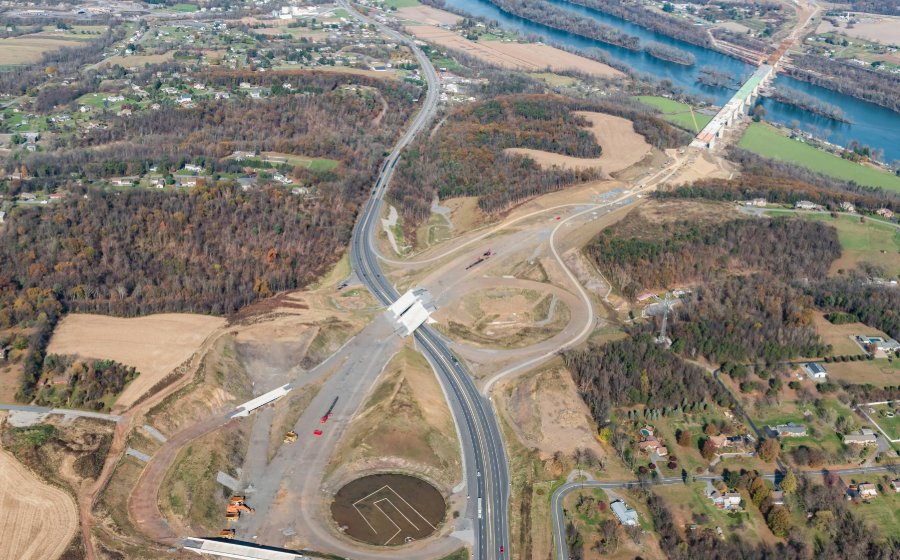
4. Another long-running program is the Central Susquehanna Valley Transportation (CSVT) Northern Section. What does that effort say about STV’s role as a partner?
CSVT really shows what it means to stay with a program over time. STV was involved for roughly 25 years, starting with early engineering studies and alternatives analysis that informed the Environmental Impact Statement, and ultimately serving as lead designer for delivered sections of the highway.
When you’re working at that scale and over that time horizon, consistency – and accountability for earlier decisions – matters. Decisions made during alternatives analysis come back years later in design and construction sequencing. PennDOT relies on partners who understand that history, respect environmental commitments and can adapt designs as conditions, funding and priorities shift. CSVT demonstrates that kind of endurance and follow-through.
5. Looking ahead, how does the I-81 project fit into PennDOT’s broader approach to modernizing highways and bridges across the Commonwealth?
I-81 represents the next wave of PennDOT’s corridor reinvestment strategy – taking heavily used highways that were built decades ago and retooling them for current and future demands. That approach combines traditional reconstruction with smarter staging, improved safety features and an emphasis on system reliability.
What connects I-81 to programs like Betsy Ross, CSVT and PennDOT’s broader bridge modernization efforts is a shared focus on enhancing mobility and connectivity throughout the Commonwealth. Whether it’s threading a bridge between rail lines in Philadelphia, delivering a new limited-access highway in central Pennsylvania or reconstructing an interstate while keeping traffic moving, the goal is the same: build infrastructure that works better for the people and economy of Pennsylvania.
For STV, being selected for I-81 is both an opportunity and a responsibility. It reflects decades of collaboration with PennDOT and reinforces our role in helping steward the corridors that matter most – through decisions that hold up not just today, but decades from now.