Modernizing the power grid has become a balancing act utilities can’t afford to get wrong. In our work supporting energy projects, we’ve seen firsthand how aging infrastructure, rising demand and the push for greater resilience are colliding with a hard reality – keeping energy reliable while keeping it affordable for the communities that depend on it. With an estimated $338 billion in investments needed before 2040 and more than 70% of Americans worried about energy costs, meeting today’s grid challenges requires more than technical upgrades. It demands long-term, integrated thinking.
This reality reveals how partners who can help clients manage cost, risk and operational complexity must also help communities understand how and why these investments translate into reliability, safety and affordability.
The Financial Imperative: Utilities Need Support That Makes the Numbers Work
Utilities are navigating a tightening landscape. Capital investments are increasing, supply chain variability persists and regulatory scrutiny around cost recovery is intensifying. At the same time, many utilities are being asked to commit to long-term programs while forecasting conditions remain uncertain and approval pathways grow more complex.
Effective customer support must help utilities manage these pressures. That means building frameworks that provide:
- Clearer visibility into cost drivers for more predictable forecasting.
- Constructability insights that help avoid costly rework or delays.
- Transparent phasing strategies that minimize service interruptions.
Across many of the projects we’ve supported, the most successful outcomes come when a utility partner can articulate both what needs to happen, and why certain investments optimize resilience, reliability and long-term efficiency. That technical clarity is essential, but only half the equation.
The Community Imperative: Investments Only Matter If the Public Sees Their Value
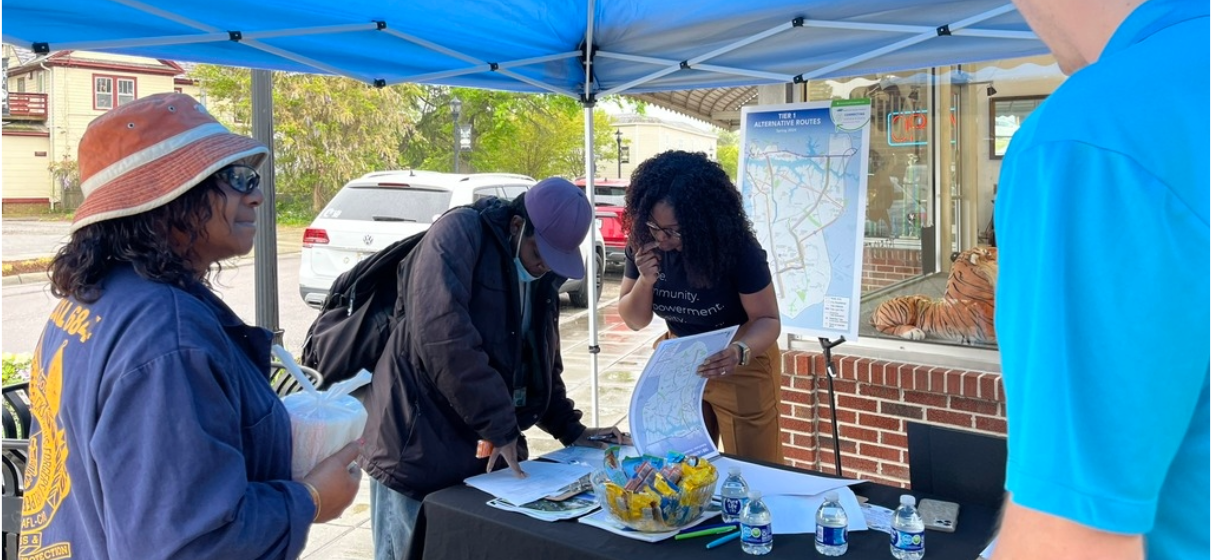
Even the most strategically sound project could falter if the public feels disconnected from its purpose. Communities want transparency: why a project is happening, what disruptions to expect and how it will ultimately improve quality of life. They want proof that the costs they absorb (directly or indirectly) translate to tangible benefits.
Effective customer support helps utilities tell that story clearly and authentically. It turns technical progress into human context. When people understand the “why,” they are far more likely to support the “what.” That alignment often leads to smoother approvals, fewer delays driven by opposition and greater trust between utilities and the communities they serve.
A Unified Approach: Bridging Cost, Communication and Community Impact
The future of energy infrastructure demands a holistic model of customer support: one that anticipates technical constraints, elevates public understanding and respects the uniqueness of each community served.
Because in this moment of rapid change, the most successful energy projects will be the ones where financial discipline and public confidence move forward together.