The Pennsylvania Turnpike is more than just a highway – it’s a 360-mile corridor that drives the state’s economy, connects communities and supports millions of travelers and freight haulers every year. After more than 70 years of service, certain sections required full modernization to meet today’s safety, mobility and resiliency standards. Through its $8-billion Capital Plan, the Pennsylvania Turnpike Commission (PA Turnpike) is rebuilding its system for the next century of travel.
One of the most complex segments in this system-wide effort is milepost 324–326 reconstruction in Tredyffrin and Upper Merion Townships, located near the King of Prussia Mall, Valley Forge National Historical Park and the Valley Creek watershed. This 1.53-mile stretch carries some of the highest traffic volumes in the region and required a complete rebuild – not only new bridges and wider lanes, but advanced stormwater management strategies and environmentally sensitive design solutions.
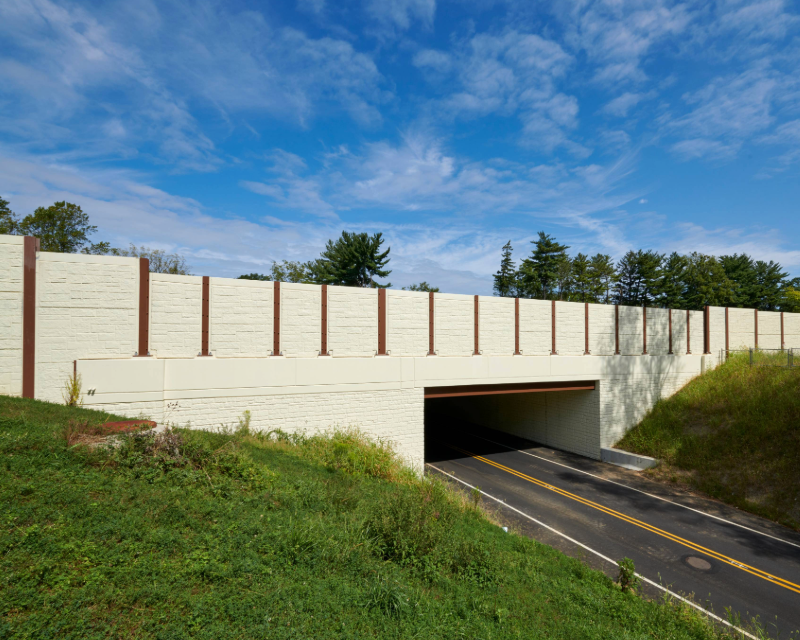
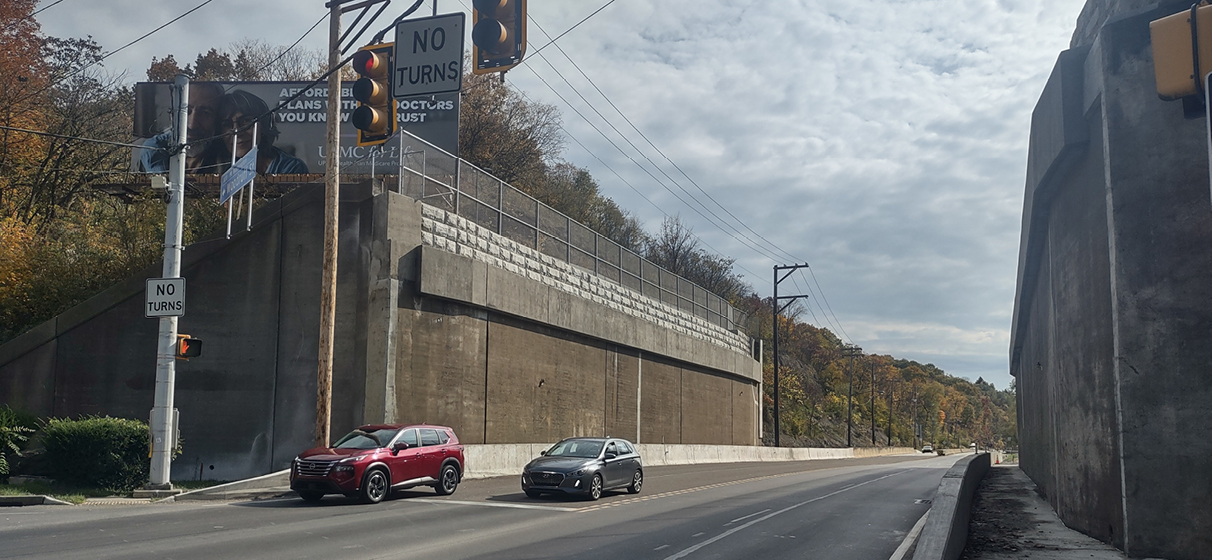
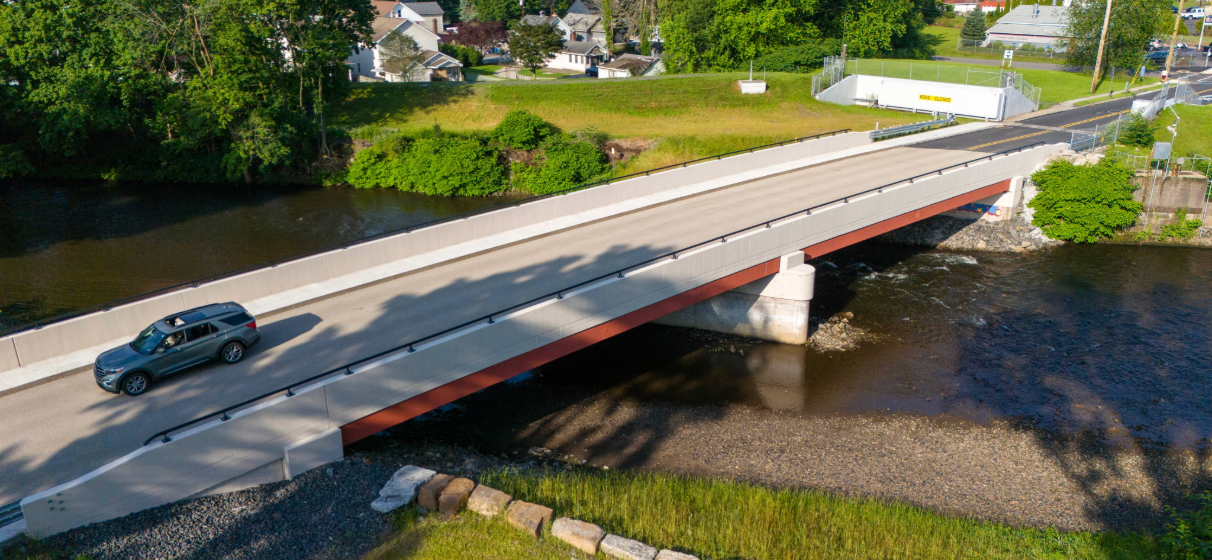
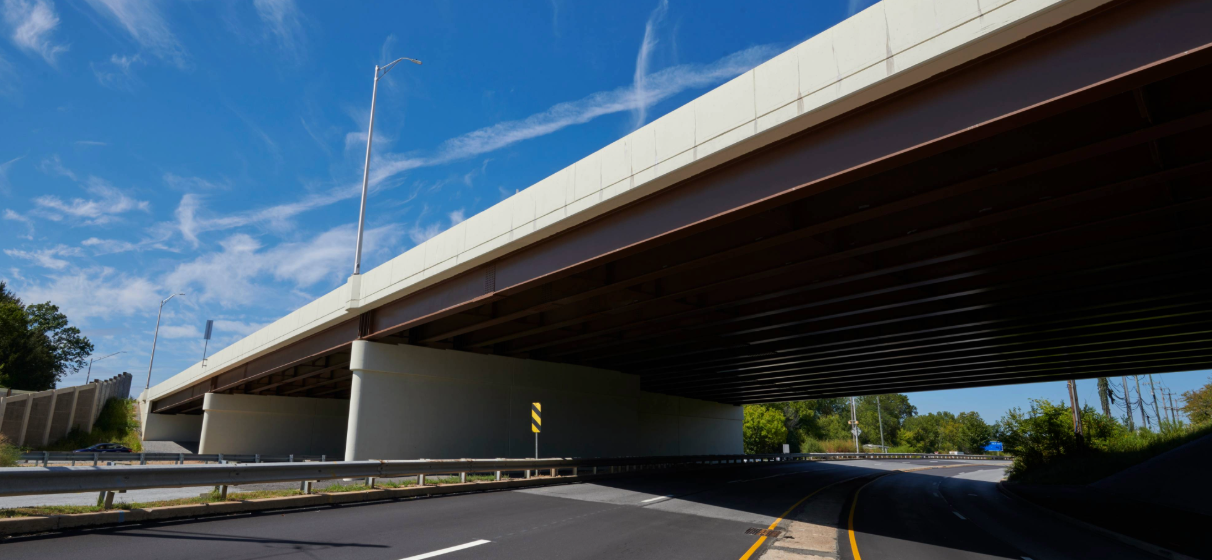
As the lead designer and engineer-of-record, STV oversaw all phases of work, from design through construction support for this section. The $117 million reconstruction widened the roadway to six 12-foot lanes with full shoulders and a 26-foot median, replaced three overpasses, extended culverts and introduced upgraded drainage and noise-abatement systems. Addressing the corridor’s karst geology required tailored stormwater solutions to reduce sinkhole risk and improve flood resilience, while new noise barriers were designed to blend with surrounding neighborhoods. Detailed maintenance-of-traffic planning ensured the PA Turnpike remained operational throughout the construction, and close coordination with environmental agencies minimized the impacts on wetlands, streams and parkland.
Despite permitting challenges affecting the broader corridor, a phased delivery strategy enabled the milepost 324–326 section to advance efficiently and remain on schedule. STV worked closely with a multidisciplinary team to deliver a technically rigorous and environmentally responsible design.
Environmental stewardship was a central focus. Infiltration systems were calibrated to local karst conditions through extensive subsurface investigations, and retaining walls integrated into culvert crossings helped limit stream impacts to just 21 linear feet temporarily and 292 feet permanently. Wetland disturbance was kept exceptionally low – 0.003 acres permanently and 0.033 acres temporarily.
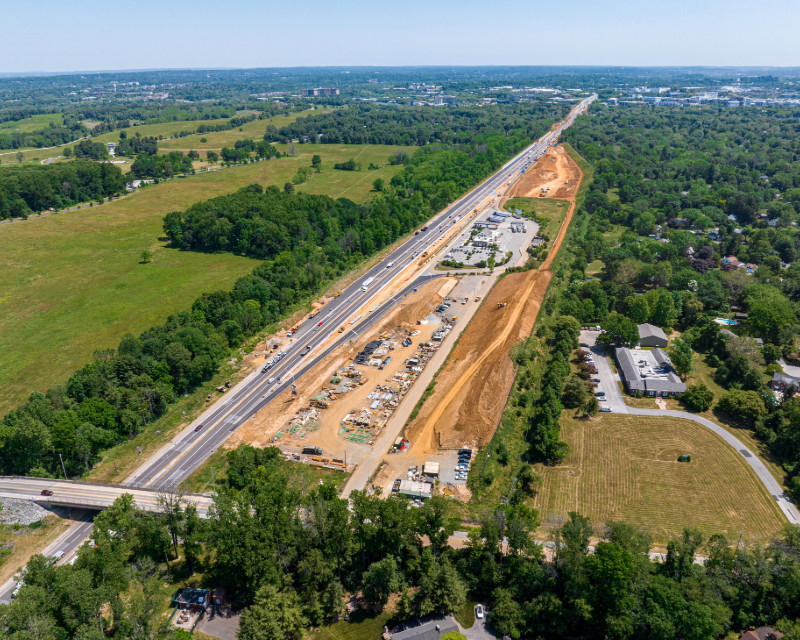
As the project approaches completion, travelers are already experiencing safer, more reliable mobility through one of the busiest sections of the PA Turnpike, along with reduced flood-related disruptions and quieter neighborhoods thanks to new noise barriers. For the engineering profession, milepost 324–326 offers a model for reconstructing highways in geologically complex and environmentally sensitive areas, providing a replicable blueprint for sustainable infrastructure.
The reconstruction of this area demonstrates how technical expertise, innovation and collaboration can modernize vital infrastructure while balancing mobility and environmental and community needs. Its successful execution reflects what resilient, future-focused infrastructure can achieve.