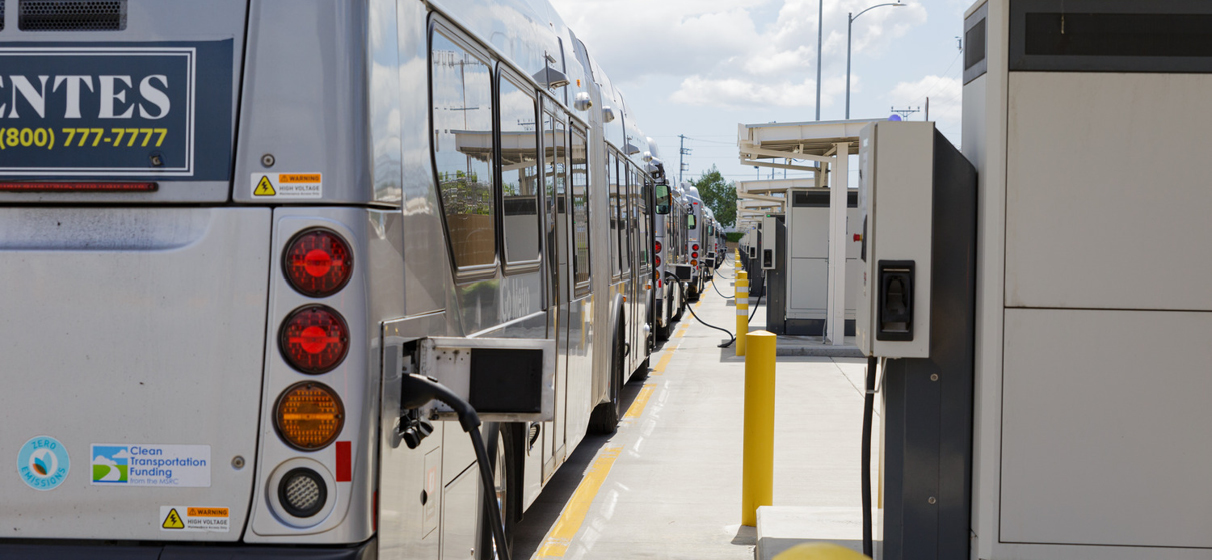
As electric vehicles (EVs) grow in adoption and model diversity, transportation agencies are rethinking the standards that keep drivers safe. In the United States alone, electric vehicle sales increased to 1.6 million in 2024. With heavier frames and lower centers of gravity, EVs exhibit distinct collision dynamics compared to traditional vehicles, creating new challenges for roadside barrier systems on roadways and bridges.
Through partnerships with various statewide departments of transportation, STV is leading crash testing and simulation research to evaluate and enhance the performance of mid-tension cable guide rails on major bridges. STV’s senior project manager, Alireza Mohammadi, highlights how these evaluations can guide updates to statewide roadside safety standards and prepare roadways and bridges for a rapidly electrifying transportation future.
1. Why are agencies looking to cable-based systems as part of their next-generation safety strategy?
Understanding how EVs affect roadside safety systems informs smarter, more intentional investment decisions and lifecycle maintenance planning. By refining barrier performance, states can enhance passenger and vehicle safety, reduce long-term repair costs and align roadway infrastructure with community willingness for EV adoption.
2. What is the focus of STV’s current crash-testing and analysis work?
Our team, in collaboration with crash test facilities and crash simulation professionals, is performing a combination of full-scale crash tests and finite element analyses (FEA) to evaluate how different vehicle types, from small electric sedans to pickup trucks, impact mid-tension cable guide rails. These tests measure barrier deflection, vehicle trajectory and energy absorption to determine whether existing systems meet safety criteria under the latest Manual for Assessing Safety Hardware (MASH) standards. The insights gained will guide updates to statewide standard mid-tension cable guide rail details and configurations aiming to enhance long-term roadway performance.
3. Why are cable barriers an important part of this research?
Cable systems are increasingly seen as a cost-effective and adaptable solution. Unlike rigid steel rails, mid-tension cable barriers flex and dissipate impact energy, reducing the severity of crashes. They also engage the lower part of the vehicle’s body, which is critical for EVs with low front profiles. The goal of this research is to verify whether cable systems can safely and reliably redirect heavier, lower vehicles and withstand the impact loads unique to the growing EV fleet.

4. How does STV help agencies bridge the gap between safety research and infrastructure modernization for roads and bridges?
At STV, we see safety as a continuous process of learning, testing and adapting to new technologies to deliver data-driven recommendations for future-ready bridge and roadway systems. It embodies our commitment to helping clients anticipate change, with our national experts working hand-in-hand with our local teams to translate research into practical improvements for our communities.