As utilities confront aging infrastructure and growing regulatory pressure, water management can no longer be approached in silos. Today’s challenges demand an integrated mindset that recognizes drinking water, wastewater, stormwater and reuse as interconnected parts of a single system that must be planned, operated and protected holistically.
Automation is foundational to making that integration possible. Supervisory Control and Data Acquisition (SCADA) systems serve as the digital connective tissue of modern water infrastructure, enabling utilities to monitor, coordinate, optimize and secure assets across the entire water cycle.
In this interview, Marcel Dinamarca, STV’s national technical lead in electrical, instrumentation and controls (E&I) and SCADA, discusses how SCADA technology is evolving and why it is critical to advancing resilient, data-driven and fully integrated water systems. From predictive analytics and cybersecurity to long-term planning and operational resilience, Dinamarca explains how SCADA is helping utilities turn One Water principles into day‑to‑day operational reality.
1. For those unfamiliar, what is SCADA and why does it matter for water and wastewater systems?
SCADA, which stands for Supervisory Control and Data Acquisition system, is essentially the nervous system of a facility. It monitors, controls and collects data from every process and piece of equipment, giving operators real-time visibility and control. Across the water lifecycle, that means everything from flow and pressure to chemical dosing and pump performance. SCADA enables utilities to optimize operations, improve safety and meet compliance requirements
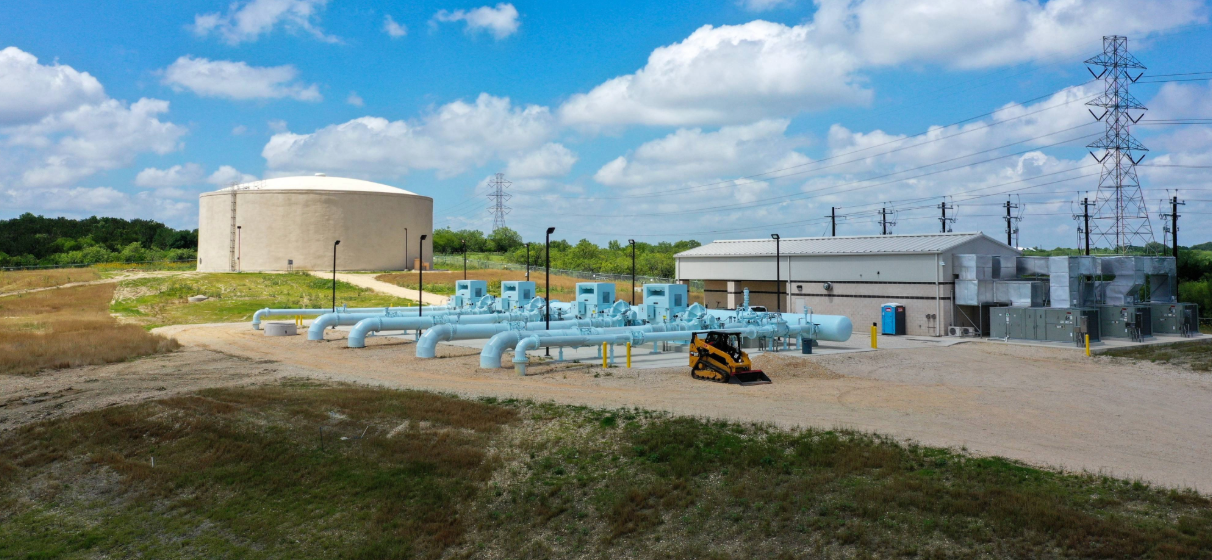
Think of SCADA as the system that connects everything and feeds you information so you can analyze it and make decisions. It’s not just about monitoring; it’s about implementing strategies for operational control, trending, alarms and interlocks that operate automatically. From treatment plants and pump stations to distribution networks and collection systems, SCADA provides real-time visibility and control to manage water as a shared, system-wide resource.
2. What does SCADA actually monitor and control?
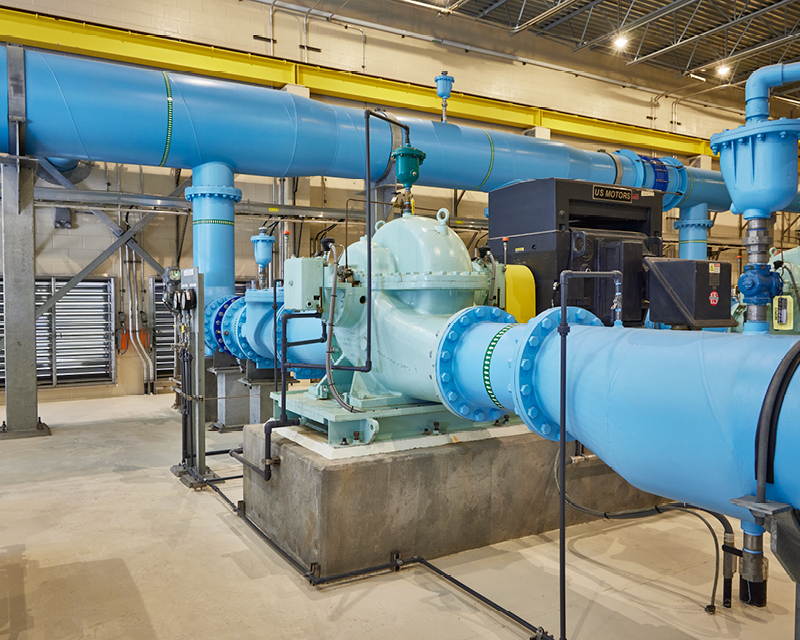
It starts with defining process requirements. Based on those, we install instruments – flow meters, pressure transmitters, level sensors, pH meters – that feed data to programmable logic controllers (PLCs). These PLCs are the brains of the system, executing logic to automate actions like adjusting pump speeds when tank levels change. For example, if a tank level is rising too high, the PLC can automatically slow the pump feeding that tank. Historically, these were manual processes. Today, SCADA systems can automate them in real time, reducing human error and improving efficiency. For utilities, that means fewer overflows, better energy management and more reliable service.
3. How has SCADA evolved in recent years?
The leap from relay logic and manual panels to smart instrumentation and industrial Internet of Things (IoT) has been dramatic. Back in the 1960s and 70s, controls were lights, panels and switches. Now, we have big screens with all the information you can imagine, and everything is getting more automated. Today, SCADA systems integrate edge computing, predictive analytics and even digital twins – virtual models that simulate plant operations for planning and troubleshooting. We’re also seeing AI-driven decision-making and advanced metering infrastructure that enables proactive maintenance. Instead of reacting to failures, utilities can anticipate them and even trigger procurement of spare parts before breakdowns occur. This is a game-changer for resilience and cost control.
4. How is predictive maintenance transforming asset management for water utilities?
Utilities are shifting from a reactive to a proactive approach with predictive maintenance. Modern SCADA systems now integrate with enterprise resource planning (ERP) tools to automatically order spare parts when sensors detect wear or performance anomalies. This reduces downtime and extends the lifespan of critical assets – especially for utilities managing aging infrastructure. For example, a pump can use vibration data to predict its own failure and trigger a work order before any actual downtime occurs. This predictive strategy saves thousands in emergency repair costs and helps prevent service disruptions.
5. How does cybersecurity fit in as a core design element in modern SCADA implementations?
As SCADA systems become increasingly connected to traditional enterprise systems, their vulnerability to cyber threats grows. However, many components installed today were built and introduced without digital security in mind. Legacy protocols like Modbus, for example, are easy targets for hackers; they are unencrypted and require no authentication. To protect critical infrastructure, utilities must implement secure protocols, segment networks and adopt proactive risk management strategies. Cybersecurity is no longer just an add-on; it’s a foundational requirement for every SCADA upgrade to safeguard essential operations.
6. How does this type of data integration and security help inform master planning for utilities?
SCADA systems generate massive volumes of data for utilities, and the key to future progress lies in leveraging this data to drive compliance, enhance operational efficiency and guide long-term strategic planning. By analyzing SCADA data, utilities can proactively anticipate future capacity needs, leading to smarter, more resilient water management.
In master planning, SCADA data plays a crucial role in flagging equipment obsolescence and forecasting capacity demand years in advance. It also strengthens storm preparedness and disaster response capabilities by automating essential actions – such as adjusting tank levels or activating backup power – during extreme weather events. For example, utilities can implement a “storm mode” feature that automatically optimizes tank levels and flow rates in advance of a hurricane, allowing them to respond swiftly and safeguard vital infrastructure.
7. What roles do digital twins and simulation play in water and wastewater utility resiliency?
Digital twins enable utilities to simulate operational changes, such as adding a pump or adjusting chemical dosing, without disrupting actual service. This technology is invaluable for planning system expansions and preparing for extreme weather events, enabling utilities to test scenarios and improve operational resilience before implementing changes in the real world.
8. In your opinion, how are AI and advanced analytics shaping the future of water utility operations?
Artificial intelligence is emerging as a transformative tool for utilities. By analyzing SCADA data, AI can optimize energy consumption, predict equipment failures and even recommend operational changes to enhance efficiency. These advanced analytics empower utilities to make smarter, data-driven decisions and operate more sustainably.
9. How does STV help clients implement SCADA and manage cybersecurity?
At STV, we don’t treat SCADA or cybersecurity as isolated projects. STV is the first company I’ve worked with that can deliver end-to-end services from electrical instrumentation and controls to cybersecurity, all in one organization. We start with a full assessment of existing systems, then develop phased plans for upgrades, analytics and security. That level of coordination improves efficiency and gives operators an edge.
One of the most important things we do is bring a utility’s IT team into the conversation early. They see the full picture of the organization’s security program, priorities and risk tolerance, and that perspective is crucial when you’re designing or upgrading operational technology like SCADA. Early IT involvement helps verify that cybersecurity requirements are understood upfront and balance doing the best possible job on a specific project while staying aligned with the utility’s broader enterprise security standards. Even when STV isn’t handling every cybersecurity component directly, that early coordination allows IT teams to reinforce requirements and make sure everything works together end to end.
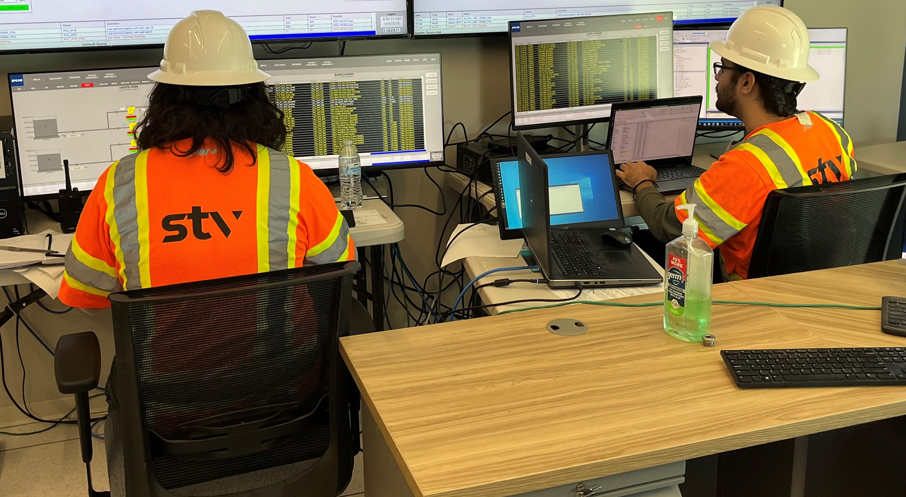
We also spend time helping clients define what cybersecurity maturity looks like for their organization. It’s not just about network security or choosing the right tools; it’s about continuous improvement and making smart decisions with the time and resources you have. Our end-to-end capabilities, from instrumentation and controls to SCADA and cybersecurity, allow us to support systems that are more secure by design and recommend controls for defensible networks and systems as threats and needs change.
10. What’s your message to utilities considering SCADA upgrades?
Don’t think of SCADA as just a control system. It’s a strategic tool. When integrated with analytics and cybersecurity, SCADA becomes the foundation for smarter, more sustainable operations. Automation is everywhere now. With SCADA, utilities can move beyond basic monitoring to predictive analytics, integrated cybersecurity and smarter planning. STV’s ability to deliver these solutions end-to-end is a game-changer for our clients.