The Better Question is a recurring series that grounds complex industry assumptions in facts, feasibility and community impact.
Maintenance facilities often face public scrutiny, particularly when agencies need to modernize aging infrastructure or develop new facilities. Community concerns about noise, lighting, traffic and industrial character are understandable, but they are often rooted in perceptions formed decades ago that no longer reflect how today’s facilities operate.
In this edition of The Better Question, Jeff Messinger, PE, LEED AP BD+C, vice president and project manager at STV, explores how modern maintenance facilities can strengthen communities, support safer and more reliable transit service, enable zero-emission fleet transitions and create value that extends far beyond operational needs.
Myth: Maintenance facilities are loud, disruptive, unattractive and bad for the neighborhood.
Where does this perception come from, and why does it persist?
Many of these perceptions originated during an earlier era of transit operations, when diesel-powered fleets dominated the industry, ventilation systems were limited and maintenance yards were designed primarily around operational requirements.
Historically, maintenance facilities were associated with diesel exhaust, engine idling, noisy repair activities and heavy industrial traffic. For many residents, those images remain tied to what a maintenance facility represents. During construction, when activity is temporarily elevated, those assumptions can sometimes be reinforced.
So, what does the evidence actually show?
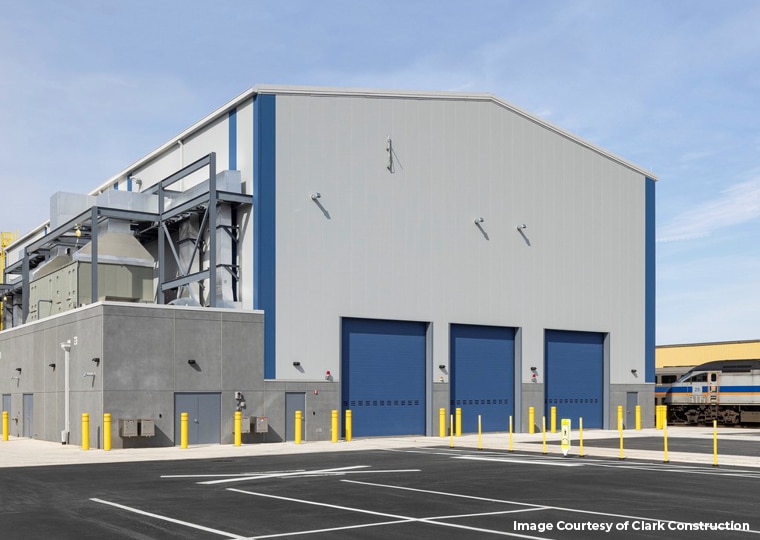
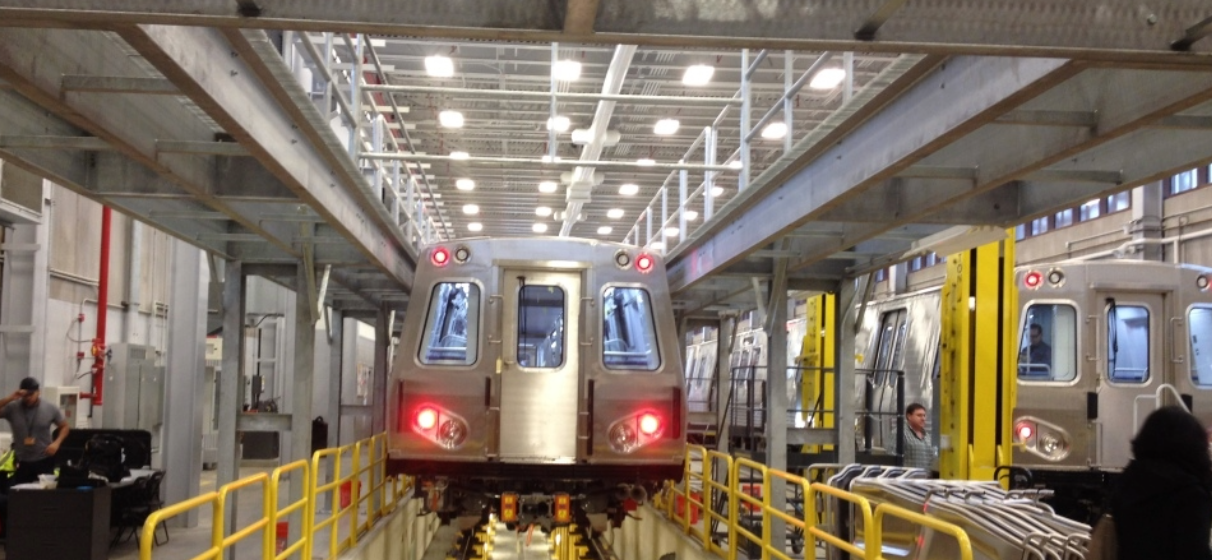
Modern maintenance facilities are fundamentally different from their predecessors.
Advances in building systems, electrification, environmental controls and community-focused design have transformed what these facilities can deliver for both transit agencies and their surrounding neighborhoods.
Today’s facilities can:
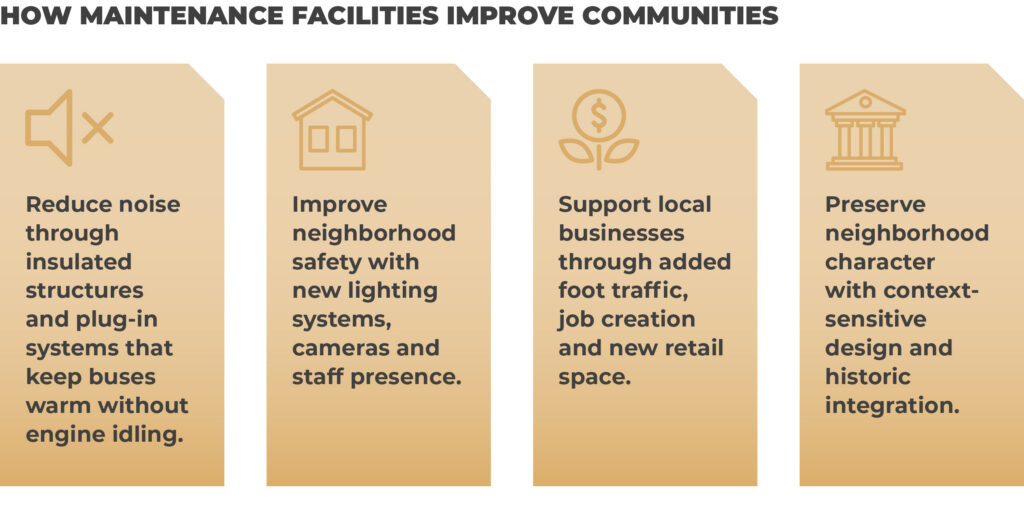
Beyond the facility itself, transit investment creates broader community benefits. According to the American Public Transportation Association, public transportation investment generates 5:1 economic return for local communities by improving mobility, supporting workforce access and encouraging economic development.
What does this look like in practice?
At STV, we design maintenance facilities with long-term flexibility in mind. As fleets evolve and technologies continue to advance, facilities must be prepared to accommodate future operational requirements, whether that means battery-electric vehicles, new rolling stock, changing maintenance practices or evolving service needs. Achieving that level of adaptability requires more than facility design alone. It involves coordinating operational planning, fleet transition strategies, sustainability objectives, architectural considerations and community priorities to create solutions that serve both agency needs and neighborhood expectations.
Designing for adaptability today helps agencies minimize future disruptions, maximize the useful life of their investments and maintain reliable operations for decades to come. Just as important, it allows agencies to modernize infrastructure and prepare for future fleet technologies while remaining responsive to the communities they serve.
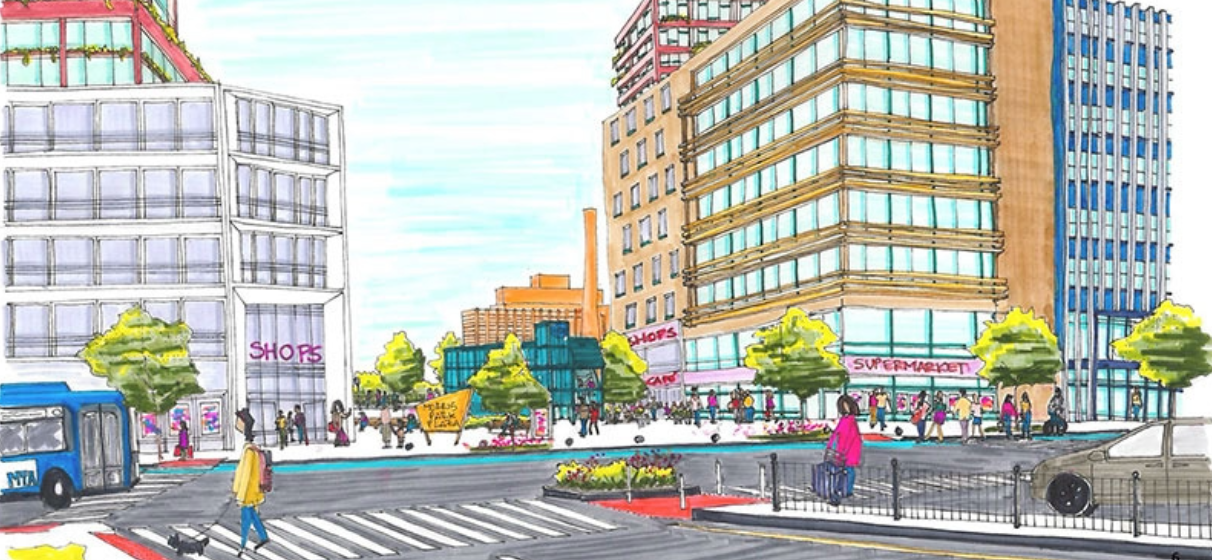
One STV-designed bus garage demonstrates this evolution particularly well. The project preserves more than 500 feet of historic façade while incorporating 26,000 square feet of new retail space and planning for a future battery-electric fleet. What was once a diesel-era operations facility is being transformed into a LEED Platinum-certified asset that enhances the surrounding neighborhood while supporting the agency’s long-term sustainability goals.
Projects like this illustrate how maintenance facilities can be more than operational infrastructure. When thoughtfully planned and integrated into the surrounding community, they can contribute to neighborhood vitality, support local economic activity and help agencies build public confidence in future investments. Successful outcomes often emerge through sustained collaboration among transit agencies, community stakeholders, planners, architects and engineers working together to balance operational performance with broader neighborhood goals.
Engaging communities early and clearly communicating these benefits is equally important. Through early stakeholder engagement, transparent communication and collaborative planning, agencies can better align operational goals with community priorities, creating stronger understanding and more productive conversations around infrastructure investments.
When agencies are deciding where to invest in their next maintenance facility, how can those decisions stand the test of time?
Rather than asking: “Will a maintenance facility negatively impact the surrounding community?”, a more productive question is, “How can a modern, community-integrated facility create lasting benefits for our riders and neighbors?”
At STV, we partner with agencies to plan and design maintenance facilities that are efficient, adaptable and grounded in community context. Our approach helps clients balance operational performance, infrastructure modernization and community priorities while preparing for future transportation technologies and fleet transitions. When infrastructure is thoughtfully designed, its impact extends well beyond its primary function – strengthening neighborhoods, supporting future mobility needs and helping make communities better.
Find out more about how STV’s Maintenance Facilities team helps plan, design and support construction of facilities for both small- and large-scale bus, rail, transit and intermodal systems.