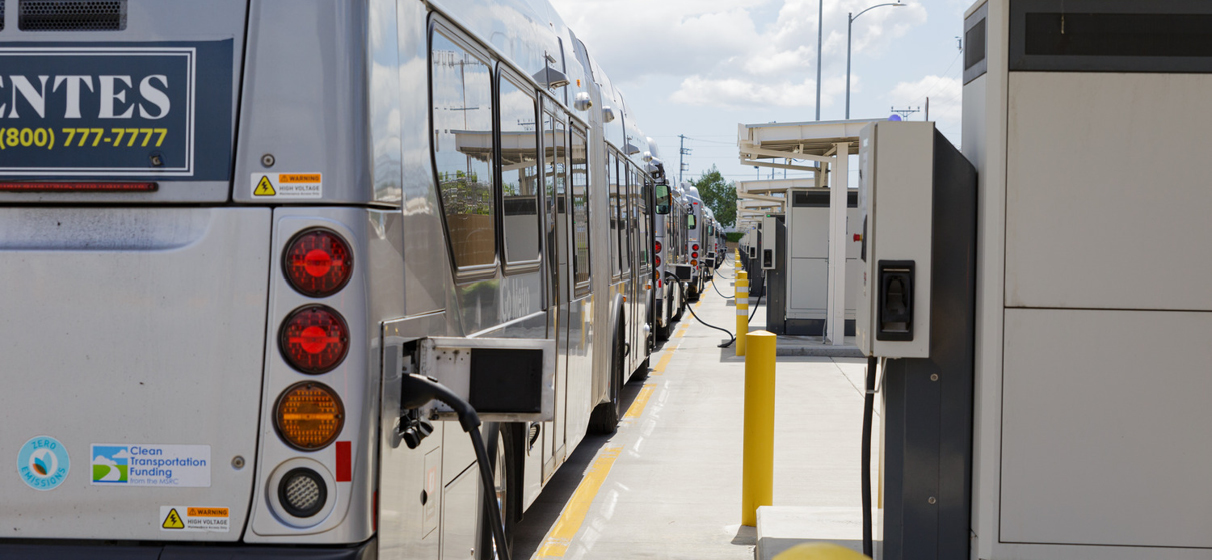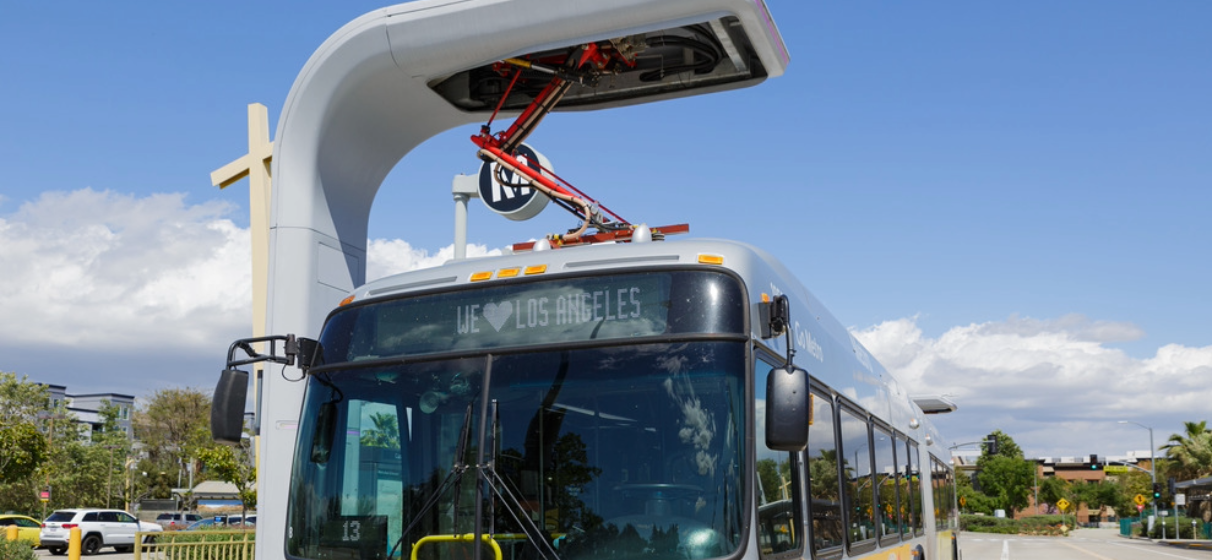
In airport environments, fleet performance is measured minute by minute – through passenger throughput, on-time connections and tightly coordinated airline operations. As airports electrify landside shuttle buses and supporting fleets, the stakes extend beyond sustainability goals to maintaining continuous, reliable service in high-pressure operating conditions.
At the same time, rising vehicle and infrastructure costs, evolving funding opportunities and constrained space are forcing airport operators to make high-impact decisions earlier in the planning process – before all variables are fully defined.
But that framing misses the more decisive issue. The real risk to electrification programs isn’t the technology – it’s whether airports are prepared to operate and sustain these fleets day to day.
Airports operate in high-variability environments shaped by peaks in passenger demand, constrained landside space, competing stakeholders, power availability and operational readiness across teams and facilities.
In this edition of The Better Question, Craig Cipriano, senior vice president and national director of zero‑emissions mobility, outlines how these factors (not the vehicles themselves) often determine whether zero-emission programs succeed or stall.
Myth: Zero Emission bus technology is not mature enough for widescale airport deployment.
Where did this perception come from, and why does it persist?
Transit agencies have led early adoption of zero-emission fleets, supported by significant federal investment. As with any large-scale transition, early deployments surfaced challenges – not because the technology is inherently unproven, but because operating environments, duty cycles and infrastructure readiness vary significantly across agencies. In some cases, reliability issues reflected those mismatches more than limitations of the vehicles themselves.
These experiences have shaped industry perception, but they do not fully reflect how zero-emission fleets perform across different operating environments.
What does the actual evidence show?
Airport landside operations are often well-suited for battery-electric deployment. Circulator routes typically involve shorter distances, predictable loops and built-in dwell time (such as at rental car facilities), creating natural opportunities for charging without disrupting service.
In many cases, airports also operate with higher spare ratios than transit systems, providing added flexibility to manage charging cycles and maintain reliability.
When these operational characteristics are aligned with fleet strategy and infrastructure planning, today’s technology can support consistent service without introducing new risks of disruption.
How does STV approach these realities?
STV works with airport operators to address a set of interdependent decisions that ultimately determine whether a program performs as intended – or stalls before it reaches full deployment.
For many operators, the greatest risks emerge when key decisions are made in isolation. Fleet procurement without utility coordination can delay deployment. Infrastructure planning without route-level analysis can create capacity mismatches. And compressed implementation schedules can limit the ability to adapt as conditions change.
What does this look like in practice?
STV integrates fleet planning, route analysis, facility readiness and workforce considerations to help airports deploy cleaner vehicles without compromising service continuity.
Tools like STV’s PEER model simulate operating conditions, allowing operators to test how electric buses will perform across routes, schedules and environmental conditions before they enter service.
These insights help answer critical questions, including:
- How much power is required to support current and future fleet needs?
- How will seasonal conditions impact performance and range?
- What operating adjustments are needed to maintain service and avoid disruptions during peak demand periods?
By resolving these questions upfront, operators can make informed, defensible decisions – reducing the risk of service interruptions and strengthening day-to-day operational performance for passengers and stakeholders.
If airports are still determining their readiness to make the change to EVs, what question should they be asking?
Instead of:
“Which zero‑emission buses should we buy?”
Ask:
“How do we build a fleet that reliably delivers service, given real constraints on power, infrastructure, vehicle supply and time?”
For many airports, the strongest path forward lies between aspiration and feasibility. STV helps clients navigate that space by delivering strategies that are fundable, operationally sound and scalable as technology and supply chains evolve, enabling infrastructure and fleet systems that perform consistently under real operating conditions while supporting uninterrupted service.
By combining operational insight with data-driven planning, STV serves as a partner to airport operators, helping them make confident, forward-looking decisions in an environment defined by uncertainty.
Learn more about how STV’s Zero Emissions team supports airports and airline operators in planning and delivering fleet electrification programs that work in the real world.