Transit agencies throughout the United States are facing a collective challenge: how to modernize aging traction power and control systems that underpin daily operations without disrupting daily service or compromising long‑term reliability. Federal data places the national State of Good Repair backlog at more than $140 billion, with systems assets (power, signaling and communications) among the most deteriorated and operationally consequential.
To accelerate delivery, many agencies are turning to design‑build. Yet experience shows that delivery method alone does not determine success. Most major transportation projects still face cost and schedule overruns, driven less by construction complexity than by failures at system interfaces – the points where power, controls, communications and operations must function as one system.
At that level, outcomes depend on systems engineering.
As engineer of record for the Utah Transit Authority’s (UTA) State of Good Repair Traction Power Substation Rehabilitation Program, STV is providing systems engineering leadership across traction power, Supervisory Control and Data Acquisition (SCADA), communications and live‑rail phasing for one of the most comprehensive active‑system light rail modernization efforts in the country. Working within an operating transit environment, STV is helping UTA modernize critical infrastructure without losing sight of how the system is operated, maintained and relied upon every day.
In this interview, Ja‑Mie Luey, PE, vice president and engineering chief at STV, explains what this work reveals about design‑build success (or failure) at the systems level – and how UTA is applying systems‑level thinking to modernize infrastructure while maintaining safe, reliable service.
1. From a systems perspective, what made this design‑build program fundamentally different?
This wasn’t a stand‑alone power upgrade: it was a live, interconnected rail system that had to keep running while we modernized it.
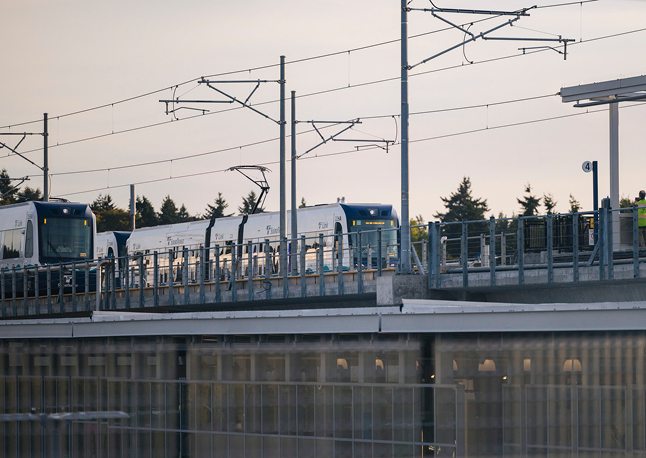
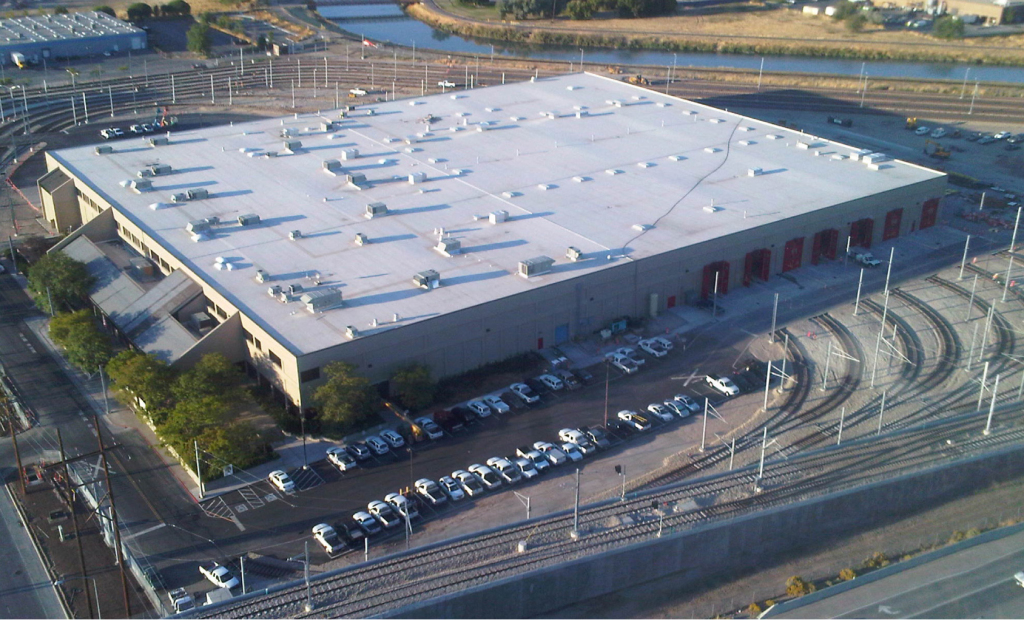
Our scope included rehabilitation of several traction power substations serving UTA’s TRAX light rail system, but the real complexity came from systems integration – making sure traction power, SCADA, communications, controls, testing and operations all worked together, in an active light rail environment where there was no margin for error.
That level of systems accountability changes how design‑build functions. When integration responsibility is fragmented, risk moves downstream. When systems responsibility is clearly defined and coordinated up front, design-build can move faster while still protecting reliability, safety and operations.
2. How did systems engineering shape decision‑making on a program of this scale?
From early condition assessments through detailed design, procurement support and acceptance testing, our role was to translate complex technical information into clear, decision-ready options. That meant defining requirements, verifying system impacts and validating alternatives, particularly as enhancements and changes were introduced along the way.
When systems information is structured correctly, owners don’t hesitate. They understand the tradeoffs, trust the analysis and stay engaged in decisions rather than reacting to them later. That clarity allows design‑build teams to maintain momentum while managing risk, rather than deferring decisions until construction forces them.
3. SCADA and communications integration was a major part of STV’s scope. Why is that so critical on modern rail systems?
Traction power doesn’t operate in isolation. A defining feature of our work with UTA was deep integration with the agency’s operational control architecture. That included modernizing supervisory control and annunciation, replacing legacy analog systems and integrating substations into UTA’s enterprise SCADA network.
Equally important was coordination with parallel, agency‑wide SCADA modernization efforts. From a systems perspective, power upgrades that aren’t aligned with control architecture can introduce long‑term operational risk – making systems harder to operate, troubleshoot and maintain over their lifecycle. Our focus was on ensuring today’s upgrades strengthened, rather than complicated, future operations.
4. How did systems thinking influence phasing and constructability?
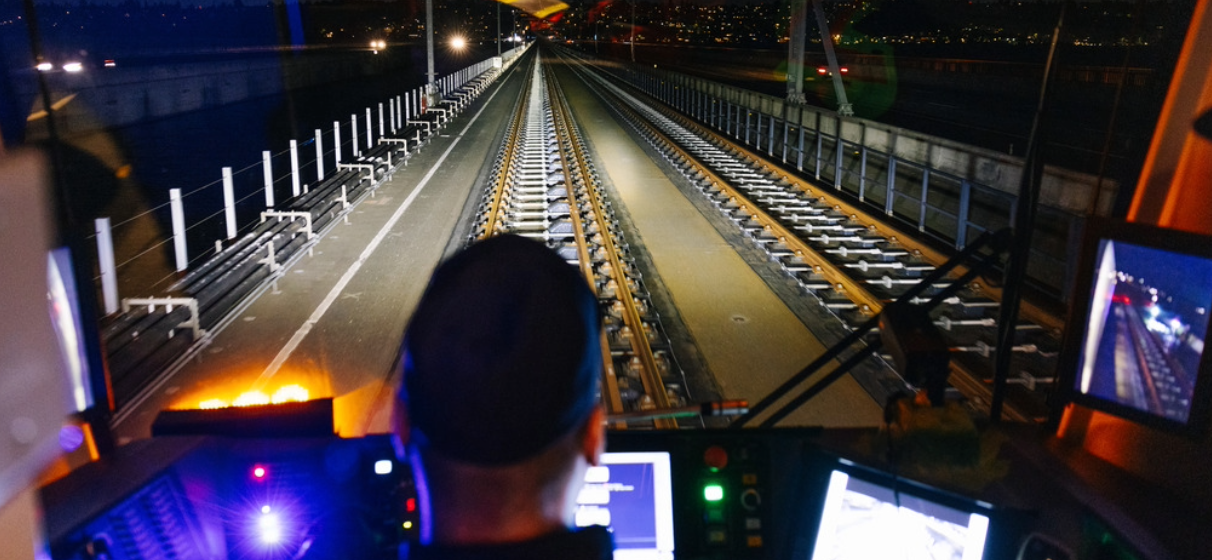
Live‑rail systems engineering was central to everything we did. We designed with constructability in mind from the start so modernization could occur without disrupting service, compromising safety or constraining contractor workflows, reducing operational uncertainty throughout construction and transition.
Working closely with the owner to understand operating restrictions, outage windows and contractor means and methods informed design decisions throughout the program. Those decisions weren’t just about getting construction done – they were about protecting system reliability, safety and the rider experience while modernizing critical infrastructure in place.
5. What broader lessons does this program offer for transit agencies and design build teams?
First, systems integration must be intentional, especially when traction power, SCADA and communications are evolving together. Decision velocity depends on systems clarity, not just collaboration.
Second, modernization in an active system requires trust among all parties (owner, contractor, designer) built around a shared “Project First” mindset.
Systems engineering means taking responsibility for how infrastructure actually operates and not just how it’s delivered. Whether we’re modernizing rail power, integrating control systems or supporting live operations, our role is to help agencies make confident decisions today while building systems that remain resilient, maintainable and adaptable well into the future.