The U.S. Chamber of Commerce’s Keep America Moving is a major national initiative focused on strengthening the transportation systems that underpin the nation’s economic competitiveness. As part of this effort, the Chamber will convene policymakers, industry thought leaders and business executives for the Keep America Moving Summit: a forum dedicated to exploring strategies to support America’s transportation network and keep pace with emerging technologies, innovative financing models and new approaches to delivering large-scale infrastructure projects.
Craig Cipriano, senior vice president and national director of zero-emissions mobility at STV, will be a key part of the firm’s delegation at the event, leading a session that offers insights from his experience at the New York Metropolitan Transportation Authority and from his current private-sector advisory role.
In this Q+A, Cipriano shares his perspective on the evolving smart mobility landscape and how STV is partnering with agencies nationwide to turn innovation into implementation.
1. As you prepare for the summit, what do you see as the most crucial mobility themes shaping this year’s national transportation dialogue?
What’s exciting – and urgent – about this moment is that agencies are actively asking how to deploy automated systems, where connected corridor investments have the greatest impact and what it truly takes to integrate zero-emission mobility at scale. This moment is not only technologically significant but also an opportunity for agencies looking to modernize with confidence and deliver safer, more connected, and more equitable mobility for the communities we serve.
At the federal level, early discussions around the next surface transportation bill are emphasizing safety technologies, digital infrastructure, private-sector partnerships and flexible funding mechanisms that help agencies experiment and modernize. At the same time, cities and states are pushing for tools that allow them to deliver safer streets, cleaner fleets and smarter operations: all while managing workforce pressures and aging infrastructure. As agencies evaluate how to integrate these tools, we’re seeing a clear through-line: leaders want solutions that strengthen operations today while positioning their systems for long-term resilience.
Our work brings all these threads together: policy, technology and the on‑the‑ground realities of implementation. That intersection is where STV helps clients move from ambition to action.
2. Your session focuses on scaling automation and connected corridors. What should cities and transportation agencies be thinking about as they evaluate these solutions?
The conversation around automation and connectivity must start with purpose. Connected corridor strategies can dramatically reduce crash risk by giving operators real-time visibility into traffic conditions, work zones and incidents. The purpose must always tie back to people – reducing crashes, improving reliability and giving agencies the information they need to operate confidently.
But none of that works unless agencies have the right data governance, cybersecurity, communications infrastructure and operational readiness. These systems aren’t just add-ons; they’re prerequisites.
Smart mobility upgrades are organizational transformations, not simply capital projects. Agencies need to consider everything from community engagement to staff training to long-term maintenance. That’s where firms like STV can help partners create actionable roadmaps rather than pursuing technology for technology’s sake. Our team helps partners build actionable roadmaps grounded in operational reality, ensuring technology is deployed with precision and intention – not as a standalone feature.
3. Looking ahead, what do you hope participants take away from the Keep America Moving Summit?
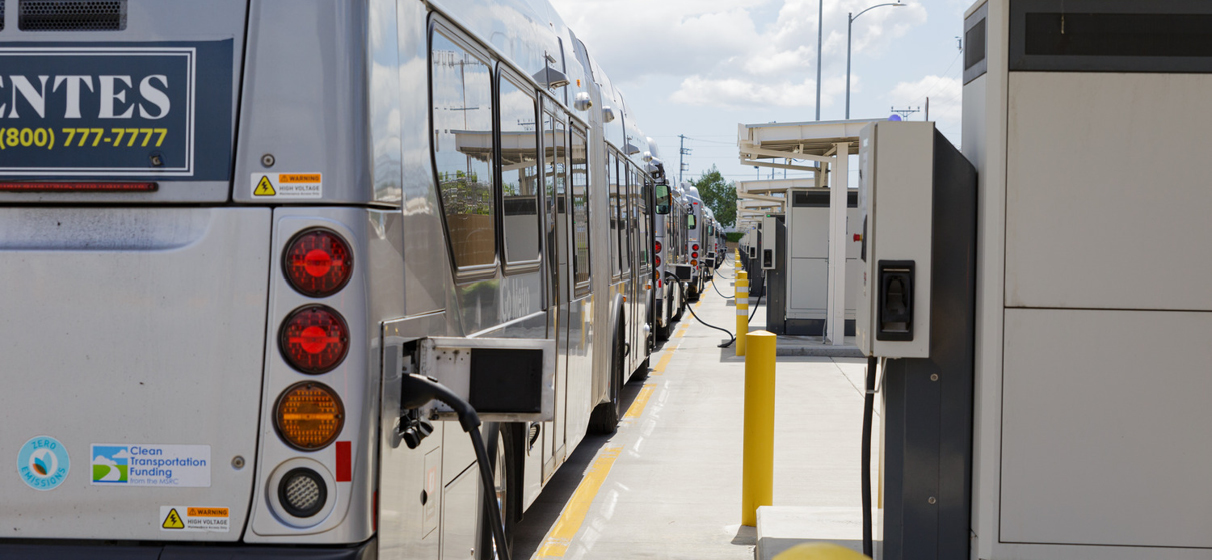
My hope is that leaders leave with a renewed understanding that smart mobility is not a future aspiration: it’s a present imperative. Automation, connectivity and electrification are already transforming how goods move, how people travel and how cities operate. These advancements ultimately shape how communities move and thrive.
To further mature these evolving technologies, continued federal support and funding are required.
Ultimately, this is about building transportation systems that are safer, cleaner and support the economic competitiveness of our country. And it requires strong public and privatesector collaboration: the kind of partnership STV is committed to strengthening nationwide, working side-by-side with agencies to support long-term mobility goals.