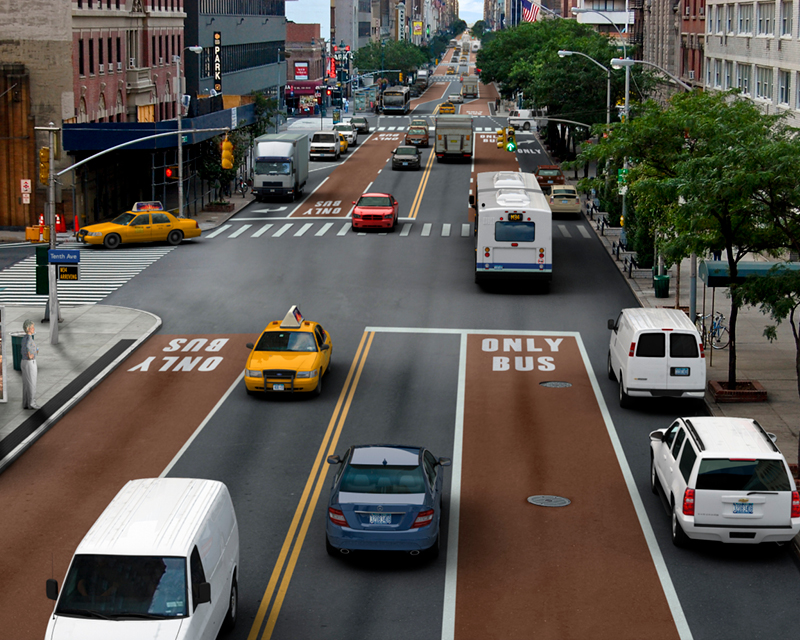
The Brooklyn Bus Network Redesign is a major initiative by the Metropolitan Transportation Authority (MTA) New York City Transit to improve bus speed, reliability and overall service quality for one of the city’s most transit-dependent boroughs. This comprehensive effort reimagined Brooklyn’s bus routes, stop spacing and service frequencies to better reflect today’s travel patterns and modern mobility needs for approximately 625,000 daily riders.
What challenges did STV address?
Brooklyn’s previous bus network struggled with slow travel speeds, outdated route structures and shifting ridership demands – issues that were further complicated by the significant impacts of the COVID‑19 pandemic. STV evaluated existing operating conditions, analyzed performance data and helped the MTA understand how service patterns had changed across neighborhoods. The project required balancing technical analysis with a robust public engagement process to ensure the redesign reflected community priorities.
What solutions did STV deliver?
STV supported the planning study by developing a comprehensive suite of analytical tools and conducting detailed assessments of current and proposed bus operations. The team created an advanced yet intuitive spreadsheet model that allowed MTA staff to test “what‑if” scenarios, evaluate route modifications and adjust service frequencies based on projected ridership and performance metrics. This flexible tool became central to shaping a proposed network that met both community needs and operational goals.
How does this project benefit the region?
The redesigned network lays the foundation for faster, more reliable and more efficient bus service across Brooklyn. By modernizing routes, improving stop spacing and better aligning service with real-world travel patterns, the project enhances mobility for hundreds of thousands of New Yorkers. It also supports broader city initiatives to promote equitable access, reduce travel times and strengthen connections to jobs, schools and essential services.
Key stats and accolades
• Approximately 625,000 daily passengers served
• Comprehensive evaluation of existing and proposed operating conditions
• Custom service‑scenario modeling tool created for MTA
• Boroughwide network redesign reflecting post-pandemic travel patterns