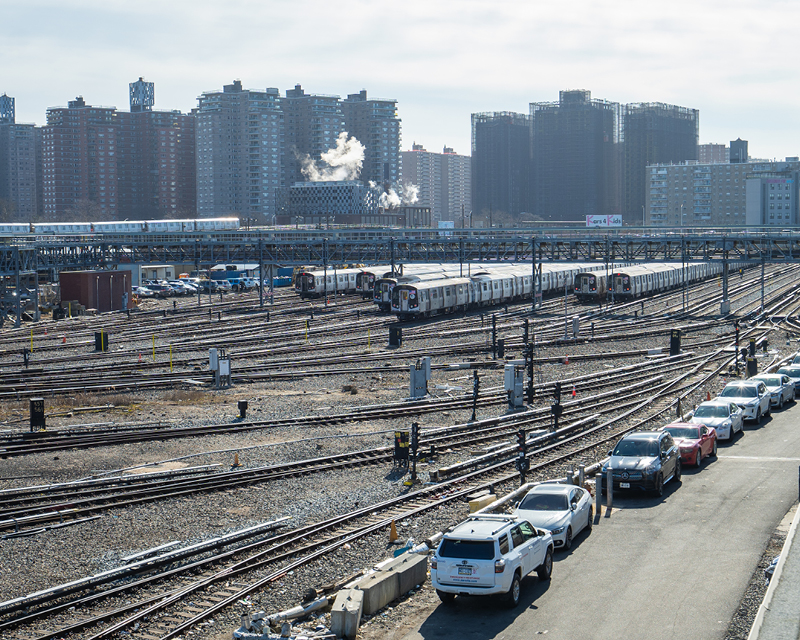
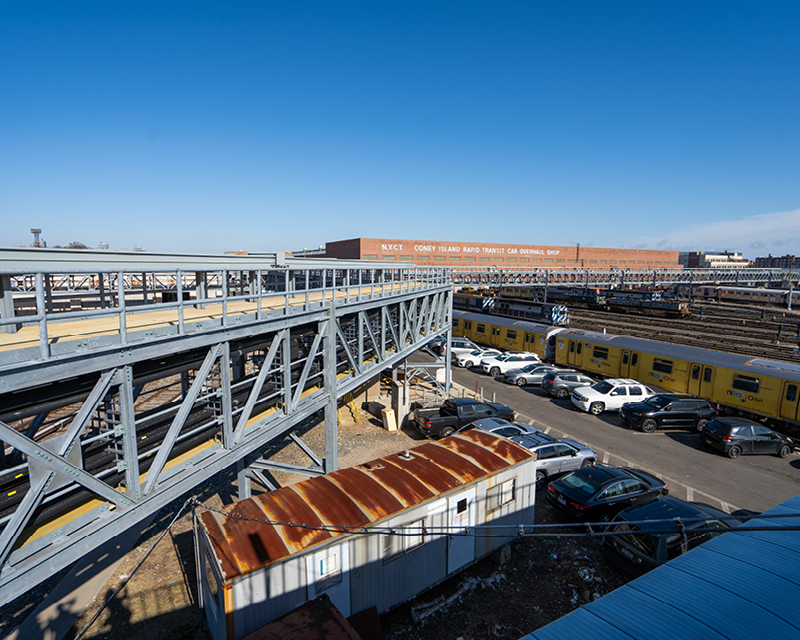
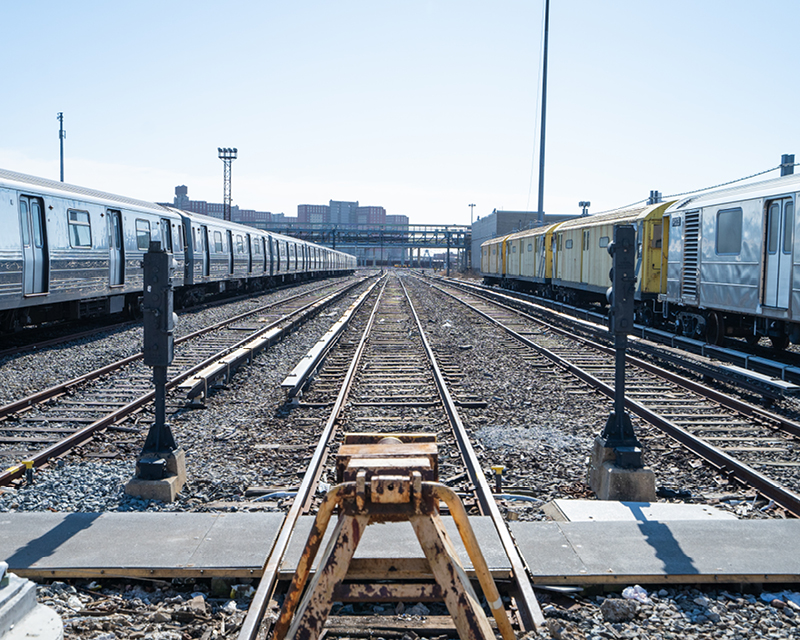
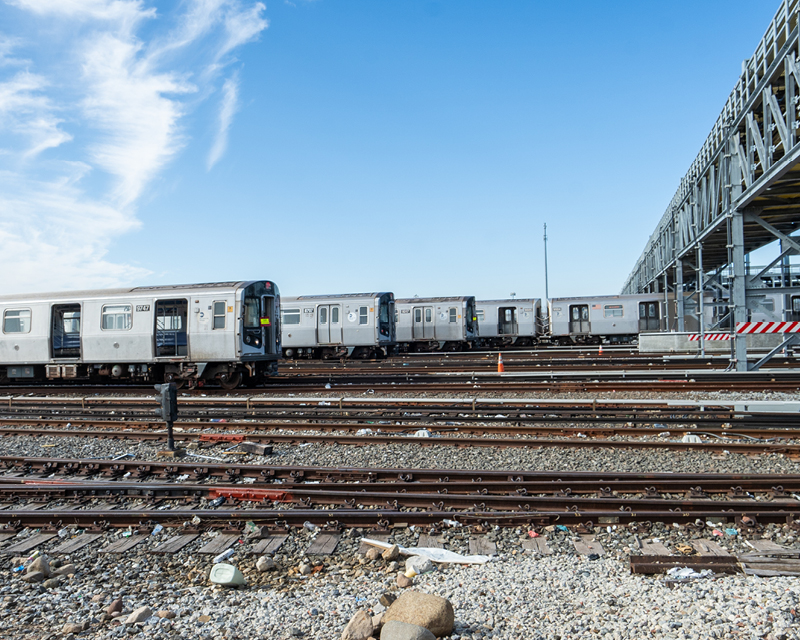
In the aftermath of Superstorm Sandy, New York City Transit’s (NYC Transit) Coney Island Yard – one of the largest rail maintenance and storage facilities in North America – suffered catastrophic flooding that eliminated more than 50% of its train storage capacity. As a critical link in the daily operation of the subway system, the yard required an urgent, comprehensive resilience strategy to protect service reliability for millions of riders. NYC Transit selected STV to assess the damage, plan recovery and design long‑term flood protection measures to safeguard the 74‑acre complex.
What challenges did STV address?
The yard’s location along South Brooklyn’s coastline left it highly vulnerable to storm‑driven flooding. NYC Transit needed immediate repairs to restore operations while also developing a robust, future‑focused resilience strategy. Protecting hundreds of railcars and vital infrastructure required large‑scale interventions within a densely built, active maintenance environment.
What solutions did STV deliver?
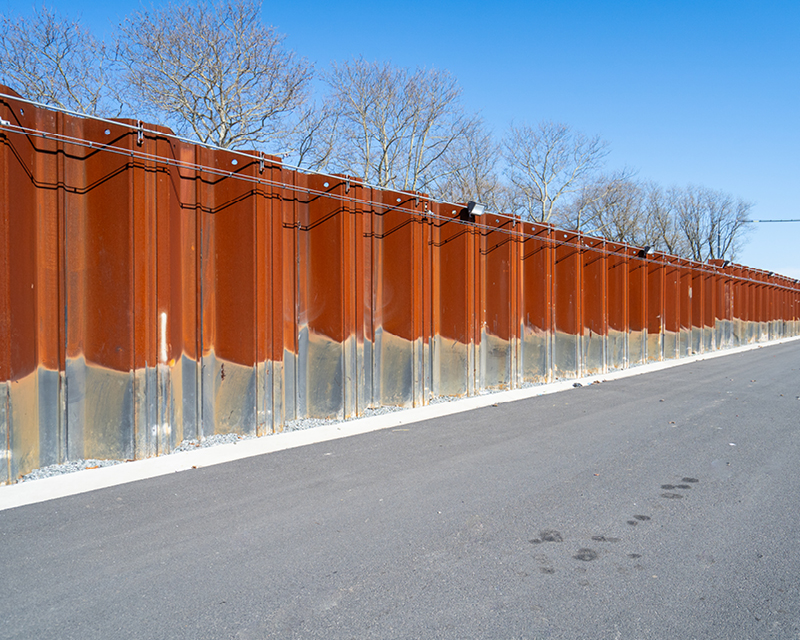
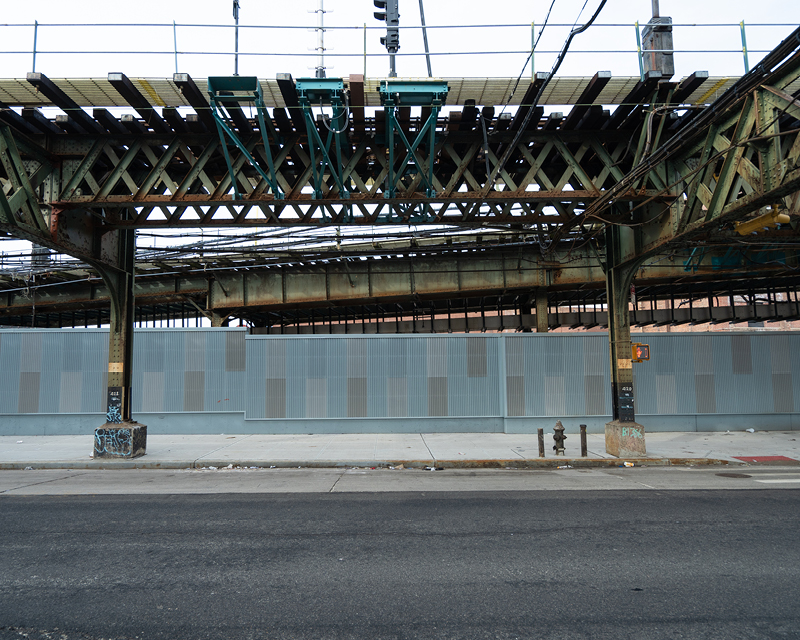
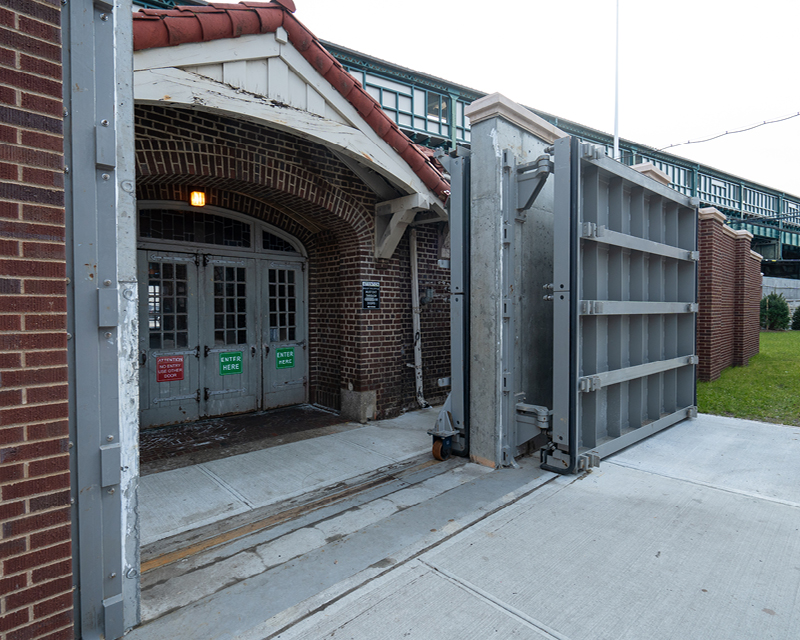
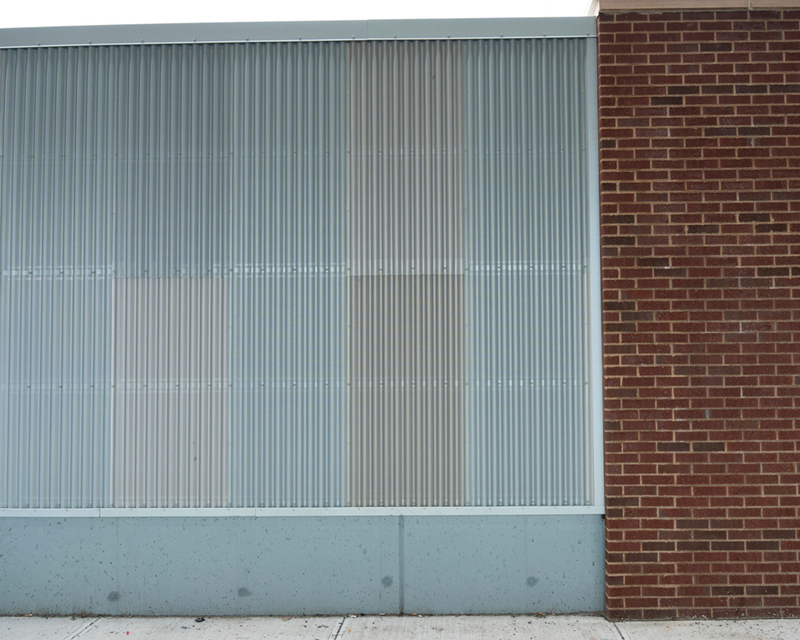
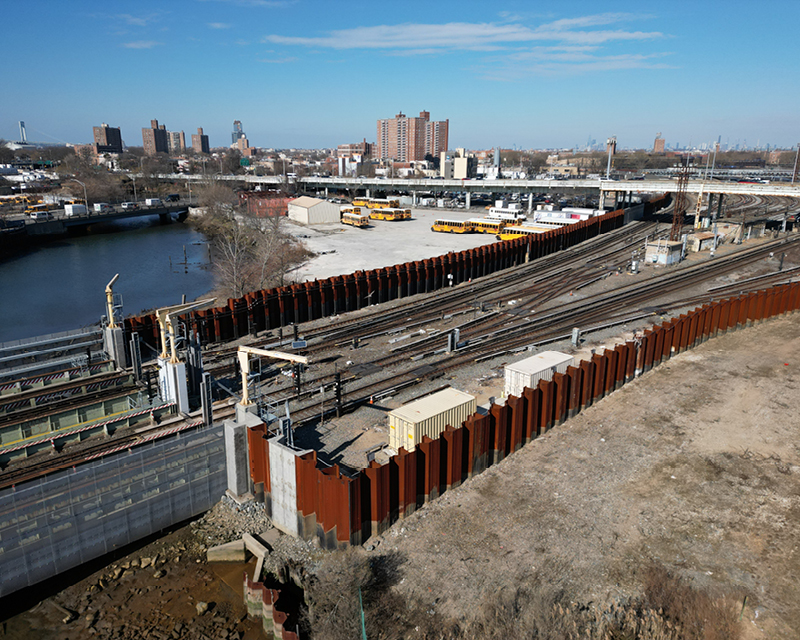
STV implemented a dual‑track approach: interim emergency repairs to restore train storage capacity and long‑term flood mitigation planning. STV designed a resilient system that includes a three‑mile flood wall, flood gates, underground water storage structures and pump pits, providing layered flood defense. The team also incorporated environmental, mechanical, structural and electrical engineering solutions to allow the facility to withstand future extreme weather events.
How does this project benefit the region?
The strengthened Coney Island Yard ensures uninterrupted transit operations during major storms, reducing service disruptions for millions of New Yorkers. By protecting a facility that services 800 railcars, STV’s work enhances systemwide reliability and reinforces NYC Transit’s climate resilience strategy.
Key stats and accolades
- 74‑acre facility
- 800 railcars serviced on site
- 3‑mile flood wall and integrated flood defense system
- Long‑term resilience improvements following Superstorm Sandy