As one of Virginia’s fastest‑growing cities, Chesapeake is experiencing rising demand for efficient, forward‑looking mobility options. To help guide its long‑term transit future, Hampton Roads Transit (HRT) and the City of Chesapeake launched the Connecting Chesapeake Study – an initiative dedicated to identifying a high‑capacity transit corridor that supports the city’s growth, strengthens connectivity and advances community resilience. STV partnered with HRT to deliver a comprehensive evaluation of potential transit modes and alignments to shape this vision.
What Challenges Did STV Address?
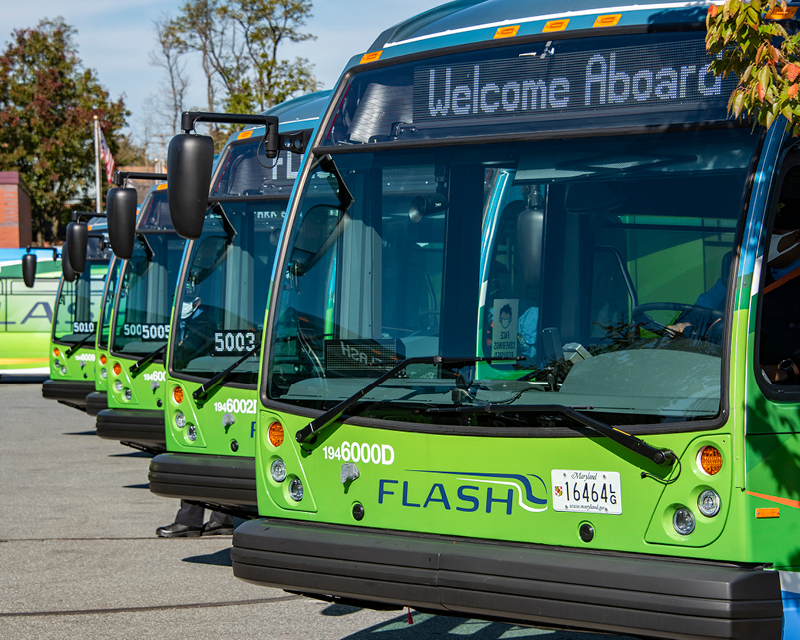
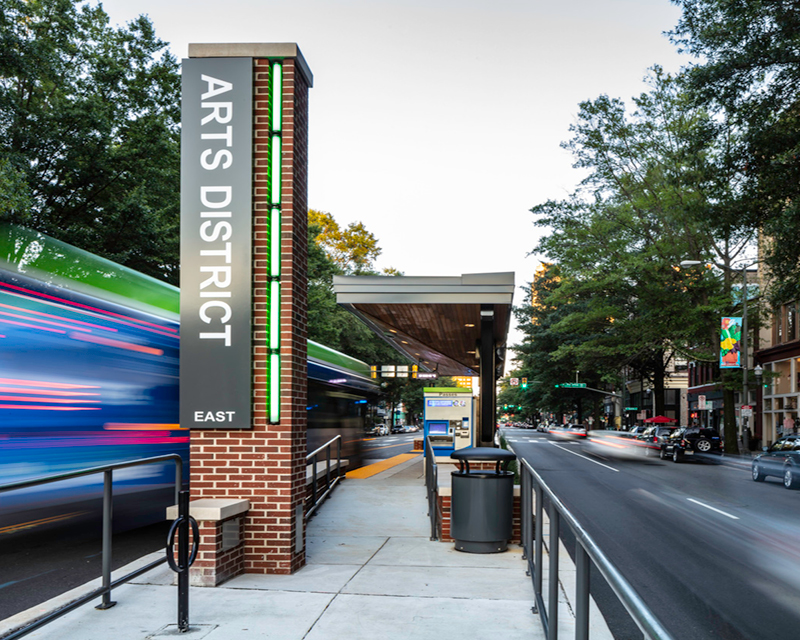
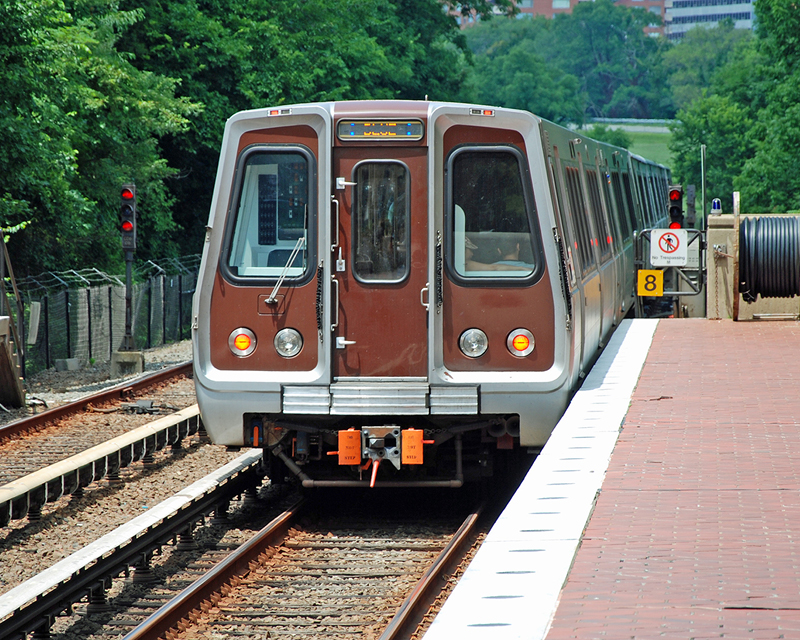
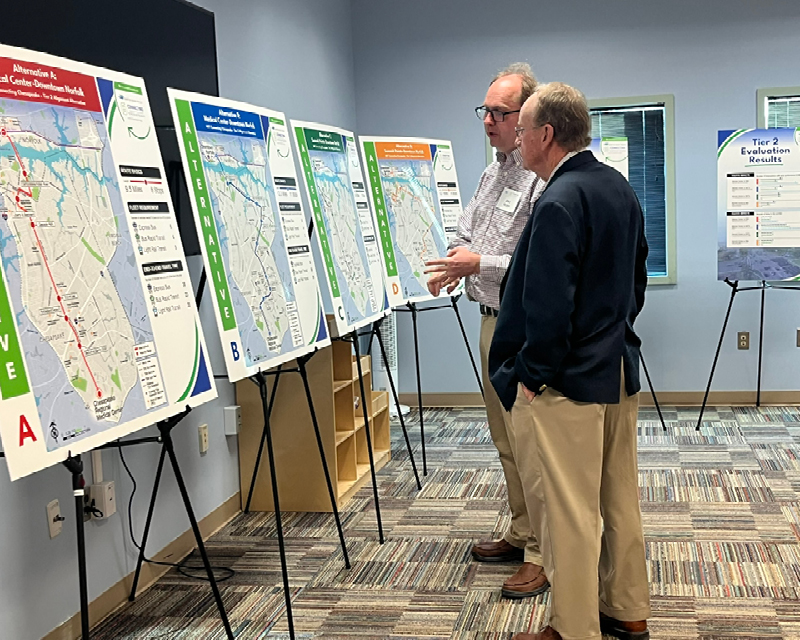
Chesapeake’s rapid expansion created a need for multimodal solutions capable of reducing congestion, improving regional mobility, and supporting sustainable development. The city required a data‑driven assessment of potential light rail, bus rapid transit (BRT), and express bus options that aligned with local land use, minimized impacts, and reflected community priorities. The challenge centered on narrowing a wide range of conceptual alternatives into targeted, feasible paths for long‑term investment.
What Solutions Did STV Deliver?
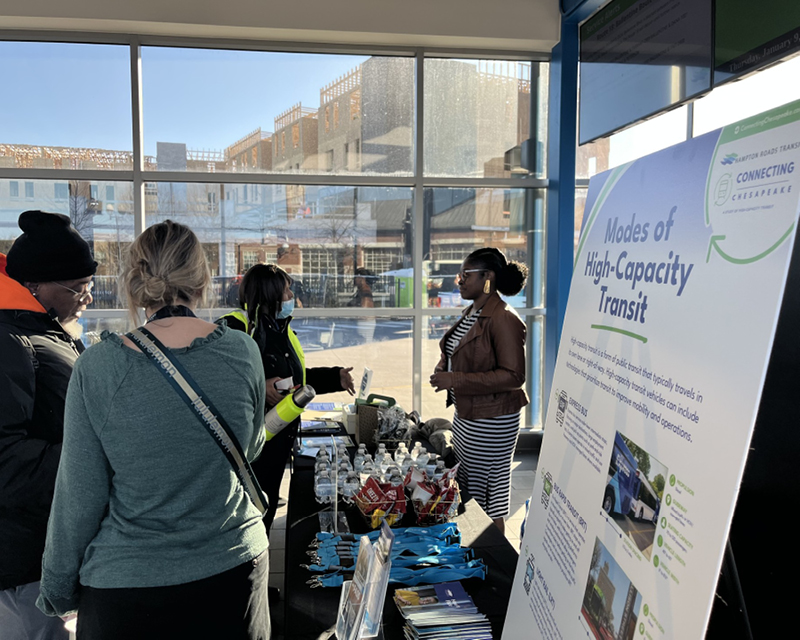
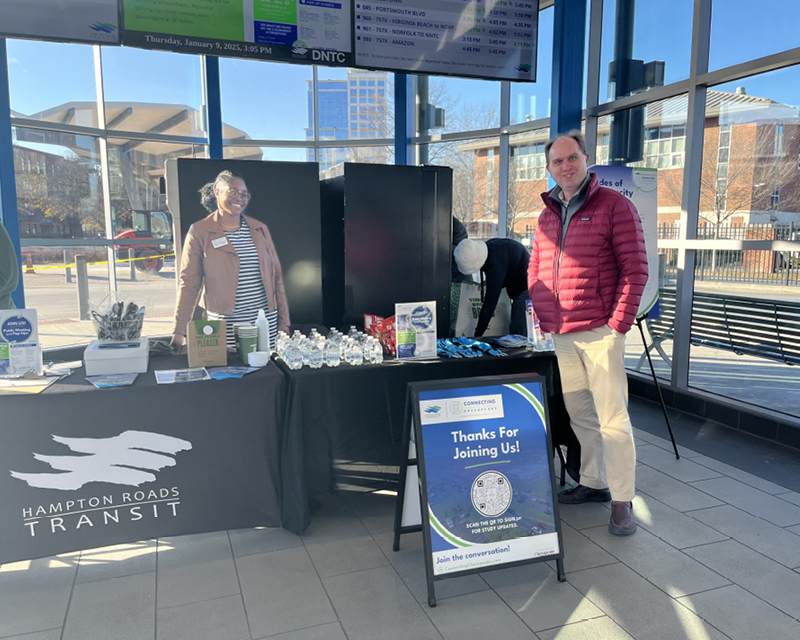
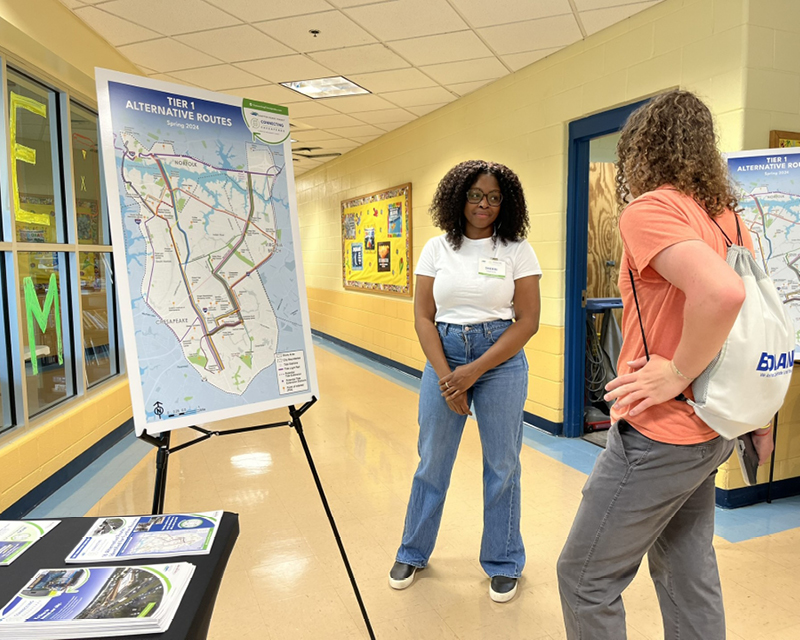
STV, working with HRT, led a rigorous two‑tier screening methodology to evaluate 16 initial corridor alternatives. The Tier 1 process identified four promising options, followed by an in‑depth Tier 2 analysis addressing ridership projections, right‑of‑way needs, traffic impacts, high‑level engineering concepts, cost considerations and land‑use compatibility. STV’s outreach and engagement strategies team also delivered a robust, people‑centered communications program including videos, public meetings, stakeholder interviews, community pop‑ups, employer outreach, virtual surveys, a project website and a coordinated social media campaign.
How Does This Project Benefit the Region?
The Connecting Chesapeake Study lays the foundation for a more connected, sustainable, and equitable transit network. By identifying two preferred high‑capacity transit corridors, the project strengthens regional mobility, supports economic growth and enhances access to jobs, education and services. The community‑driven approach ensures residents have a meaningful role in shaping the city’s transportation future.
Key stats and accolades
- Evaluation of 16 initial alignment alternatives, narrowed to two preferred corridors
- Assessment of LRT, BRT, and express bus modes
- Comprehensive Tier 1 and Tier 2 screening methodology
- Extensive public involvement: video updates, community pop‑ups, stakeholder interviews, virtual survey and more
- Supports Chesapeake’s vision as an economically strong, culturally diverse, and environmentally responsible city