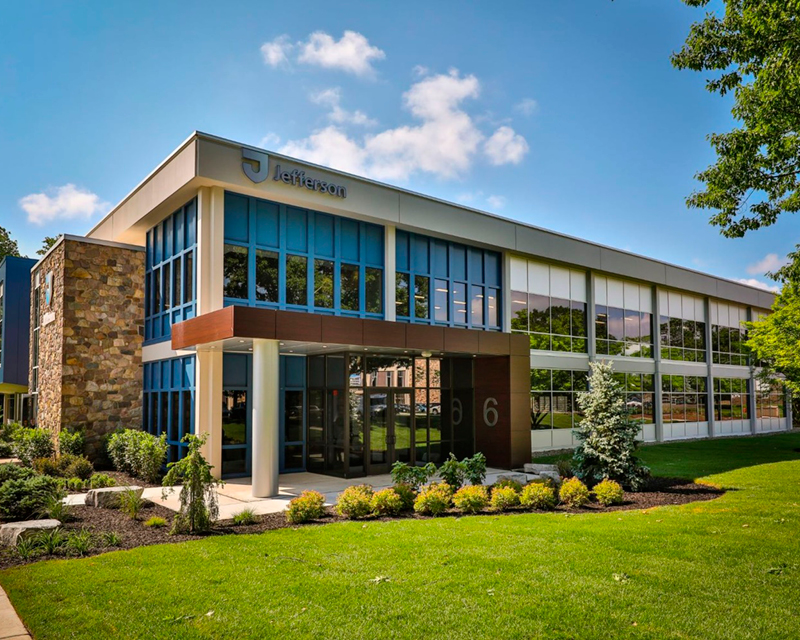
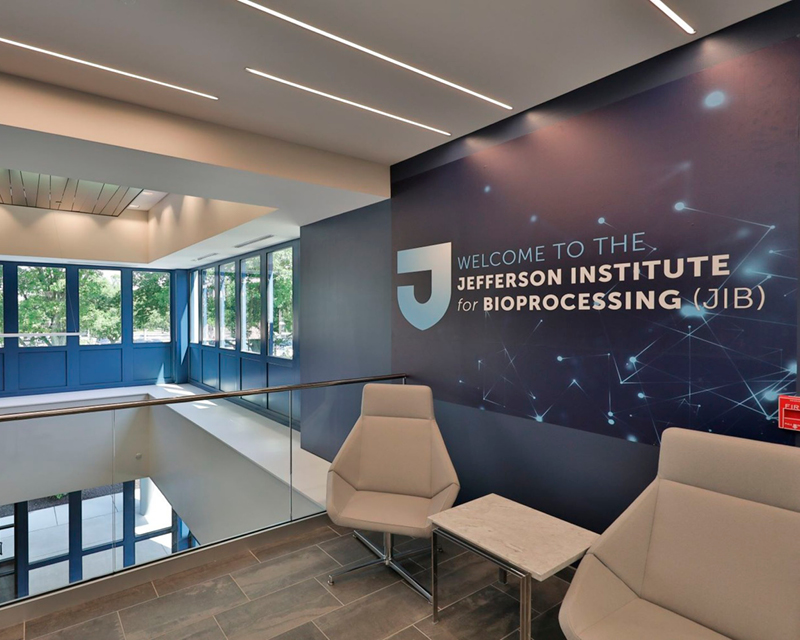
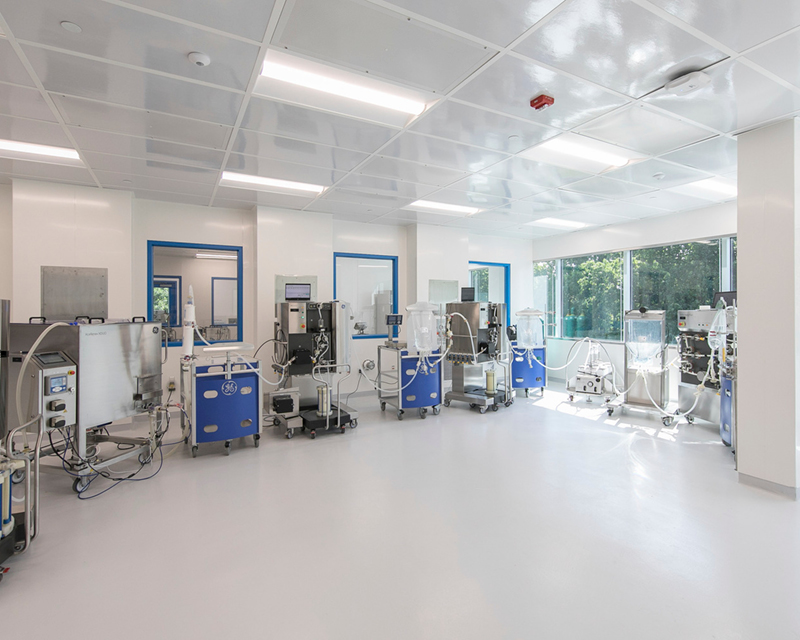
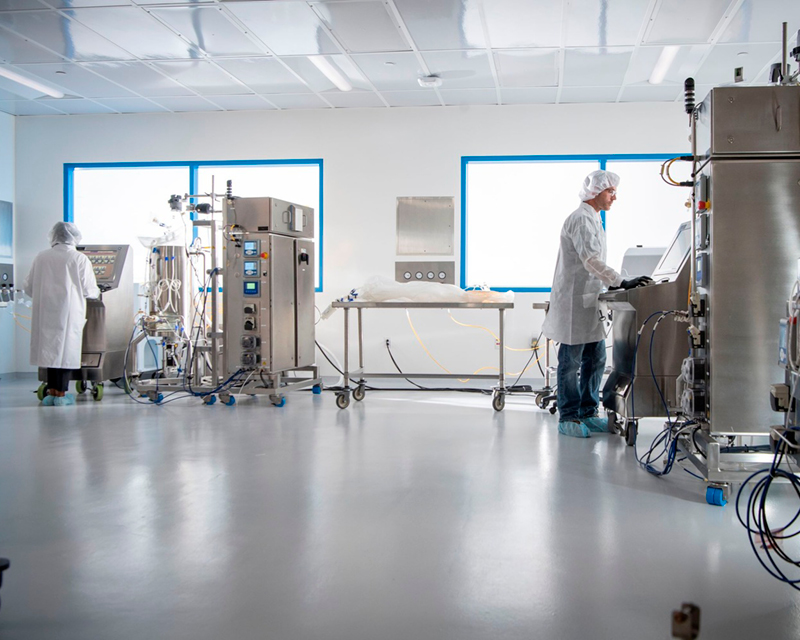
The Jefferson Institute for Bioprocessing (JIB), developed in partnership with the internationally renowned National Institute for Bioprocessing Research and Training (NIBRT), is North America’s first and only education and training institute dedicated to biopharmaceutical processing. To bring this world‑class program to life, Thomas Jefferson University and its developer transformed a 25,000‑square‑foot former chemical manufacturing facility in Lower Gwynedd, Pennsylvania, into a state‑of‑the‑art research and hands‑on training center. The resulting facility is one of only a handful worldwide capable of simulating commercial bioprocessing using single‑use technologies and NIBRT’s gold‑standard curriculum.
What challenges did STV address?
Creating a teaching and research environment for advanced bioprocessing required precise control over clean‑room conditions, robust HVAC strategies and power distribution capable of supporting high‑tech biopharmaceutical equipment. The project also needed a flexible, adaptive clean‑room suite to simulate a wide range of manufacturing processes – all within a fast‑track design and delivery schedule and a highly specialized regulatory environment.
What solutions did STV deliver?
As part of the developer’s design and delivery team, STV provided structural, mechanical, and plumbing engineering services, collaborating closely with NIBRT to ensure the facility met stringent clean‑room, air‑handling, electrical, and process requirements. The team designed quick‑disconnect utilities, mobile equipment layouts and flexible lab infrastructure to support evolving training needs. By guiding stakeholders through a compressed schedule and streamlining engineering coordination, STV helped reduce construction time and overall project costs – allowing the university to allocate more resources to specialized equipment.
How does this project benefit the region and industry?
JIB strengthens the biopharmaceutical workforce pipeline in the U.S. by providing industry‑aligned training in real‑world production environments. The facility accelerates innovation, supports partnerships among industry, academia and government, and enhances regional competitiveness in a fast‑growing sector focused on life‑saving therapeutics.
Key stats and accolades
- 25,000‑sf adaptive reuse of former chemical facility
- North America’s first education institute dedicated to bioprocessing
- Flexible clean‑room suite with quick‑disconnect lab utilities
- Specialized HVAC and electrical infrastructure for bioprocessing equipment
- Collaboration with NIBRT to meet global training standards