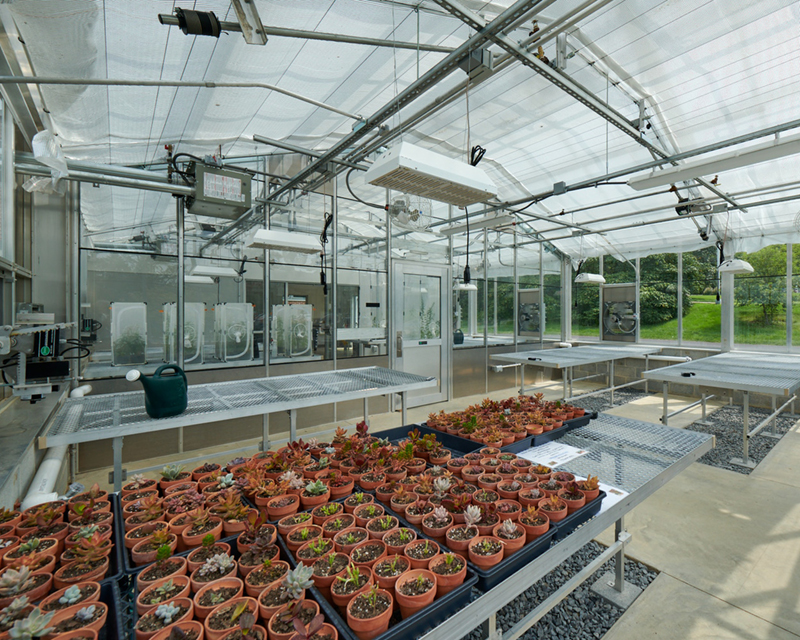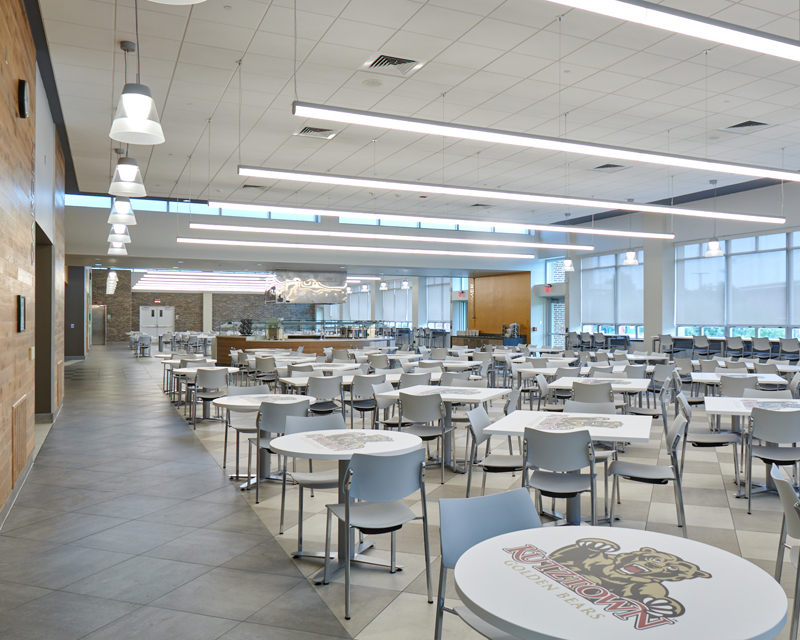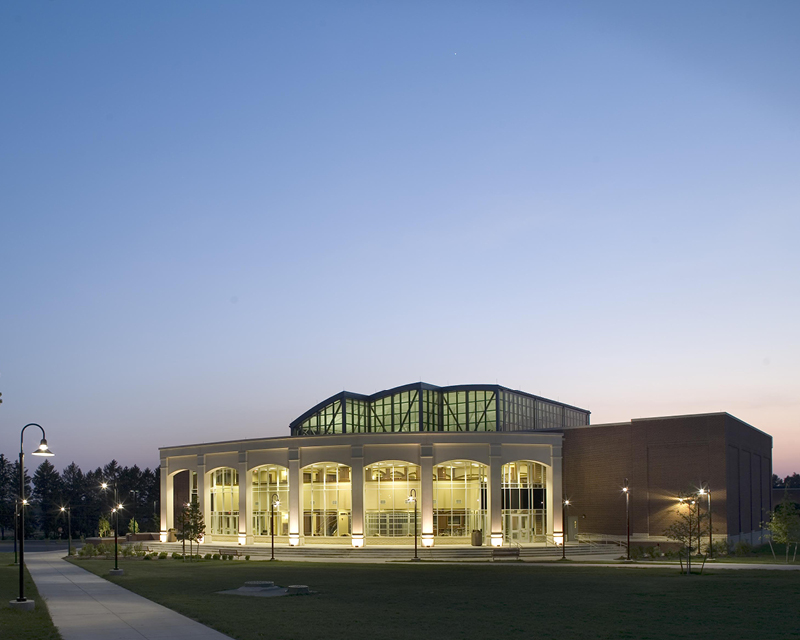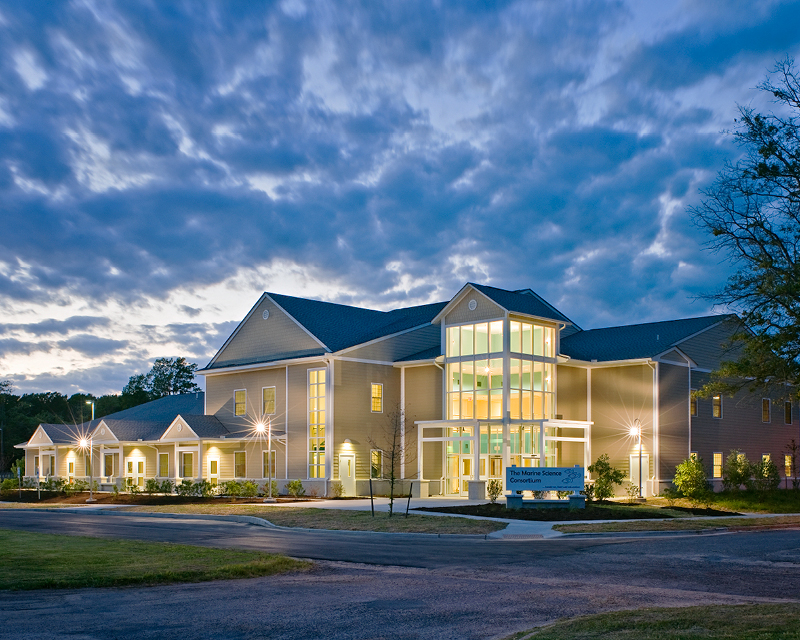
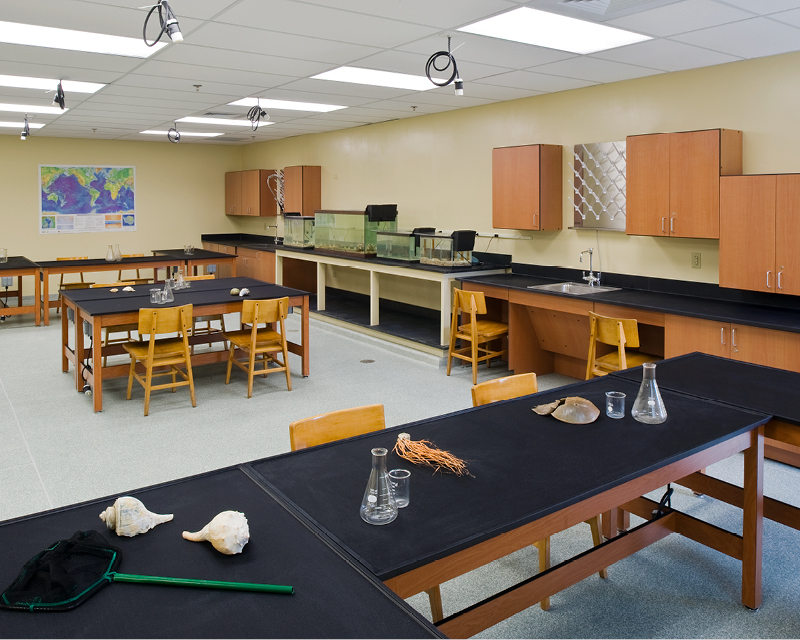
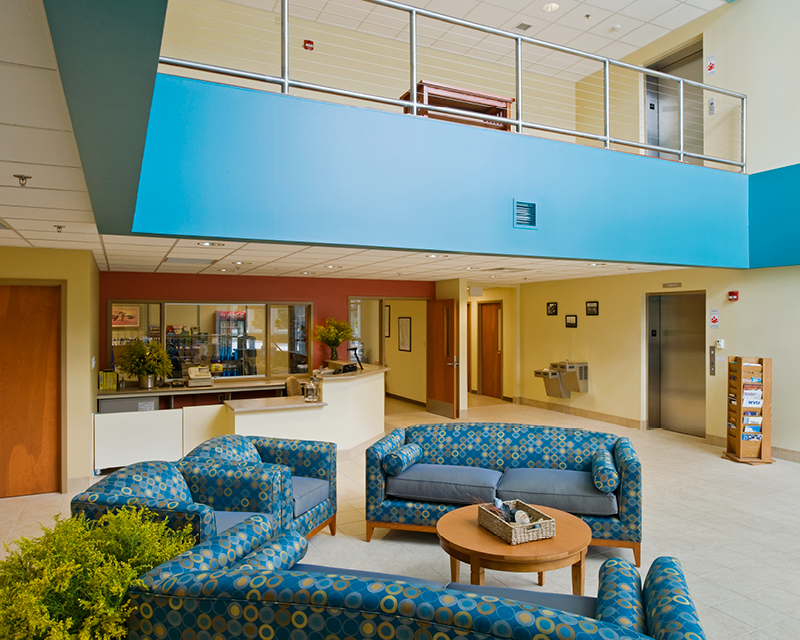
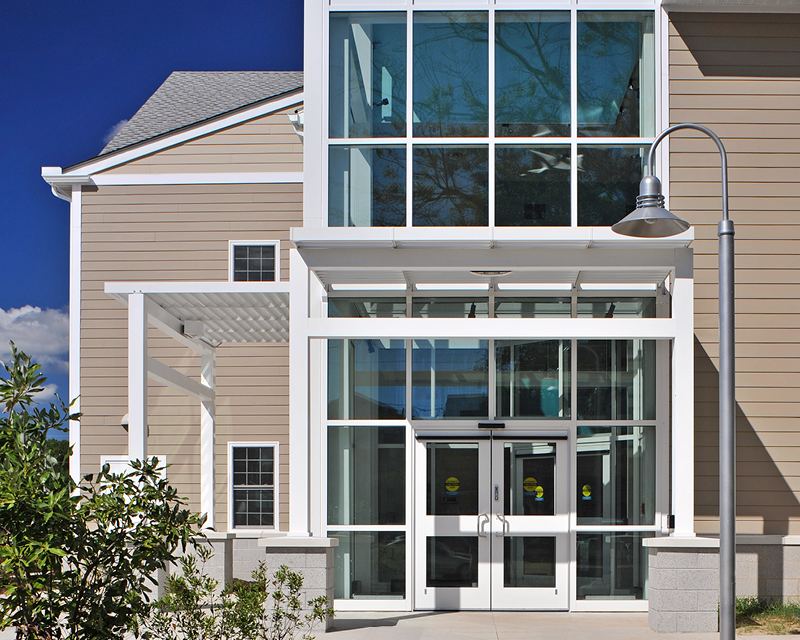
STV partnered with Kutztown University and three fellow Marine Science Consortium (MSC) charter institutions to redevelop the historic Chincoteague Bay Field Station in Wallops Island, Virginia. The aging 1940s-era complex required significant modernization to support evolving research, academic programming and residential needs. STV’s architectural and engineering team led the multiphase transformation, replacing outdated facilities with six new buildings, upgraded utility infrastructure and improved site amenities, creating a modern research and education hub for marine science exploration.
What challenges did STV address?
The field station’s deteriorating buildings, limited functionality and aging infrastructure could no longer support contemporary academic and research demands. Modernizing the site required demolishing 12 structures, careful phasing to avoid disrupting active laboratories and student housing and ongoing collaboration with multiple universities. The project also needed to incorporate sustainable design approaches while strengthening the station’s operational efficiency and long-term resilience.
What solutions did STV deliver?
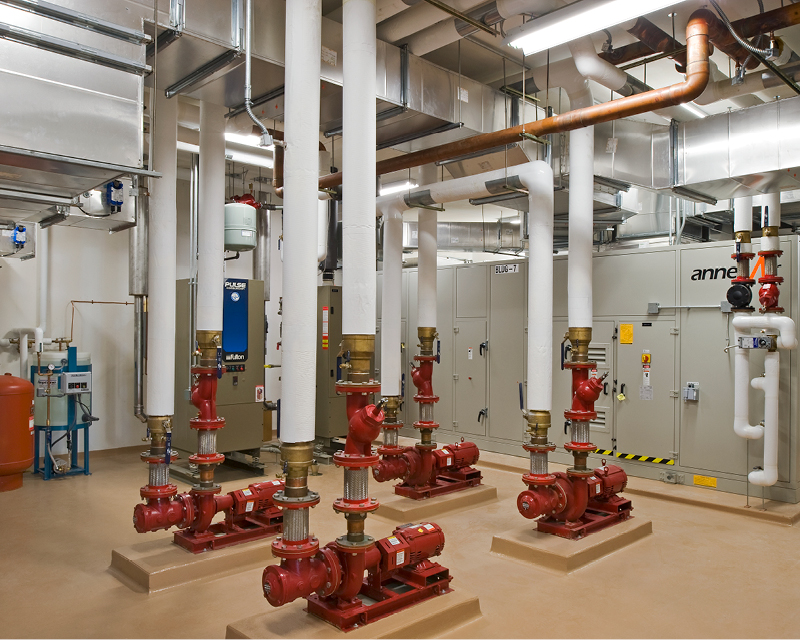
STV provided full architectural and engineering design services along with construction management throughout the four-phase redevelopment. New residential, academic, specialty laboratory and administrative buildings were introduced, supported by new utility systems and parking. The team integrated sustainable design features – energy‑efficient envelopes, high‑efficiency mechanical systems, occupancy‑sensor lighting and low‑flow plumbing fixtures. Native vegetation was incorporated into the landscape to eliminate irrigation needs and support environmental stewardship.
How does this project benefit the marine science community?
The redeveloped campus provides students, researchers and faculty with modern facilities that enhance field-based learning, scientific inquiry and collaboration. Improved living, teaching and research spaces strengthen the institution’s ability to attract and support marine science programs while advancing long-term environmental sustainability. The result is a resilient, future-ready field station that expands opportunities for discovery and hands‑on education.
Key stats and accolades
- 85,000 sf of new academic, residential, and research space
- Four-phase redevelopment with uninterrupted lab operations
- Sustainable design features including high‑efficiency systems and native landscaping