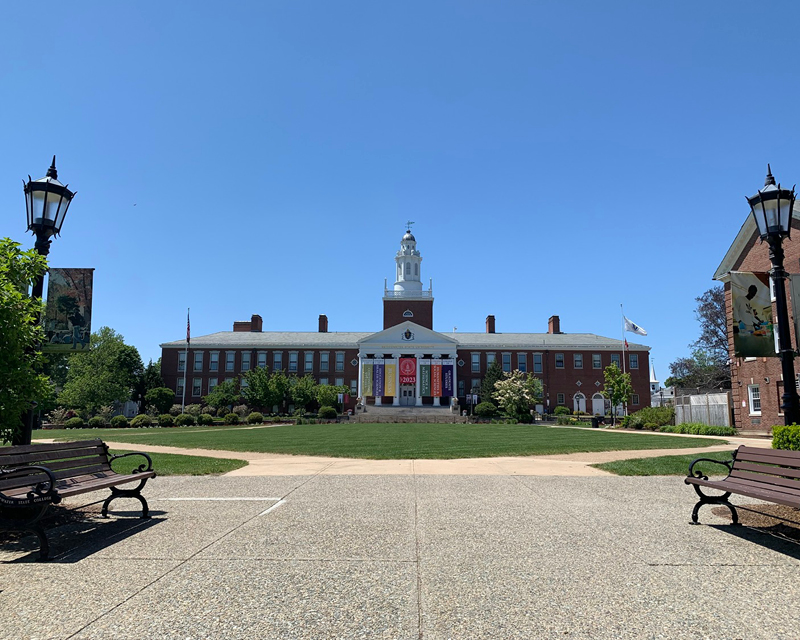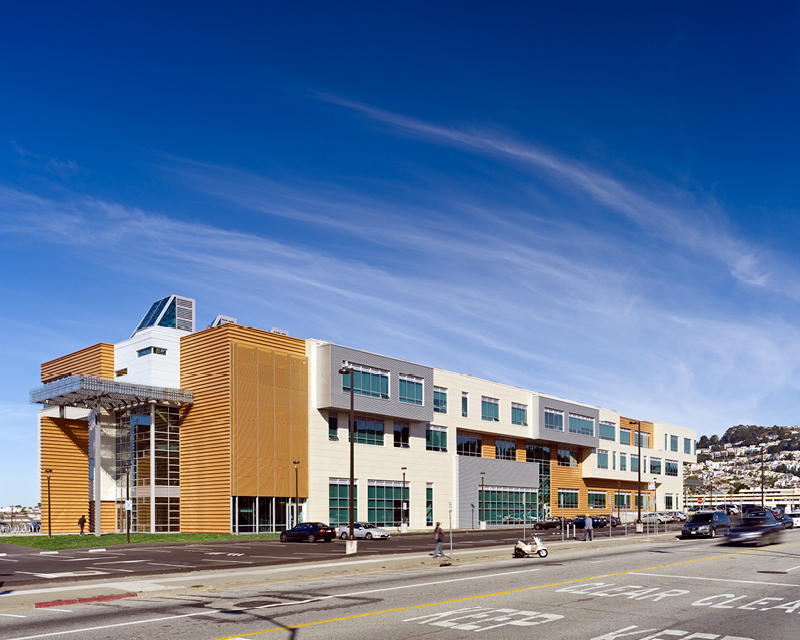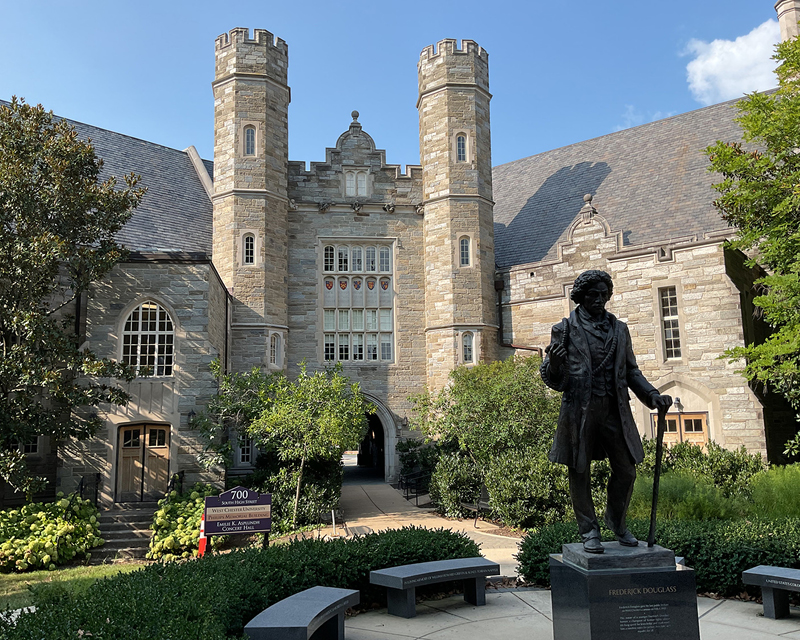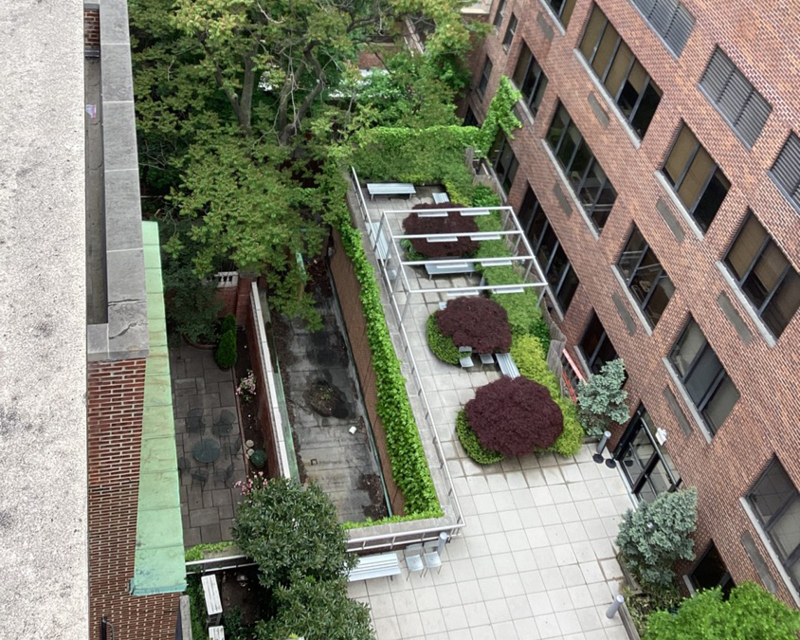
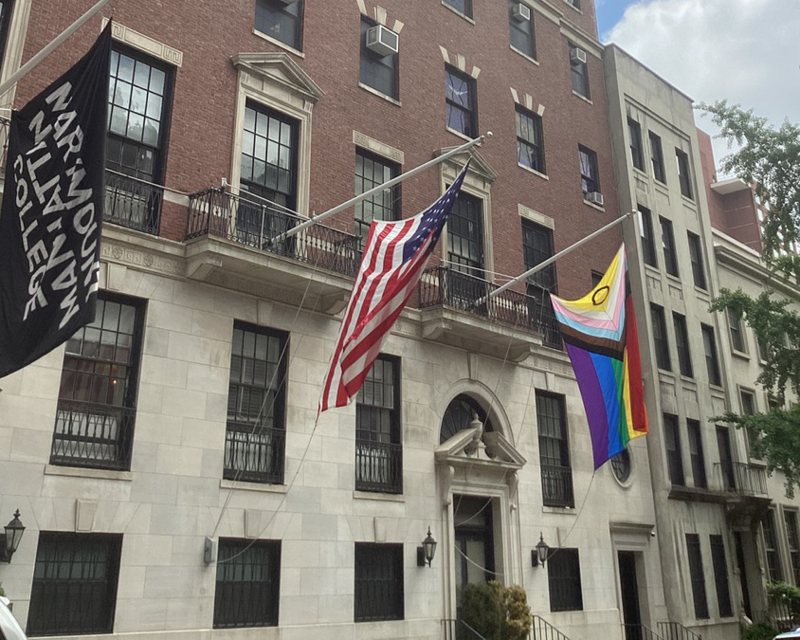
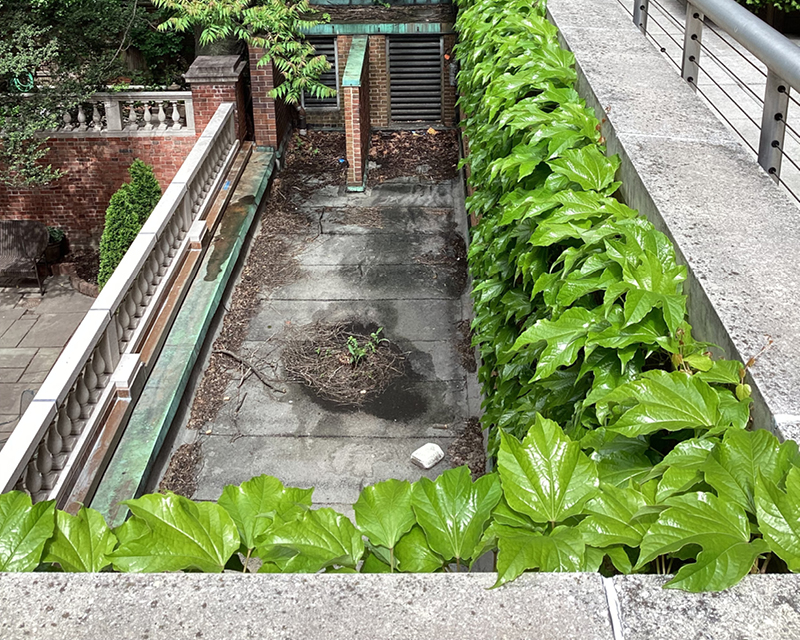
As part of Marymount Manhattan College’s merger with Northeastern University, STV conducted a comprehensive assessment of four New York City campus buildings to help the university understand the condition, code compliance, programmatic suitability and long‑term investment needs of its newly acquired facilities. The study evaluated administrative, academic and residential buildings to guide capital planning and support Northeastern’s vision for a growing presence in Manhattan.
What challenges did STV address?
Northeastern University required a clear understanding of the physical condition and long‑term viability of its inherited campus buildings following the merger. The challenge included evaluating diverse building types, identifying deficiencies, and determining the investments required to maintain the facilities in a state of good repair. Aligning the buildings with Northeastern’s programmatic needs and ambitious plans for its New York City campus required a systematic, data‑driven assessment approach.
What solutions did STV deliver?
STV’s multidisciplinary team, including architects, engineers and experienced inspectors, conducted detailed visual inspections and developed a customized assessment program. The team documented, rated and prioritized deficiencies, linking each issue to regional unit costs adjusted for market trends and escalation rates. STV’s digital advisory group supported the study by using Fulcrum to streamline field data collection and creating an interactive Power BI dashboard to analyze and filter assessment results. The team continues to collaborate with Northeastern, reviewing space utilization and developing strategies for phased improvements aligned with the university’s long‑term goals.
How does this project benefit the community?
The assessment provides Northeastern University with a clear pathway to modernize its New York City facilities, improving the quality, accessibility and functionality of campus spaces for students, faculty and staff. The study supports strategic decision‑making, efficient capital planning and the development of a strong urban campus that contributes to the vitality of its surrounding neighborhood.
Key stats and accolades
- Assessment of four academic, administrative and residential buildings
- Customized digital condition assessment using Fulcrum
- Interactive Power BI dashboard for analysis and cost modeling
- Prioritized deficiencies linked to regional construction costs