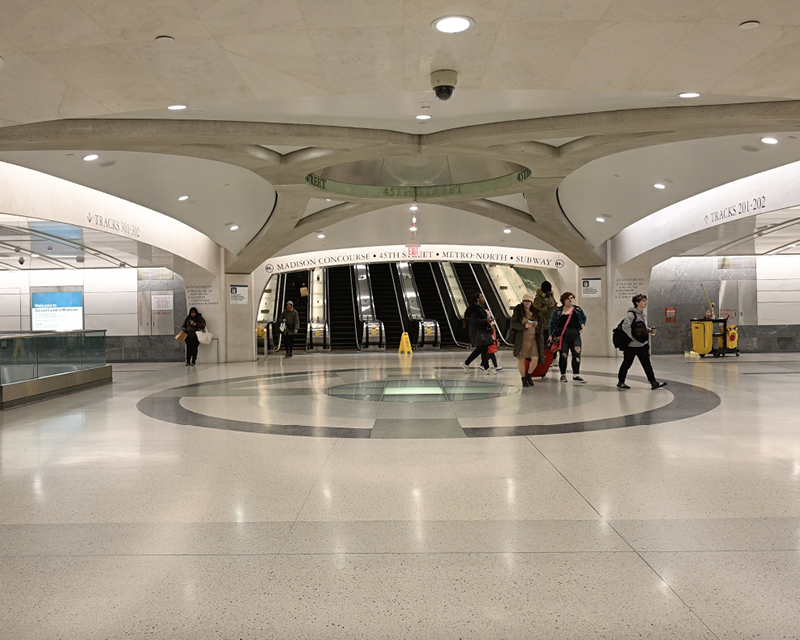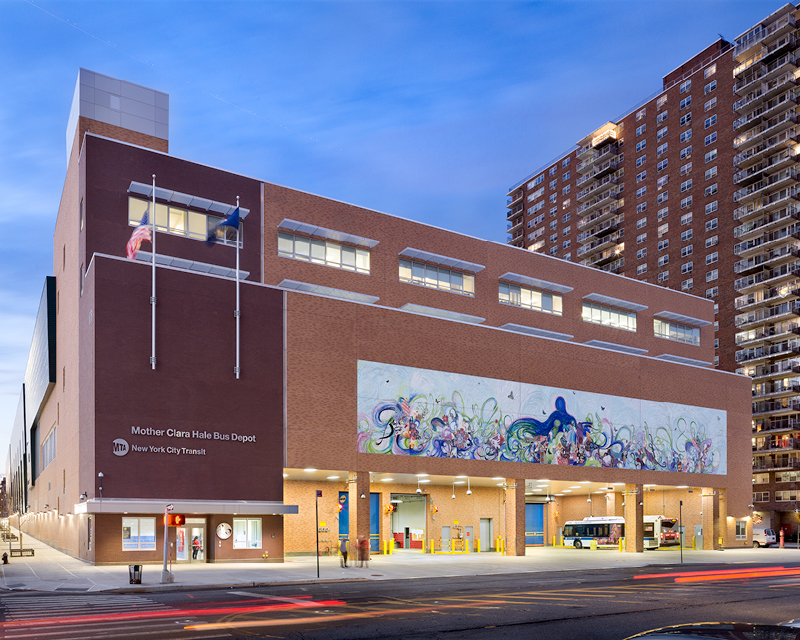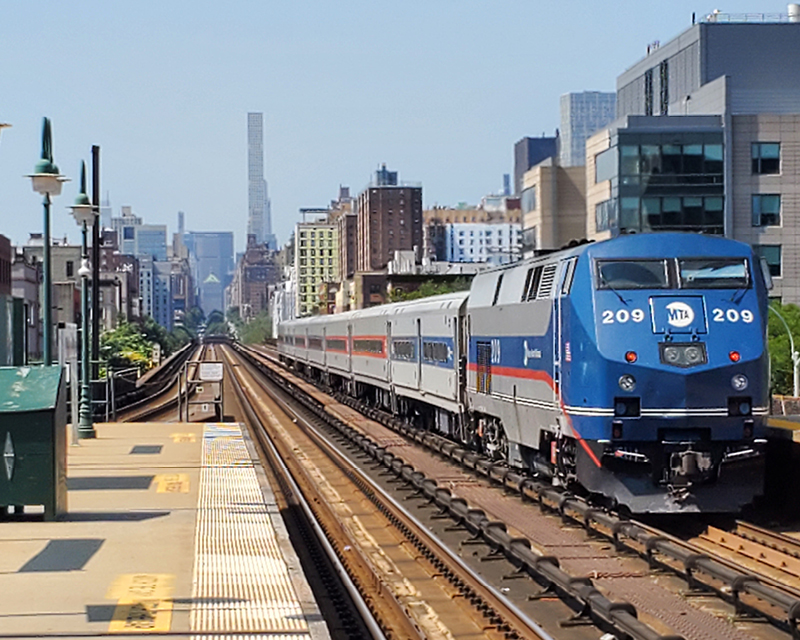
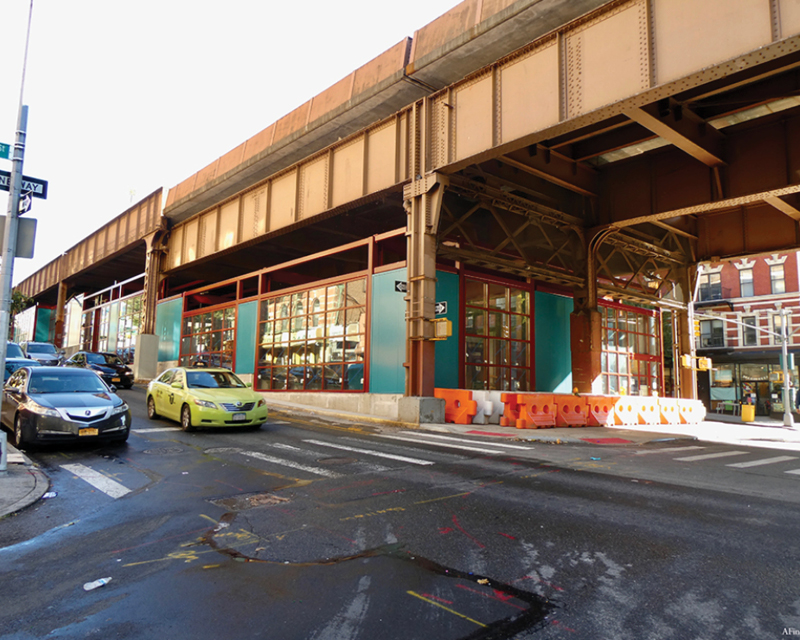
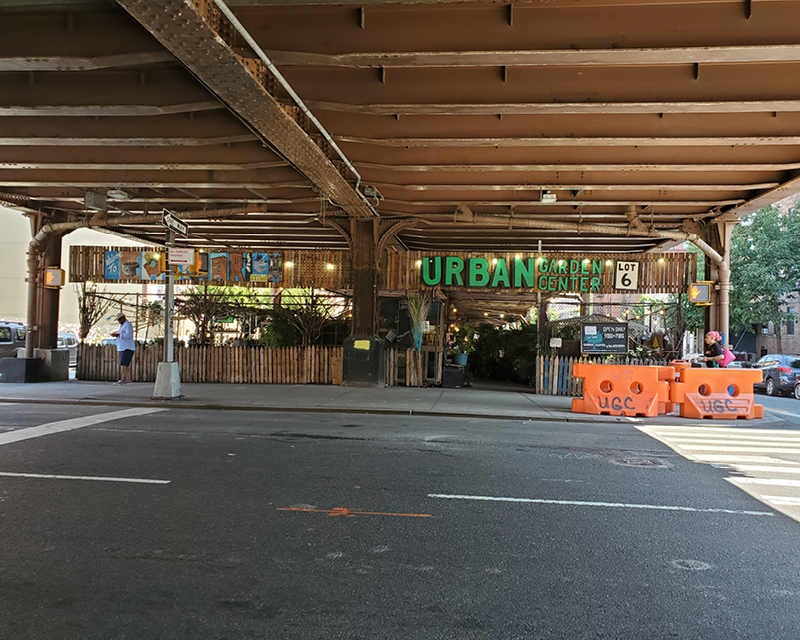
Built more than a century ago, the Park Avenue Viaduct is one of the most critical pieces of rail infrastructure in New York. Nearly 98% of all Metro‑North Railroad trains traverse the structure every day as they travel between East Harlem and Grand Central Terminal. With the viaduct showing significant signs of distress, the Metropolitan Transportation Authority prioritized its rehabilitation and replacement to maintain safe, reliable service on the busiest commuter rail system in the nation. Metropolitan Transportation Authority Construction & Development selected STV to lead the environmental review effort, focusing on the consequential construction activities that would accompany this major infrastructure program.
What challenges did STV address?
The viaduct runs directly above an Environmental Justice community in East Harlem, where several cultural and community institutions are located beneath the structure. Rehabilitation would require temporary relocation of tenants and careful sequencing to minimize disruption. STV needed to coordinate NEPA compliance, conduct targeted community outreach and develop construction approaches that respected neighborhood needs while addressing urgent infrastructure conditions.
What solutions did STV deliver?
STV led the environmental review, managed NEPA coordination and provided oversight of the public outreach program. The team collaborated with Metro‑North to develop construction plans, phasing strategies and schedules that reduced community impacts and supported safe implementation. STV’s work helped advance the project through environmental clearance while documenting potential effects and identifying mitigation strategies.
How does this project benefit the region?
The replacement of the Park Avenue Viaduct will ensure continued reliability for hundreds of thousands of daily riders and safeguard a vital commuter and intercity rail artery. By addressing structural deficiencies and planning construction with sensitivity to the surrounding community, the project supports long‑term mobility, safety and neighborhood resilience.
Key stats and accolades
- Nearly 98 percent of MNR trains use the viaduct daily
- Structure originally built in 1919
- Comprehensive NEPA coordination and community outreach led by STV
- ACEC New York EEA recipient