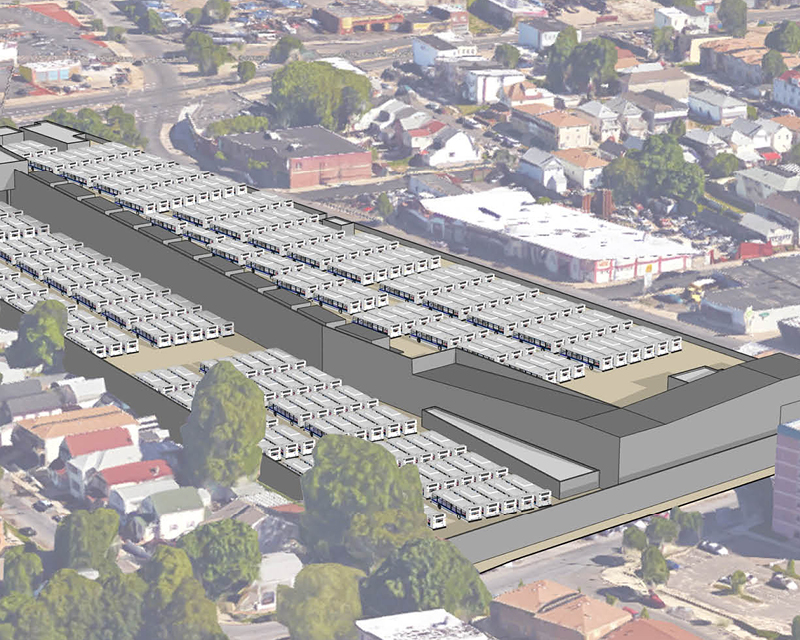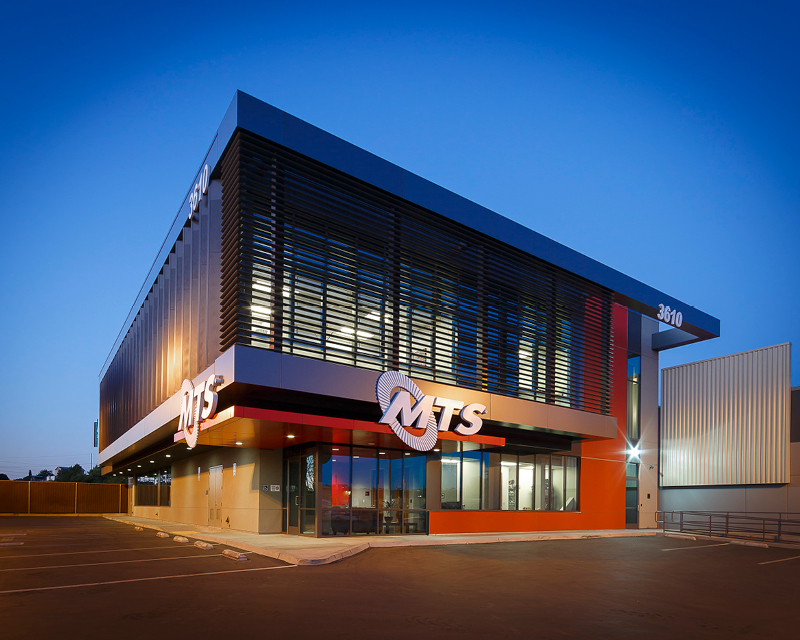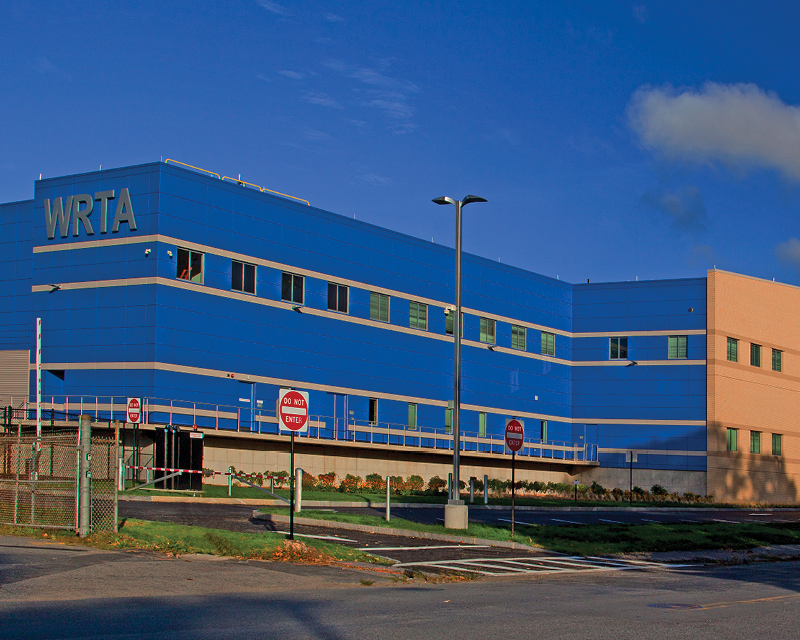
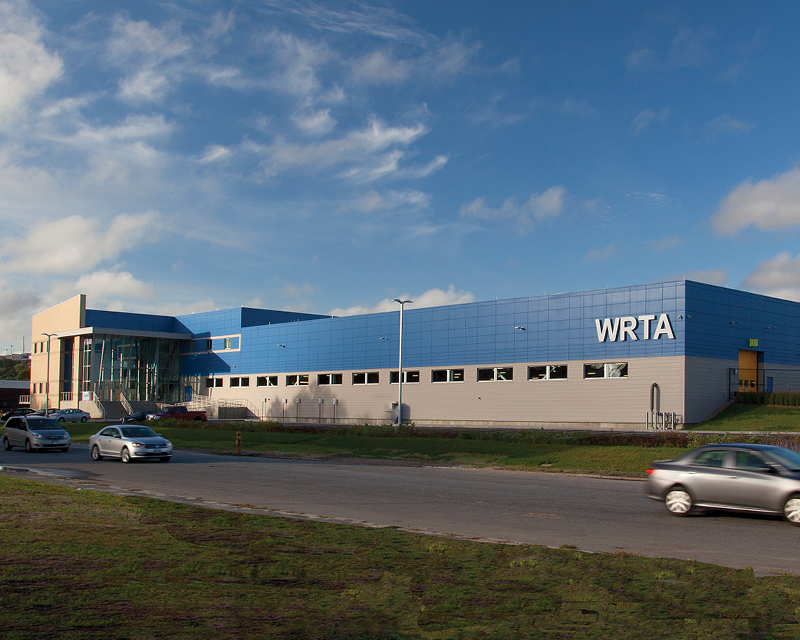
As the Worcester Regional Transit Authority (WRTA) continues to expand its fleet and transition toward fuel‑efficient, low‑emission bus technologies, the agency required a modern, purpose‑built facility to support its growing operational needs. STV delivered comprehensive architectural and engineering design services, along with industrial, traffic, environmental, geotechnical, and landscaping expertise, to create a new two‑story, 150,000‑square‑foot vehicle maintenance, operations and storage complex capable of supporting WRTA’s evolving fleet.
What challenges did STV address?
The WRTA needed a larger, more advanced facility to house and maintain an expanded fleet that includes 52 buses, 28 vans and numerous non‑revenue vehicles and equipment. The challenge involved accommodating increased capacity, modern maintenance functions, efficient circulation for staff and vehicles, and safer, more sustainable operational workflows – all while supporting a workforce of 155 employees.
What solutions did STV deliver?
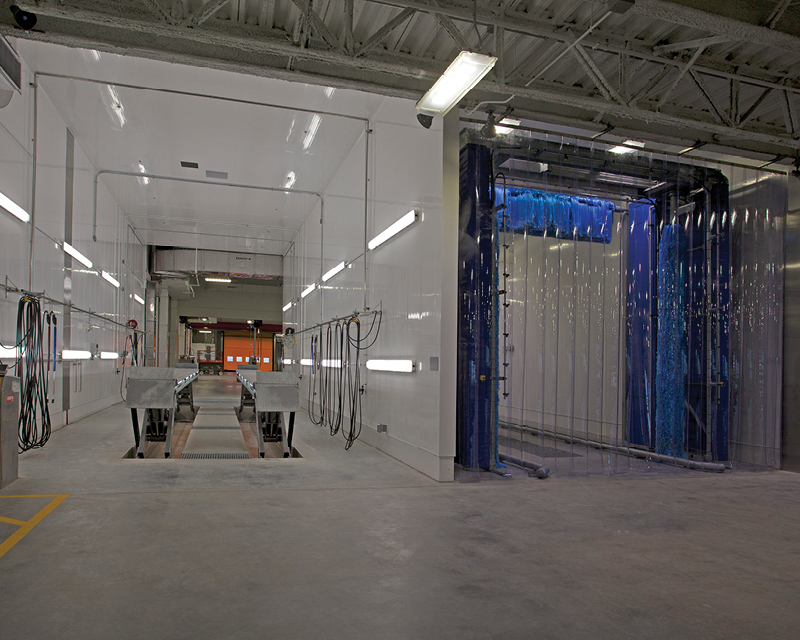
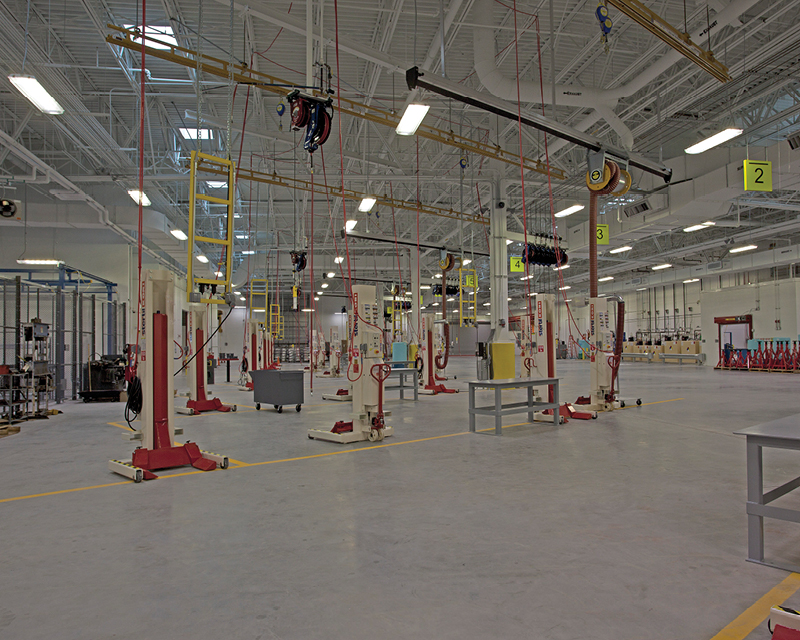
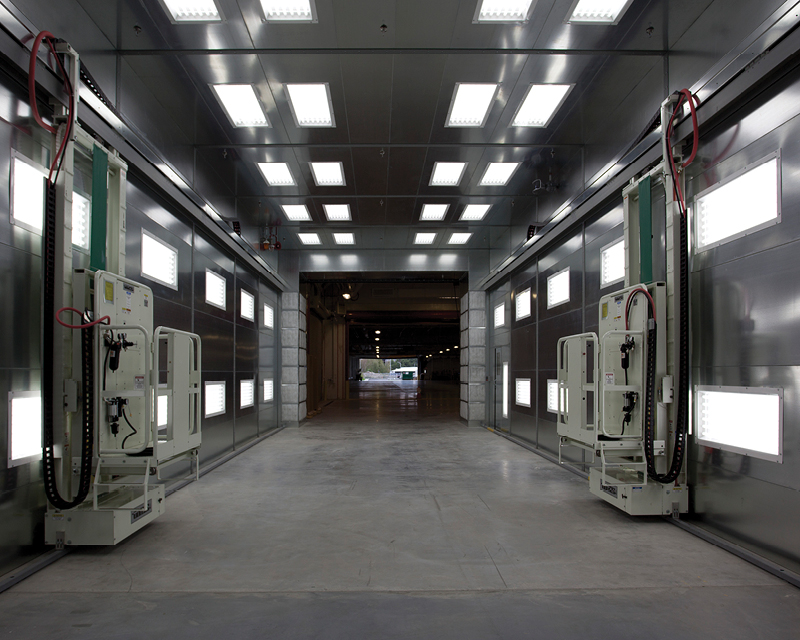
STV designed a flexible, future‑ready facility that integrates advanced maintenance bays, streamlined operations spaces, efficient vehicle storage layouts and upgraded mechanical, electrical, plumbing and fire‑protection systems. The team also incorporated environmental and geotechnical considerations, industrial engineering principles for improved workflows and landscaping enhancements to support site functionality and community integration.
How does this project benefit the region?
By providing the WRTA with a state‑of‑the‑art centralized hub, the project strengthens fleet reliability, enhances service efficiency and supports the agency’s shift toward cleaner, more sustainable transportation options. The facility improves working conditions, operational safety, and long‑term resilience, ultimately benefiting riders across Worcester and surrounding communities.
Key stats and accolades
- 150,000 sf facility
- Capacity for 52 buses, 28 vans, and non‑revenue vehicles
- 155 employee workspaces
- Supports adoption of low‑emission fleet technologies