Across the country, planners, transportation agencies and designers are navigating a demographic shift that is reshaping how communities move. By 2030, one in five Americans will be over the age of 65 – many seeking to age in place while staying connected to the people, services and routines that anchor daily life.
The reality is that aging in place depends on aging in motion: transit systems must support not just where people need to go but how they experience the journey itself. Those same conditions that empower older adults also benefit parents with strollers, individuals with disabilities, people recovering from injury and anyone who moves through the world at a different pace.
As cities rethink their systems with this broader lens, Bus Rapid Transit (BRT) has emerged as a practical, scalable way to deliver comfort, reliability and dignity directly at the street level. Through STV’s work on BRT systems nationwide, we’ve seen how thoughtful station design, predictable operations and integrated technology translate into confidence, independence and trust for riders of all ages and abilities.
Unlike traditional bus networks – where stop environments, boarding conditions and service reliability can vary block by block – BRT corridors introduce a consistent experience: ADA‑compliant station platforms; level boarding; enhanced lighting and shelter; real-time information; and wider, safer pedestrian zones that reduce friction for riders. Combined with dedicated lanes and reliable headways, BRT creates an experience that is easier to understand, easier to navigate and easier to rely on.
1. Predictable, Comfortable Stations
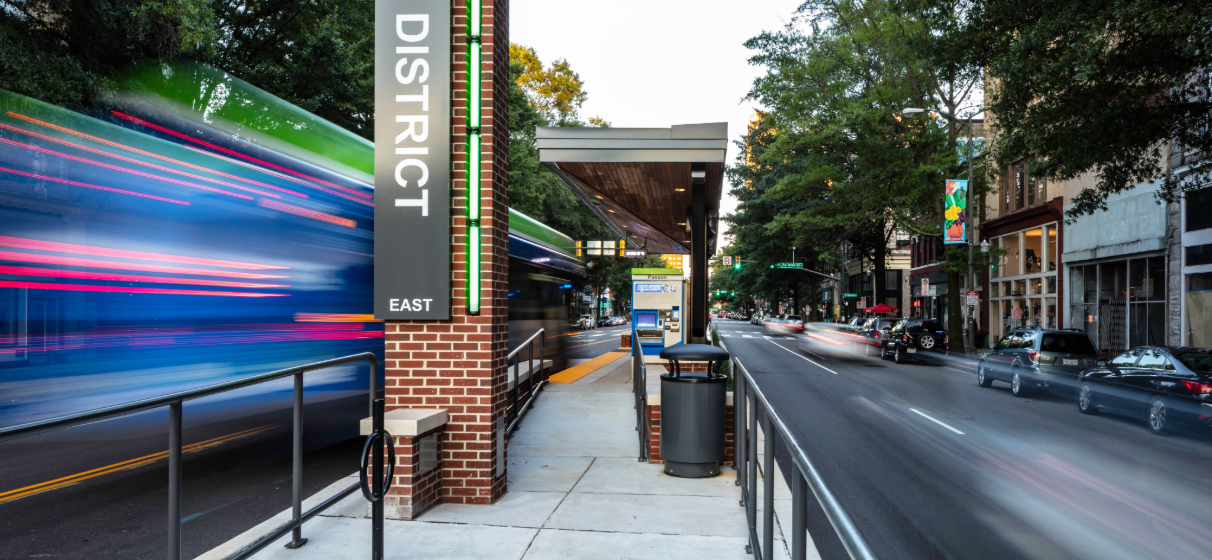
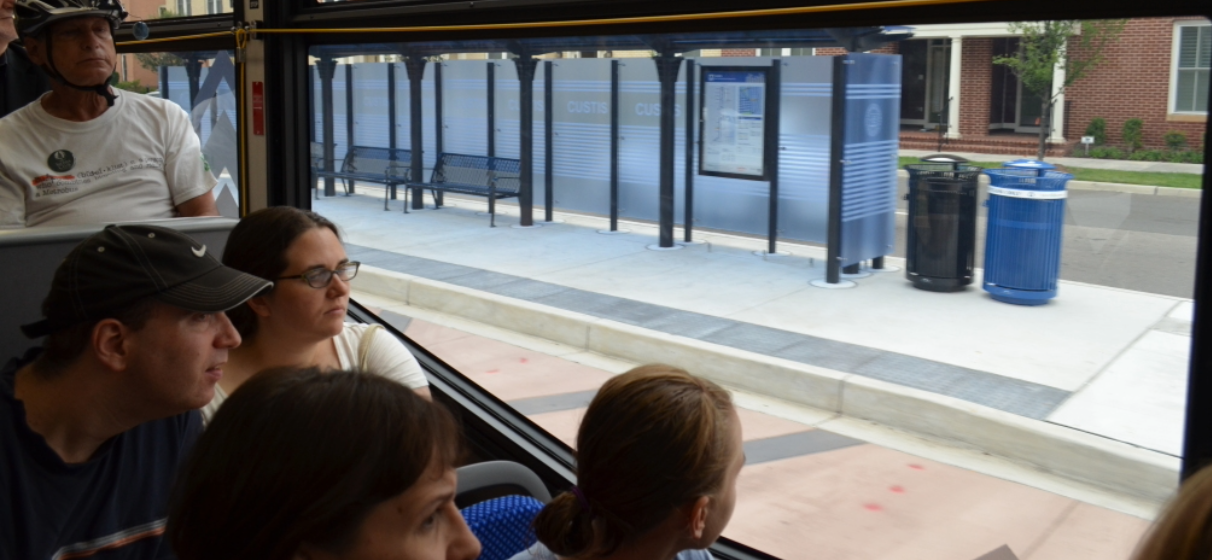
BRT stations can be designed to include level boarding, weather protection, seating, real‑time arrival information, wider platforms and better lighting – features that reduce uncertainty, conserve energy and support independent travel.
Projects like the Richmond Pulse BRT line in Virginia and CTFastrak New Britain-Hartford Busway in Connecticut show how consistent station design and level boarding remove daily barriers for older adults while creating a faster, more intuitive experience for every rider.
2. Fewer Stops, Better Service
While stop consolidation can increase walking distance, it significantly improves reliability. STV’s planning teams pair accessibility analysis with community engagement to balance speed, coverage and equity, with particular attention to neighborhoods that have historically faced limited mobility choices.
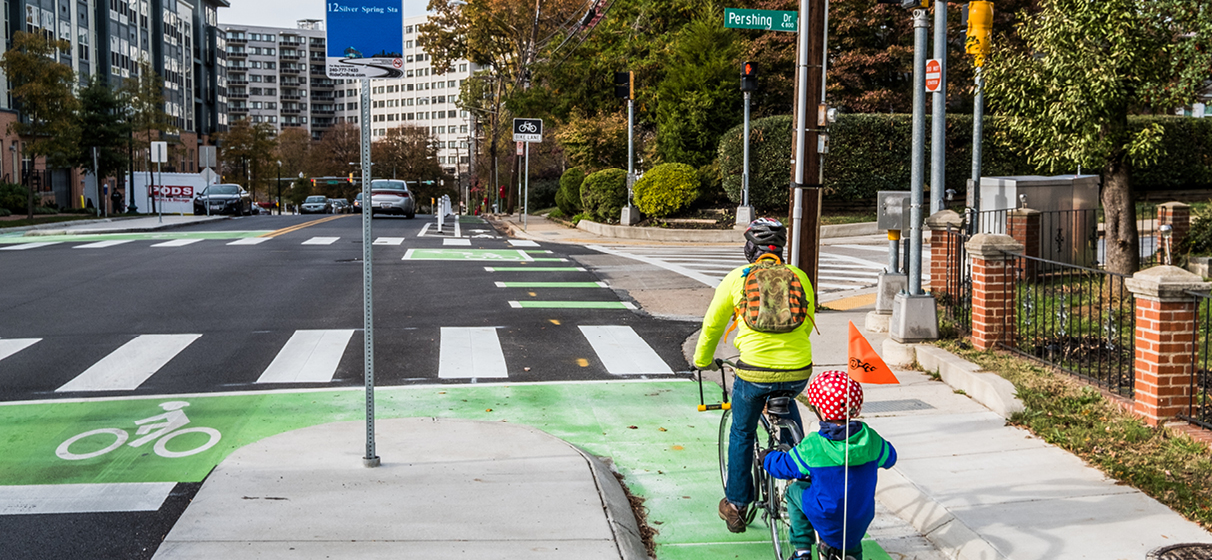
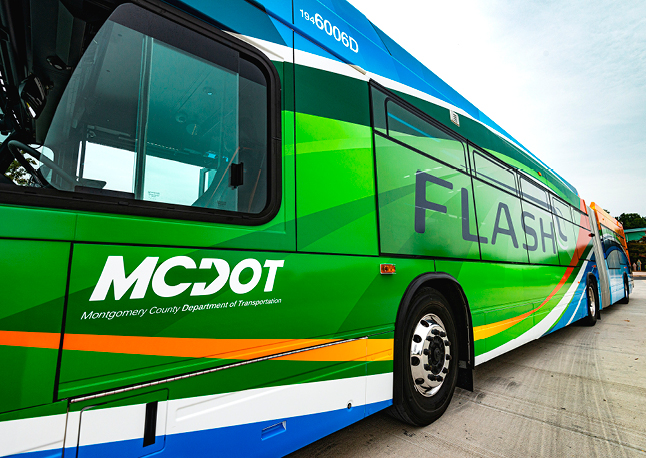
In Montgomery County, Maryland, STV is helping shape one of the nation’s largest county-led BRT programs, integrating high-frequency corridors with safer walking and biking routes so older residents can reach stations without navigating dangerous crossings, long gaps in service or inconsistent stop conditions.
3. A System Designed with Respect
Strong people-first design and consistency signal that BRT is a service worthy of every rider’s time – an important message for those who have felt transit systems were not designed with them in mind.
For the MBTA in Boston, STV developed a system‑wide Plan for Accessible Transit Infrastructure, evaluating nearly 8,000 bus stops and 177 rail stations to prioritize barrier removal – including missing landing pads, detectable warnings and non‑compliant crossings – conditions that can quietly erode confidence in transit if left unaddressed.
4. Expanding Access through Mobility Technology
Adaptive signal timing; digital wayfinding with tactile and audio cues; and integrated payment systems remove friction from the rider experience and help people of all abilities navigate transit more confidently and independently.
Along Buffalo, New York’s Bailey Avenue corridor, STV is advancing a new BRT line that pairs safer crossings and streetscape upgrades with faster, more reliable service – a critical combination on a corridor that serves many riders who do not drive, including older adults. STV’s and Transit‑Signal Priority (TSP) work helps buses move more predictably through congested corridors, reducing wait‑time anxiety and the risk of missed or uncertain transfers.
A Future Where Dignity Is Designed In
A system that welcomes older adults strengthens independence, safety and connection for children, parents, commuters, visitors and anyone navigating short‑ or long‑term mobility limitations.
BRT offers a strong foundation. Data and technology refine it. Inclusive planning brings it to life. Across these elements, STV’s experience shows that when accessibility is built in from the start, communities gain a transit network that supports dignity, independence and connection for – not just for some riders, but for everyone.