As the United States approaches its 250th anniversary, it’s an opportunity to reflect not only on the events that shaped the nation – but on the infrastructure that has supported its growth, protected its people and enabled its progress. At its core, this infrastructure reflects how national priorities are translated into physical systems that serve communities at scale.
For more than a century, STV and its predecessor firms have contributed to that story. From iconic landmarks in Washington, D.C., to the facilities that support national defense, scientific discovery and public health, this work presents a consistent theme: helping federal clients interpret and translate evolving national priorities into physical infrastructure.
What emerges is not just a portfolio of projects, but a legacy of participation in the systems and structures that define the American experience.
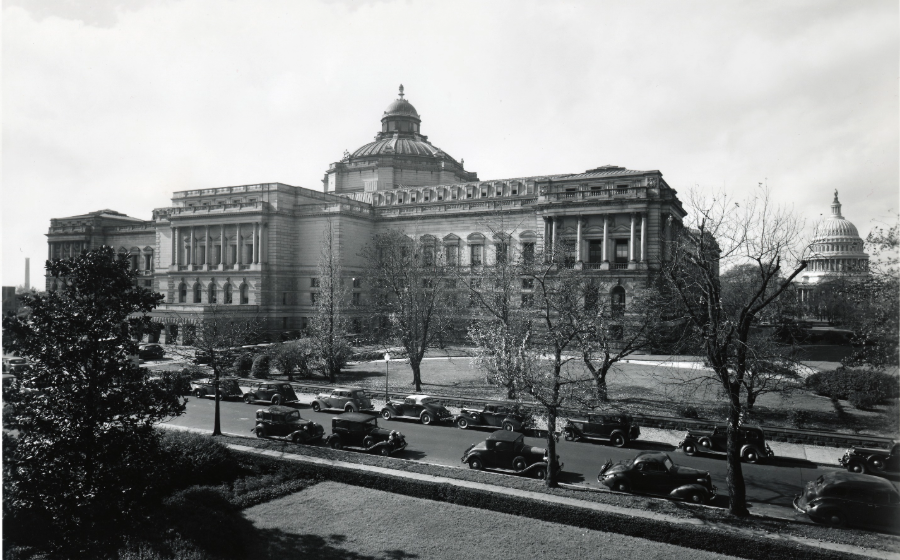
Defining the Nation’s Image: Civic Landmarks in Washington, D.C.
Few places represent the identity of the United States more visibly than Washington, D.C. Over decades, STV’s predecessor firms contributed engineering expertise to some of the capital’s most recognizable civic landmarks.
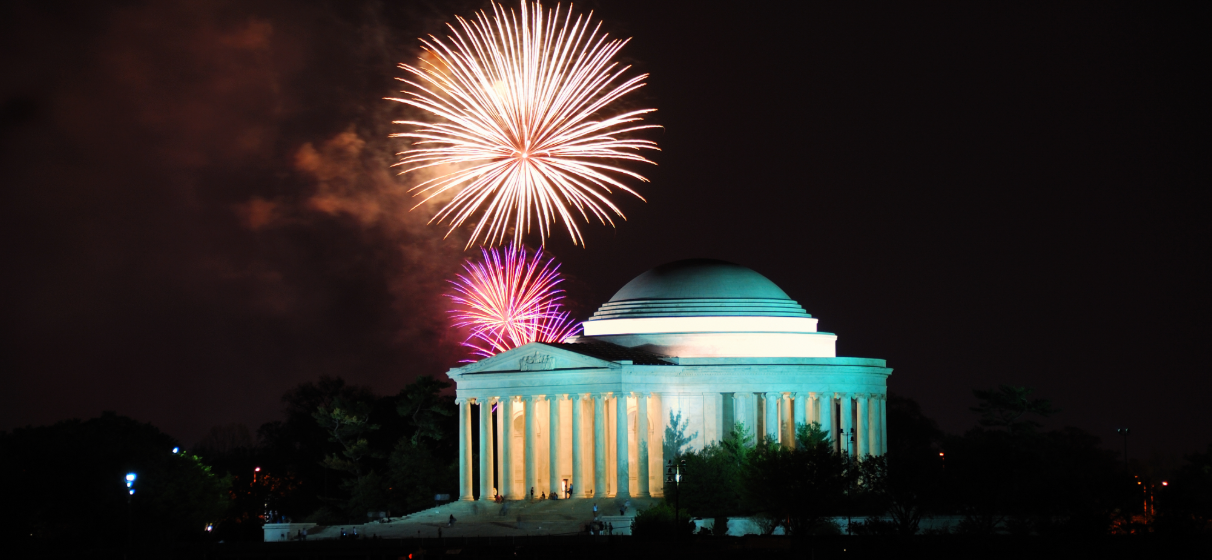
Work on projects such as the Thomas Jefferson Memorial and the U.S. Capitol Dome restoration demonstrate a long-standing role in supporting structures that symbolize American democracy and governance. These efforts required not only technical precision, but a sensitivity to architecture that carries deep historical and cultural meaning.
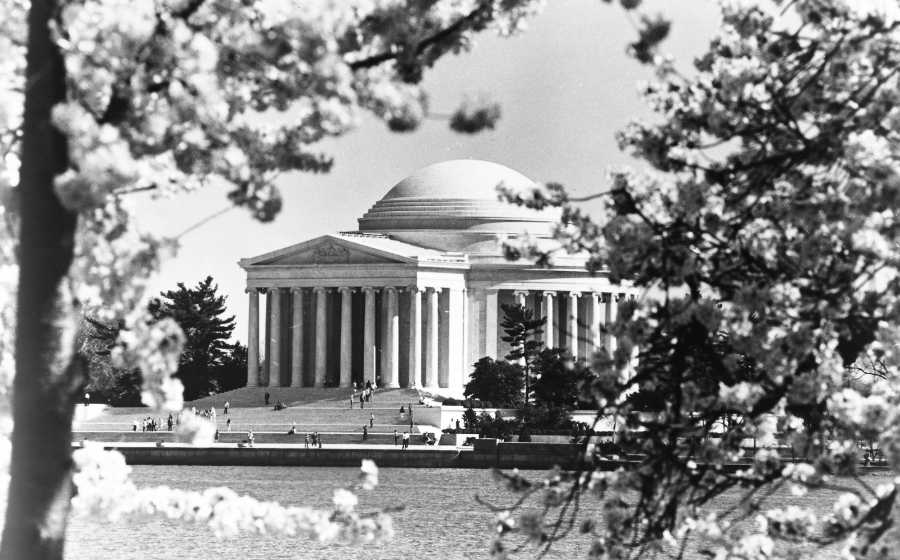
Additional contributions across the federal core – including institutional buildings and public spaces like the Library of Congress Annex, the Freer Gallery of Art at the Smithsonian Institution and the Daughters of the American Revolution Constitution Hall – reinforce this legacy. In these projects, engineering and design shape not only how these spaces function, but how they are experienced – as enduring symbols of national identity.
Enabling American Progress: Science, Innovation and Public Health
Beyond civic landmarks, federal infrastructure has long been central to advancing science, technology and national capability. STV’s legacy includes contributions to some of the most complex and mission-driven facilities in the country.
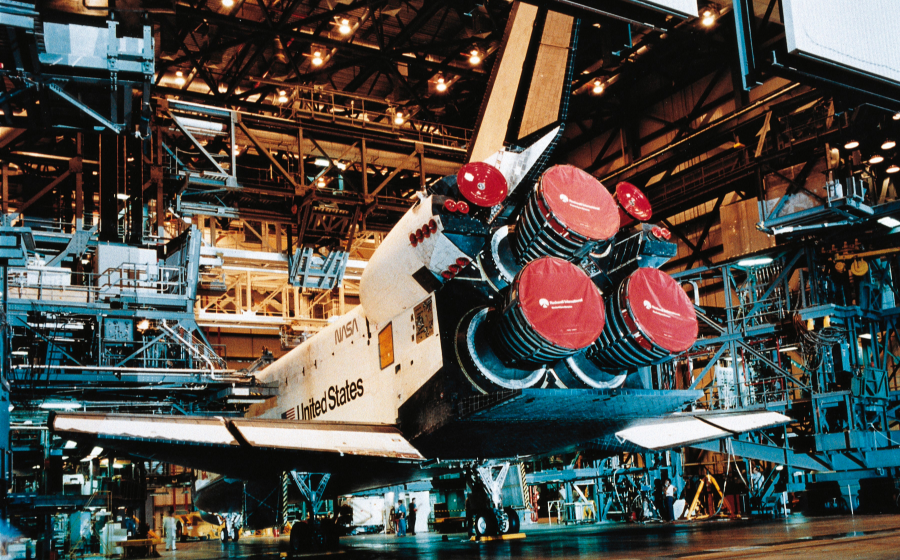
At NASA, STV’s predecessor firm, initially on behalf of the U.S. Army Corps of Engineers, supported the development of facilities at Kennedy Space Center, including the Vehicle Assembly Building – the largest single-story building in the world, designed to support vehicle integration at an unprecedented scale. The firm also contributed to the Orbiter Processing Facility, a highly specialized environment designed to support the maintenance of the Space Shuttle fleet. Both facilities played distinct roles in enabling launch readiness and ongoing shuttle operations.
Equally important is STV’s work in public health. During the emergence of the AIDS epidemic in the early 1980s, the firm was commissioned to design a new laboratory at the Centers for Disease Control and Prevention (CDC) in Atlanta. The resulting Viral/Rickettsial Diseases Laboratory became an early model for high-containment research environments, integrating advanced biosafety design principles to enable the safe study of infectious diseases. The team’s design was also recognized by the National Endowment for the Arts with a Federal Design Achievement Award.
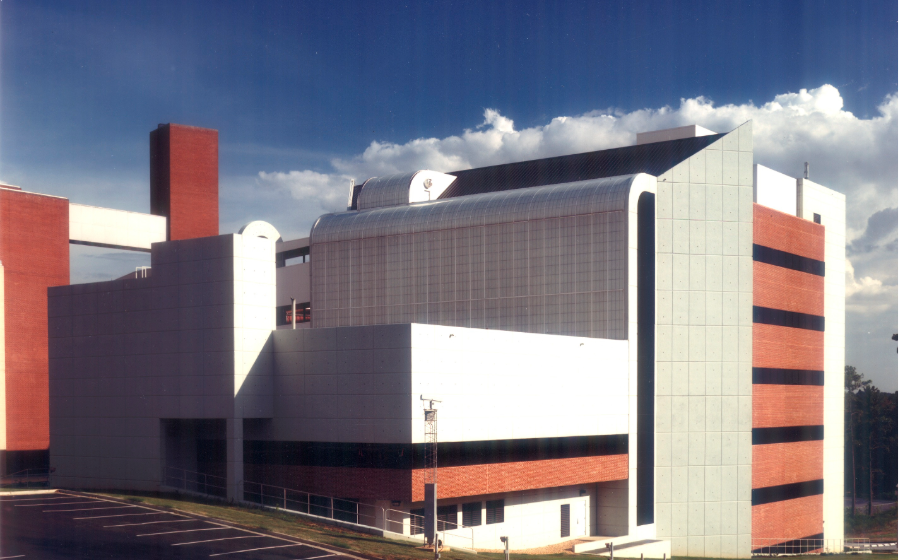
Taken together, these efforts supported the environment where critical research, testing and public health response occur – strengthening the nation’s ability to respond to emerging challenges.
Supporting National Defense and Leadership: West Point and Military Infrastructure
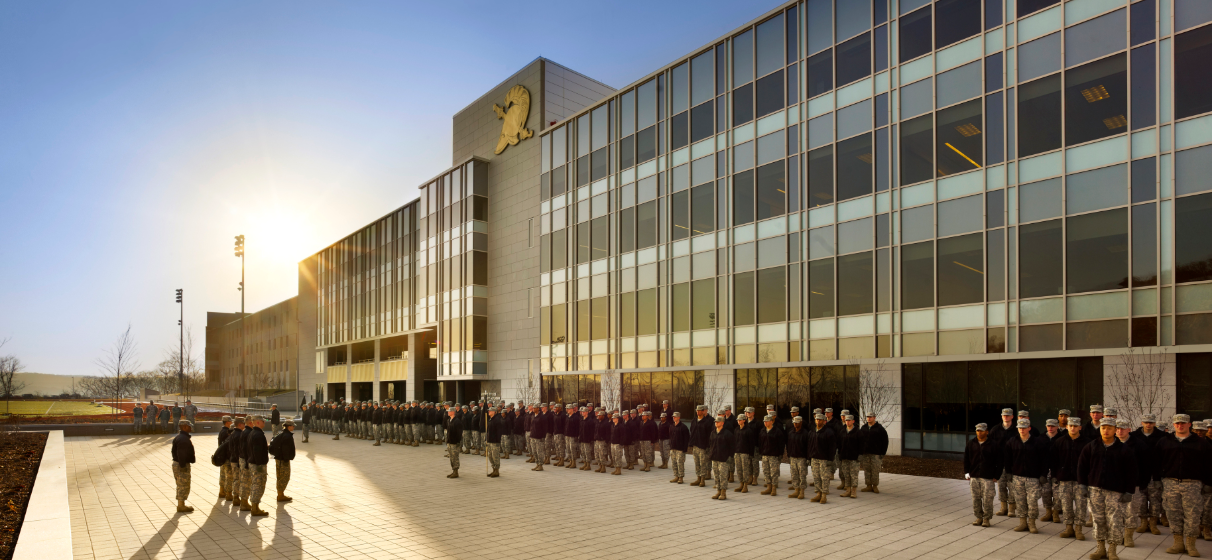
Federal infrastructure also plays a critical role in preparing those who lead and protect the nation. At institutions like the U.S. Military Academy at West Point, STV has supported long-running modernization and expansion programs that directly support training, education and leadership development.
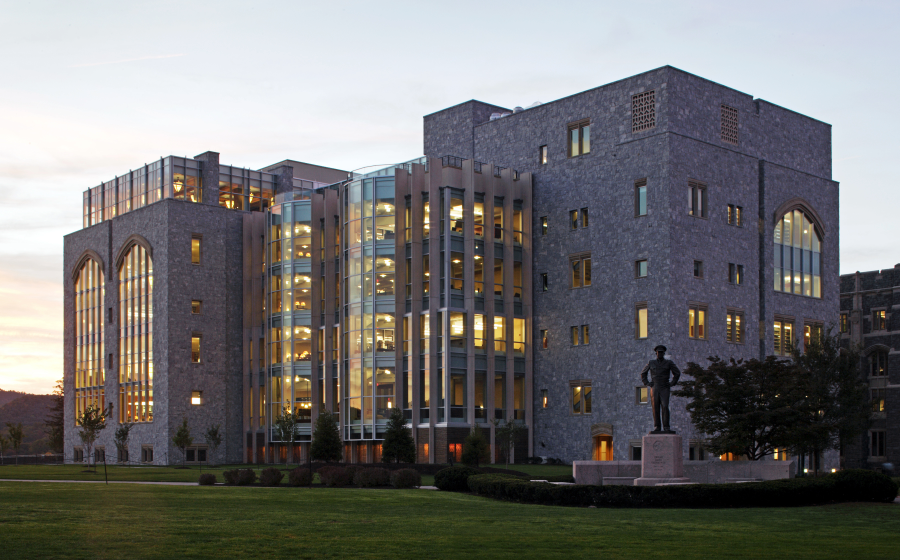
Projects such as the Thomas Jefferson Hall Library and Learning Center – the first new academic building on the campus in 35 years when it opened in 2008 – cadet barracks and other campus facilities reflect a balance between preserving the academy’s historic character and meeting the needs of a modern military education environment. These efforts help ensure that one of the country’s most important institutions continues to evolve while maintaining its identity and mission.
This work builds on a broader legacy of supporting U.S. military and defense infrastructure – a relationship that extends back to STV’s predecessor firms and their early engagement with federal agencies across multiple regions and facility types.
Sustaining the Nation Behind the Scenes: Research and Federal Systems
While monuments and major institutions are the most visible expressions of federal infrastructure, a significant portion of STV’s work lies in the systems that operate behind the scenes.
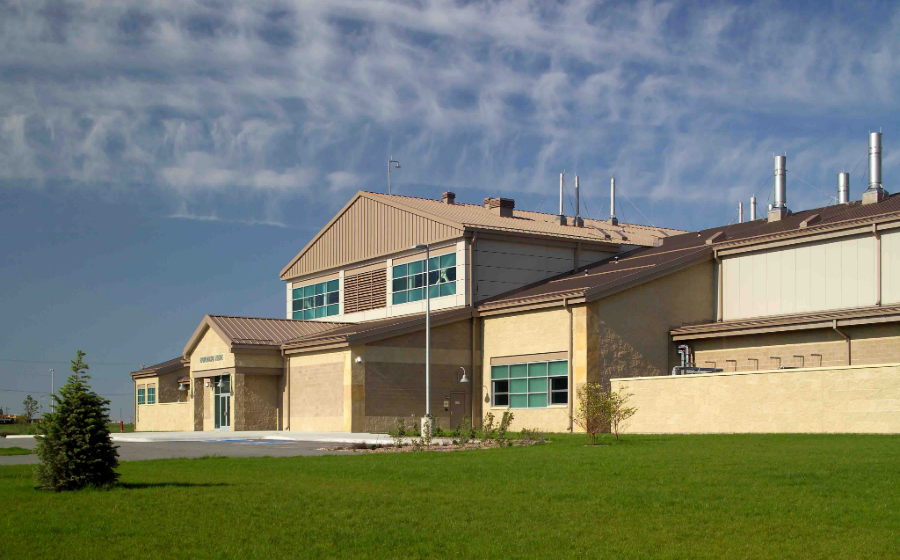
Across agencies such as the U.S. Department of Agriculture and other federal research organizations, STV has contributed to facilities that support food security, environmental stewardship and scientific advancement. This includes work on advanced research and biocontainment facilities, such as the Bio Safety Level-3Ag Large Animal Housing Facility in Ames, Iowa as well as the modernization programs at major federal research campuses like the Beltsville Agricultural Research Center.
STV’s broader history also highlights a consistent role in designing and supporting federal research, testing and development facilities, including high-containment laboratories, engineering test environments and scientific campuses.
Though less visible, these systems underpin ongoing research, testing and operational decision-making that support long-term national resilience.
A Legacy of Partnership and Continuity
One of the defining aspects of this body of work is continuity. Across generations of predecessor firms STV has maintained long-term relationships with federal clients, evolving alongside their needs.
In many cases, that continuity reflects repeat engagement over decades – built through an ability to listen, adapt and respond as agency missions and priorities evolved.
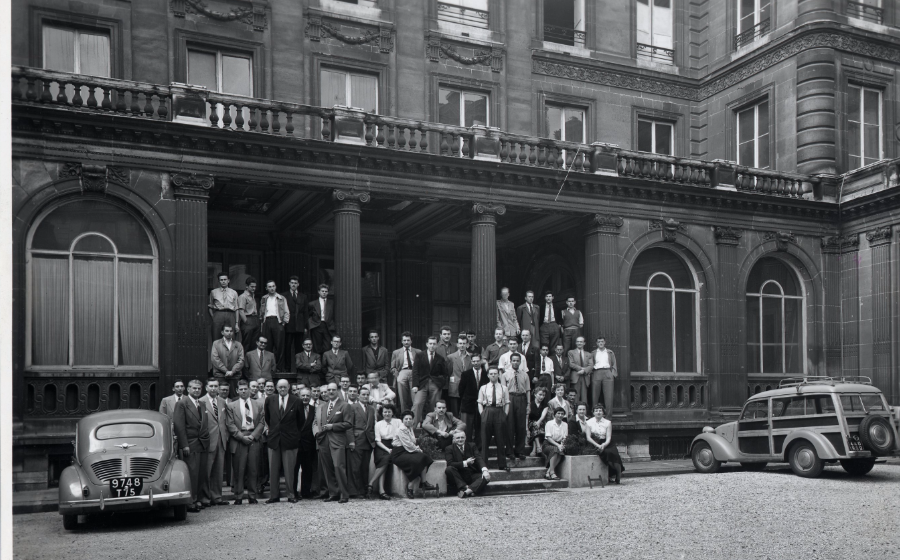
This continuity underscores an ability to adapt to changing national priorities – whether supporting wartime mobilization, advancing space exploration, addressing public health challenges or modernizing critical infrastructure. It also demonstrates a working style grounded in collaboration – partnering with agencies to translate complex objectives into practical, buildable solutions.
As the infrastructure landscape continues to evolve, this history positions STV not only as a provider of services, but as a long-term partner in shaping systems that support communities and national priorities alike.
Looking Ahead: Building on a National Legacy
At 250 years, the story of the United States is still being written – and its infrastructure continues to evolve in response to new challenges and opportunities.
From landmark civic structures to advanced research facilities, STV’s legacy reflects a consistent thread: helping federal clients translate vision into infrastructure that serves the public good.
As the nation looks toward its next chapter, the role of infrastructure will remain central. And in continuing to support these systems, STV builds on a legacy that is not only historical – but ongoing.