Infrastructure programs earn community confidence through consistent delivery. Along Darrell Road in Lake County, Illinois, a two-phase improvement program is demonstrating how lessons learned during one project can strengthen the next, helping modernize three intersections while improving safety, mobility and connectivity.
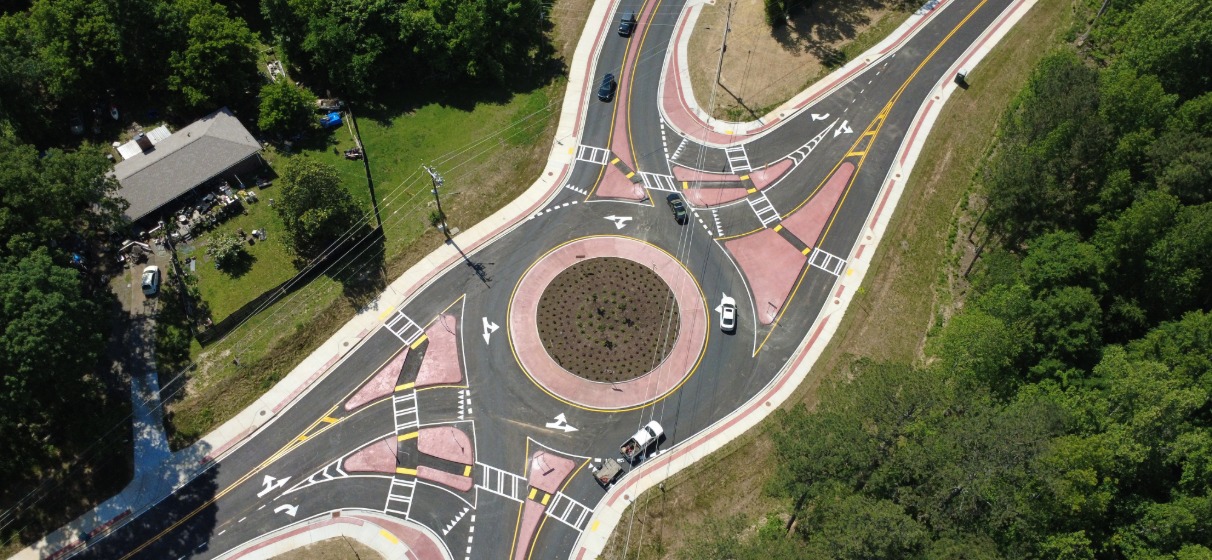
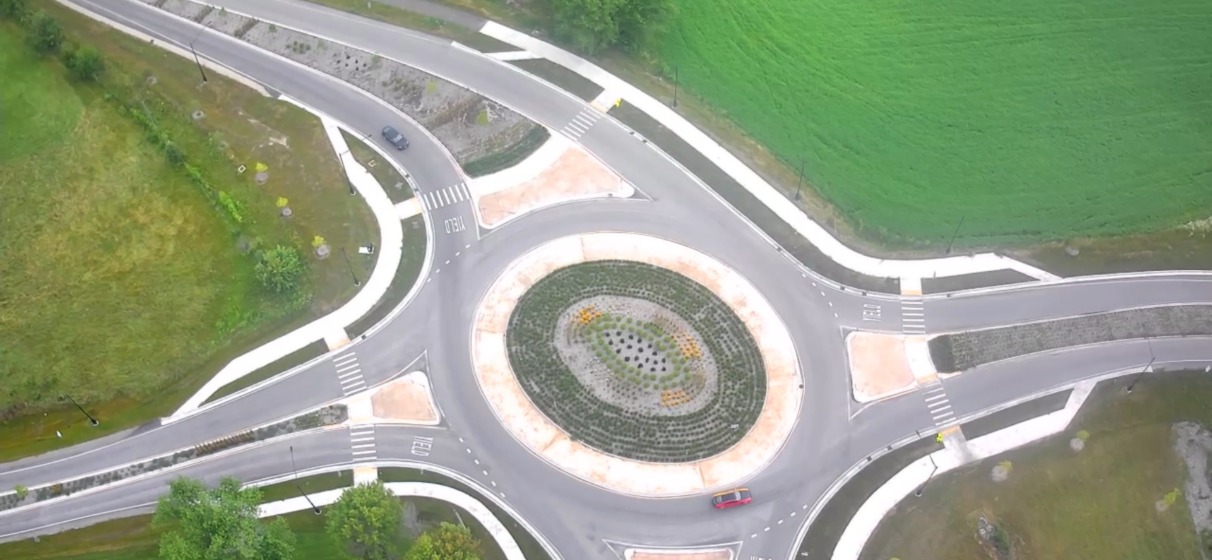
The program encompasses three intersection improvements along Darrell Road at Case Road/Neville Road, Dowell Road and Fisher Road. The work replaces closely spaced, skewed and stop-controlled configurations with modern roundabouts, reconstructs portions of the roadway and extends pedestrian and bicycle infrastructure through the corridor.
For the Lake County Division of Transportation (LCDOT), the program addresses increasing traffic volumes and longstanding visibility and operational concerns while preparing the corridor for continued growth. It also creates safer connections for people traveling by car, bicycle or on foot, including links to the Black Crown Forest Preserve and the Grand Illinois Trail.
For STV, which was awarded construction management and resident engineering and inspection services for both projects, the corridor became an opportunity to build knowledge and trust from one phase to the next.
Establishing the Foundation
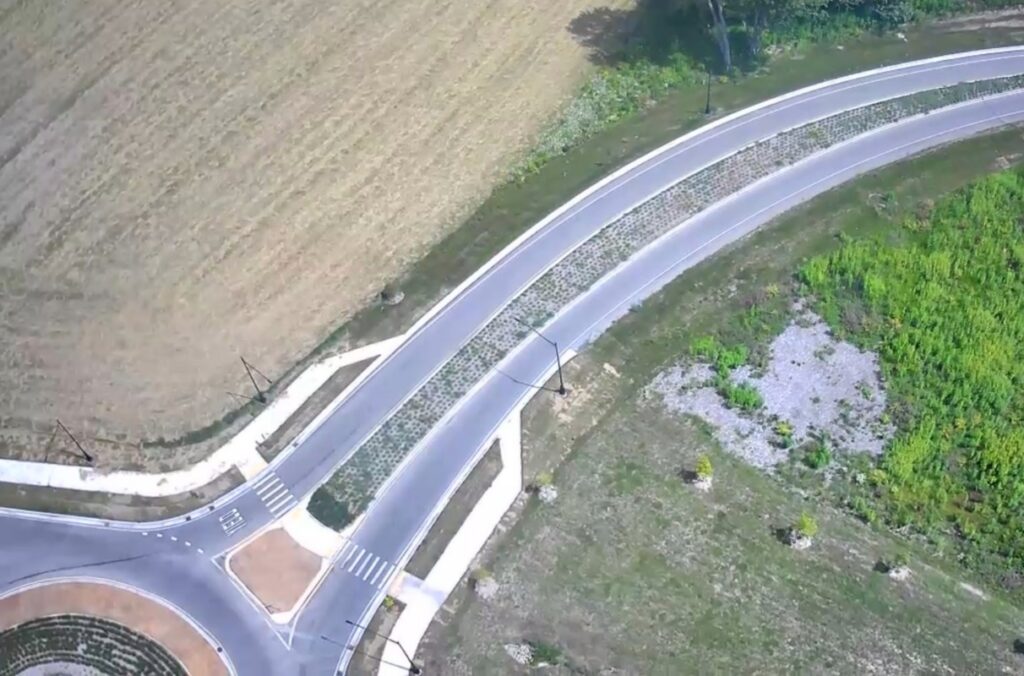
The first construction project focused on the intersection of Darrell Road with Case Road and Neville Road. Two closely spaced, skewed T-intersections were consolidated into a modern roundabout designed to improve visibility, traffic operations and multimodal access. The work also added pedestrian and bicycle facilities connecting to the nearby Black Crown Forest Preserve.
The visible improvement was a new intersection. The more consequential work, however, took place beneath and around the pavement.
STV worked with LCDOT, the contractor and other project stakeholders to evaluate field conditions, coordinate soil treatment and drainage measures and protect the sequencing of the work. Utility relocations, roadway reconstruction and a full detour added further coordination demands.
Those challenges helped the team develop a detailed understanding of the corridor’s construction conditions and the owner’s priorities. The project required not only technical review and field oversight, but also the judgment to identify emerging risks, bring the appropriate parties together and keep decisions moving.
“Some of the most critical work on a project isn’t visible to the traveling public,” said Kevin Gartley, engineer manager at STV. “Managing underground conditions, coordinating utilities and anticipating construction risks are the kinds of efforts that ultimately determine whether a project is delivered smoothly. Our role was to bring all of those moving pieces together and keep the project advancing.”
Carrying Experience into the Next Phase
The completion of the first roundabout established a foundation for the corridor’s next phase. Rather than resetting between projects, LCDOT and STV could carry forward knowledge of the corridor’s physical conditions, stakeholders and construction risks while refining the practices that had supported the first project.
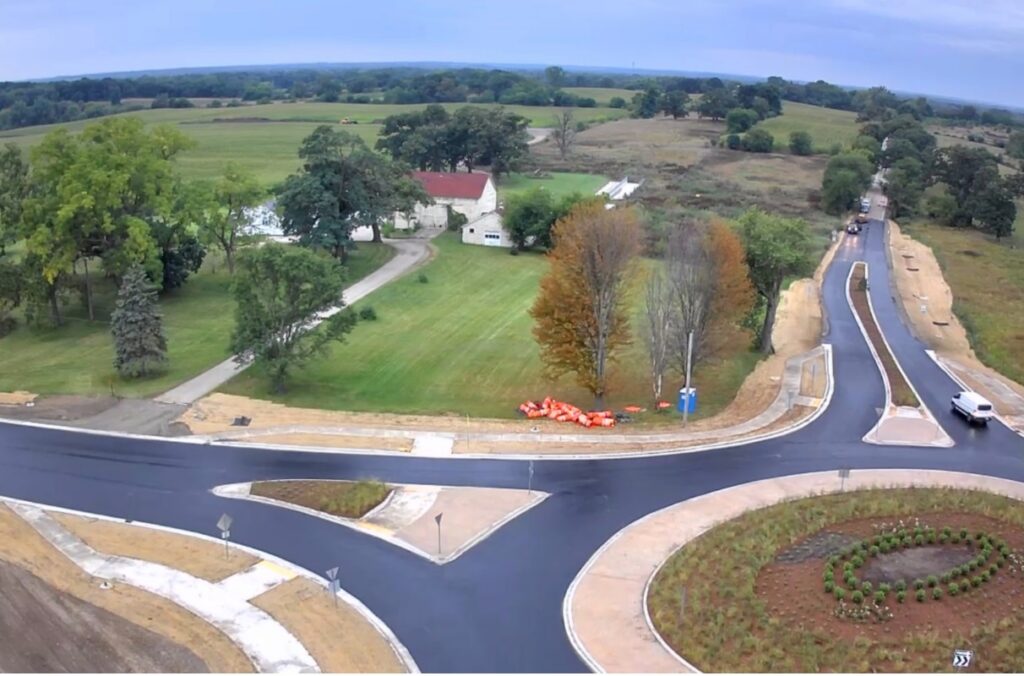
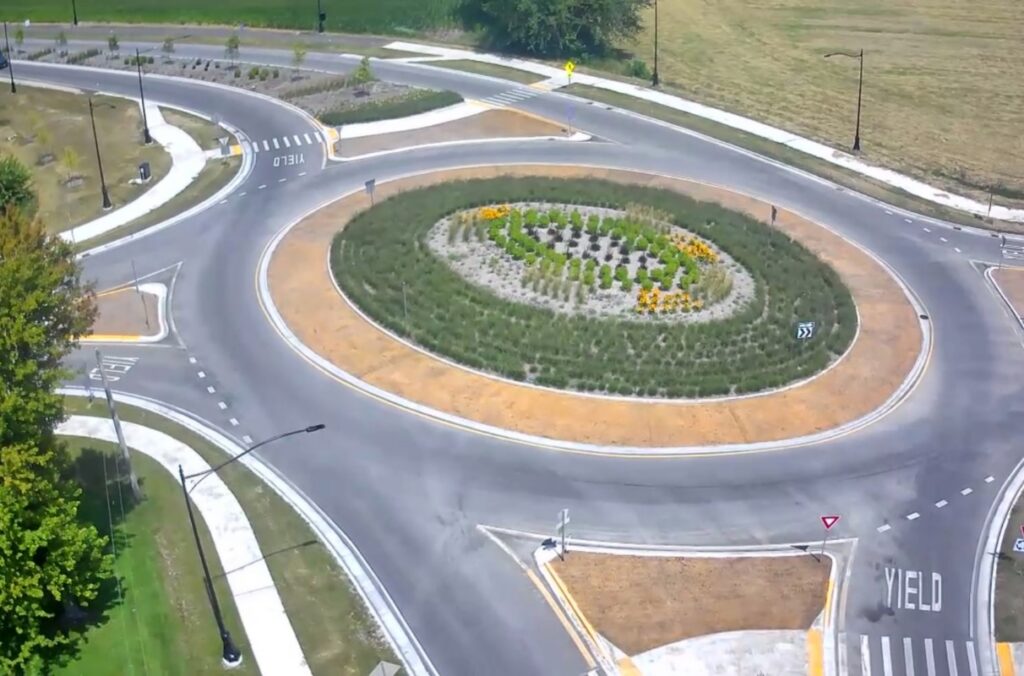
The second project extended north along Darrell Road, from approximately 1,130 feet south of Dowell Road to about 700 feet north of Fisher Road. Its scope included realigning Dowell Road into a new roundabout, replacing the one-way stop-controlled intersection at Fisher Road with another roundabout, reconstructing the roadway between them and continuing the corridor’s bicycle and pedestrian network. A portion of the new path forms part of the Grand Illinois Trail.
LCDOT’s award of the second phase to STV for the same construction management and REI services allowed the project team to build directly on its earlier experience. The owner could draw on professionals already familiar with the corridor, its stakeholders and the practical lessons of the first project.
That experience became particularly valuable as the scale of coordination expanded. The work involved two new roundabouts, roadway realignment, storm sewers, retention basins, embankment, underdrains, aggregate subgrade, a precast modular retaining wall, lighting, pavement, sidewalks, landscaping and utility work.
The assignment also required managing a planned full closure and detour. LCDOT announced that Darrell Road, Fisher Road and Dowell Road would close to through traffic for 140 days, allowing the two roundabouts and connecting roadway to be constructed safely.
“Experience from the earlier phase offered a practical advantage,” Gartley said. “Our team understood the value of early utility coordination, clear detour information, close observation of drainage and subgrade conditions and regular communication with corridor users. The second project did not simply repeat the first. It applied proven ways of working to a broader construction challenge.”
Progress the Community Could Follow
For residents and travelers, months of construction can make the long-term purpose of an infrastructure project difficult to see. Transparent communication therefore became an important part of delivery across the corridor.
During the first project, STV supported ongoing communications about construction activities, detours and schedule milestones. This helped residents, businesses and corridor users understand what was changing and plan around anticipated impacts.
That communication framework continued into Phase II through a dedicated project website and regular construction updates. The updates documented progress on underground drainage, retaining walls, pavement, lighting, sidewalks, bicycle paths and landscaping, while advising motorists about closures and detours.
By September 2025, the contractor was progressing ahead of schedule. The completed work included hot-mix asphalt pavement, shoulder stone, pavement markings, sidewalks, earth excavation and lighting infrastructure. Sign installation, landscaping and removal of the detour followed as the project approached reopening.
A Corridor-Level Lesson in Trusted Delivery
Taken together, the two Darrell Road assignments show how trust can become an infrastructure delivery tool.
The first project tested the team’s ability to manage difficult soils, drainage constraints, utility interfaces, traffic impacts and public communication. The second called for those capabilities to be adapted and expanded across two additional intersections and a longer segment of roadway. Because knowledge accumulated rather than resetting, the team entered the second phase with a stronger understanding of potential risks, owner expectations and effective approaches to coordination.
“The strongest projects are the ones where everyone is working toward the same outcome from the beginning,” Gartley said. “The coordination between LCDOT, the contractor and the project team helped us solve issues quickly, maintain momentum and deliver a better result for the community.”