Today’s airport improvement programs are inherently complex, involving multiple stakeholders, tight regulatory environments and significant capital investments. Project teams are not just creating runways and terminals – we’re collaborating with airlines, owners, general contractors and other stakeholders to develop interconnected, smart ecosystems that drive efficiency, safety and innovation. That’s why Project Management Information System (PMIS) software has emerged as such a significant game-changer in the aviation market arena.
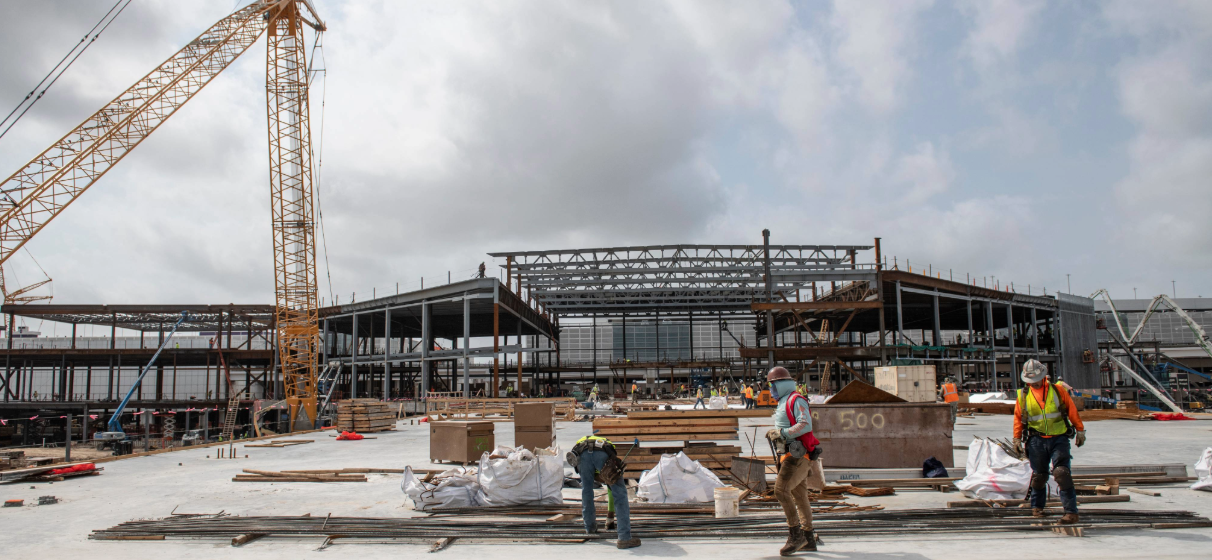
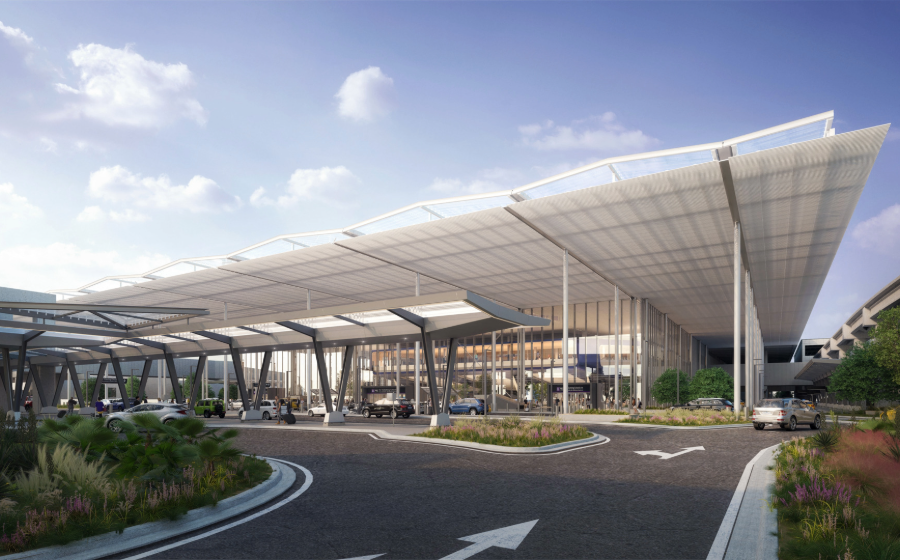
A prime example is STV’s leveraging of these systems to create efficiencies for United Airlines at its $2.5 billion Terminal B Redevelopment program at George Bush Intercontinental Airport (IAH) in Houston, Texas, which recently marked its topping out.
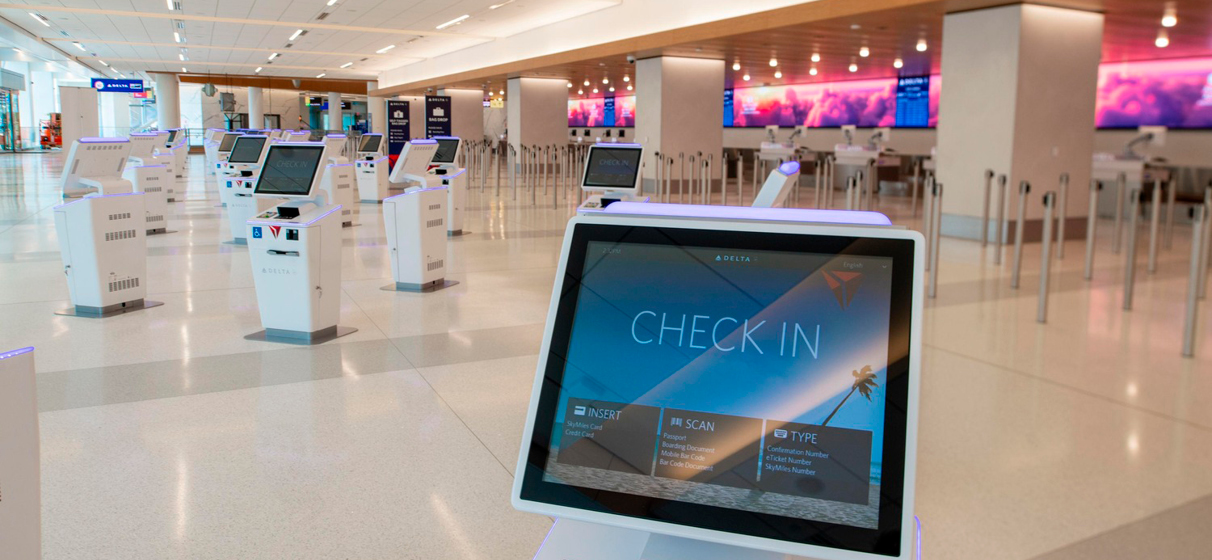
The large-scale program consists of demolishing the original circa-1969 flight stations and rebuilding two new concourses, configured to support wide-body and narrow-body aircraft with 22 new gates. The 765,000 square-foot facility expands capacity and encompasses intuitive wayfinding systems and security. New amenities for travelers include a sensory room, an interactive “park” and major concession hubs. The new Terminal B lobby includes an expanded claim hall and a new advanced tracking baggage system; quadruple the number of check-in counters; a significant increase in security lanes, and triples the curb frontage for passenger drop-off and pick-up stations, all while striving for LEED (Leadership in Environmental and Energy Design) Silver Certification. STV, in collaboration with AvAirPros, is providing comprehensive program management services, including strategic planning, budgeting, scheduling and operational coordination.
Prior to the advent of PMIS, managing construction programs would traditionally involve spreadsheets and siloed communication challenges. PMIS changes this antiquated approach by acting as the central nervous system for construction projects. By consolidating data – from design plans and scheduling to budgeting and risk assessments – into a single platform, PMIS allows all team members have access to accurate, up-to-date information. This centralized approach minimizes the risks of miscommunication and errors, providing a solid foundation for project success.
However, even with its advantages being so well documented, the use of a unified PMIS across a project as massive and complex as IAH Terminal B is rare. Typically, the owner and construction teams use different systems since they both have their own internal business requirements. While this approach ensures the contractor and owner are working in a system that best meets their own specific set of needs, it’s still potentially inefficient as it pertains to collecting timely and accurate data and collaborating across stakeholders. That’s because even some of the more widespread PMIS software programs can’t talk to each other without custom integrations or the purchase of a third-party integration adaptor.
The substantial progress that this focus helped create a more unified PMIS platform between United and the construction team. Initiating this approach was not without its challenges. A $2.5 billion airport improvement program consists of many “projects within a project” – the scope of Terminal B’s program includes a new baggage claim hall, baggage handling system, ticketing hall, security checkpoint and additional airline and airport support spaces, with an anticipated completion date in the fall of 2026.
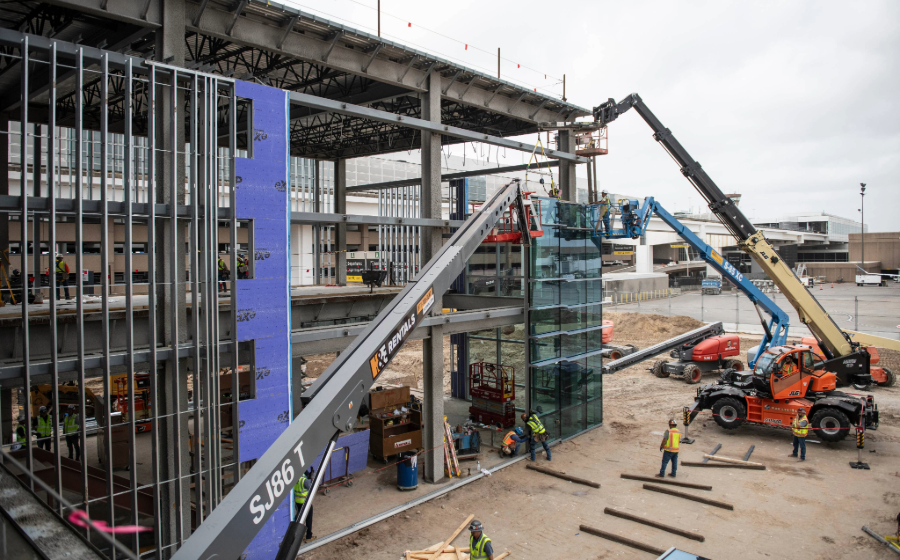
To align these systems, STV and Kahua had to coordinate between United and the general contractor and scale up at the project’s onset to create a connected network that could track multiple submittals and requests for information (RFIs) real-time between two different environments. Deploying this at the scale of a $2.5 billion program presented many challenges around company specific configurations. To see that all actions taken throughout the workflow processes were recorded in real-time and accurately, the project team had to think outside the box and find new ways to deliver nuanced workflows across multiple projects. This process also needed to align to a specified configuration standard that met contractual requirements as well as showing a clear audit trail to ensure compliance with the requirements from various entities and agencies that provide funding to the program.
More than a year after unifying the system, the results speak for themselves. One of the biggest revelations in having both the owner and a general contractor using the same PMIS software is the reduction of duplicate data. Now instead of each stakeholder’s system updating its data separately, all data and analysis is updating in real-time for both users concurrently. When using separate systems, the owner is burdened by the cost to manually input data from the general contractor’s PMIS software. Additionally, the owner is taking on additional risk of errors being made during data input, or in certain extreme situations, decisions being made off “bad” data. This unified system also facilitates more timely decision making by all project stakeholders since everyone is receiving the same data at the same time.
As the IAH Terminal B project continues to progress, its successful delivery is marked by the project team’s strong collective commitment to collaboration and innovation. Together, we are embracing the challenges of large-scale and complex projects as we “take off” into the future of capital project execution.