Transit systems in New York and New Jersey face a unique challenge: modernizing aging infrastructure while maintaining daily operations for millions of riders. As Vice President and Senior Program Manager for STV’s transportation team in New York and New Jersey, Mark Bienstock works with public agencies to plan and deliver large‑scale transit modernization programs across one of the nation’s busiest regions.
In this Q&A, Bienstock speaks with STV and shares insights into the challenges, strategies and collaboration that are required to upgrade legacy transit systems safely and reliably.
1. How has your experience across public agencies and the private sector shaped the way you approach major transit programs today?
Experience on both sides of the table has shaped how I approach complex transit programs. Early in my career at the New York Metropolitan Transportation Authority (MTA), I worked closely with capital planning, operating budgets and system maintenance. That exposure reinforced how design and construction decisions affect operations long after a project is delivered. Today, that perspective allows me to help clients balance innovation with long‑term reliability, sustainability and public value, especially on programs where transit service must continue uninterrupted.
2. What are the biggest challenges of modernizing legacy transit systems that are still in active use?
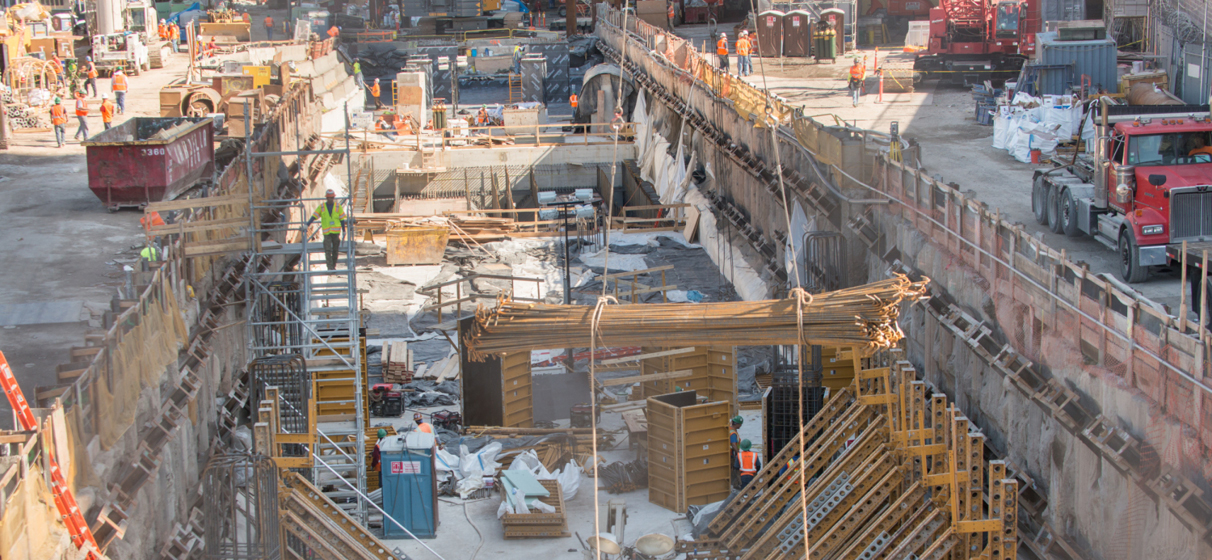
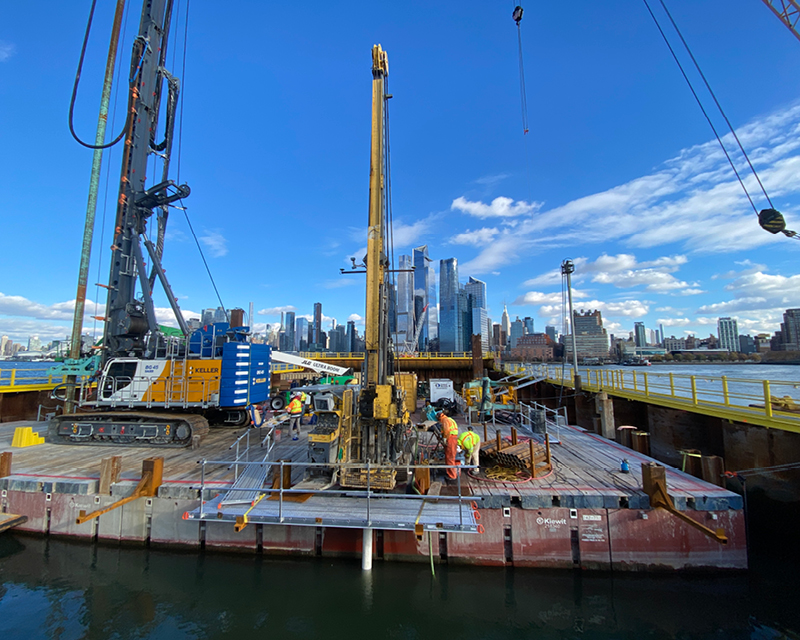
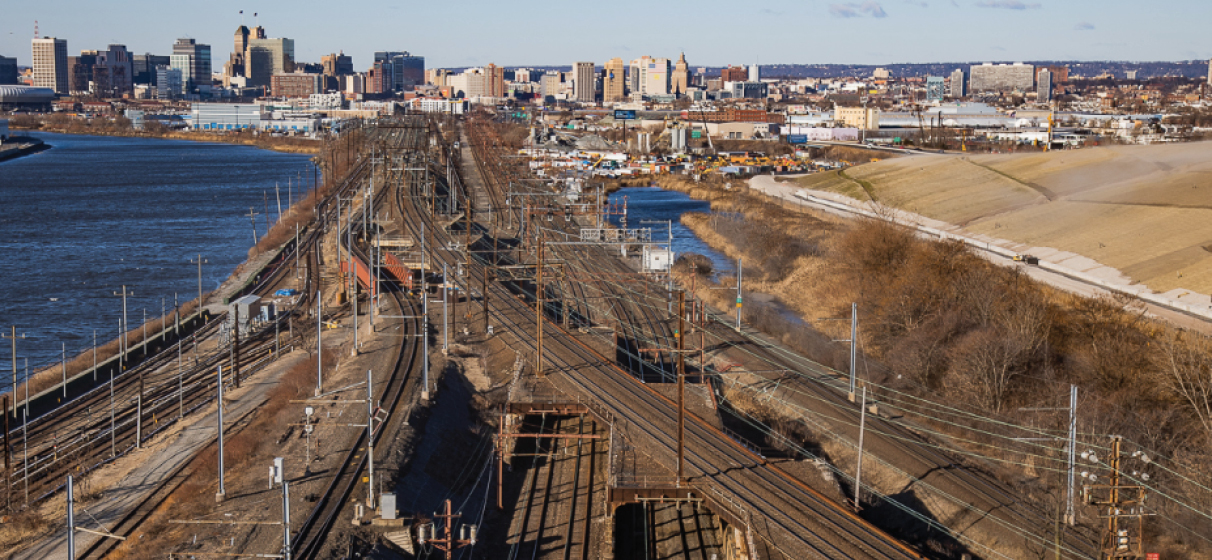
The biggest challenge is integrating modern technology into systems that were never designed to accommodate it. Whether the work involves new signal systems, fiber‑optic networks or safety upgrades, teams are often operating in constrained spaces with limited access and power while trains continue to run. Programs such as the Gateway Program’s Hudson Tunnel Project require customized engineering solutions and constant coordination to deliver improvements without disrupting service. Success depends on detailed planning, flexibility and a strong focus on minimizing impacts to riders and surrounding communities.
3. Why is collaboration so critical on large, multi‑agency transit programs?
On programs of this scale, no single organization has all the answers. Effective delivery depends on close collaboration among public agencies, designers, contractors and operations teams. Open communication helps teams identify challenges early and develop practical, coordinated solutions. From a leadership perspective, collaboration means creating an environment where people feel respected and heard. When teams work cooperatively rather than defensively, it leads to better outcomes for the client, the transportation system and the public it serves.
4. How are emerging technologies shaping the future of transit modernization?
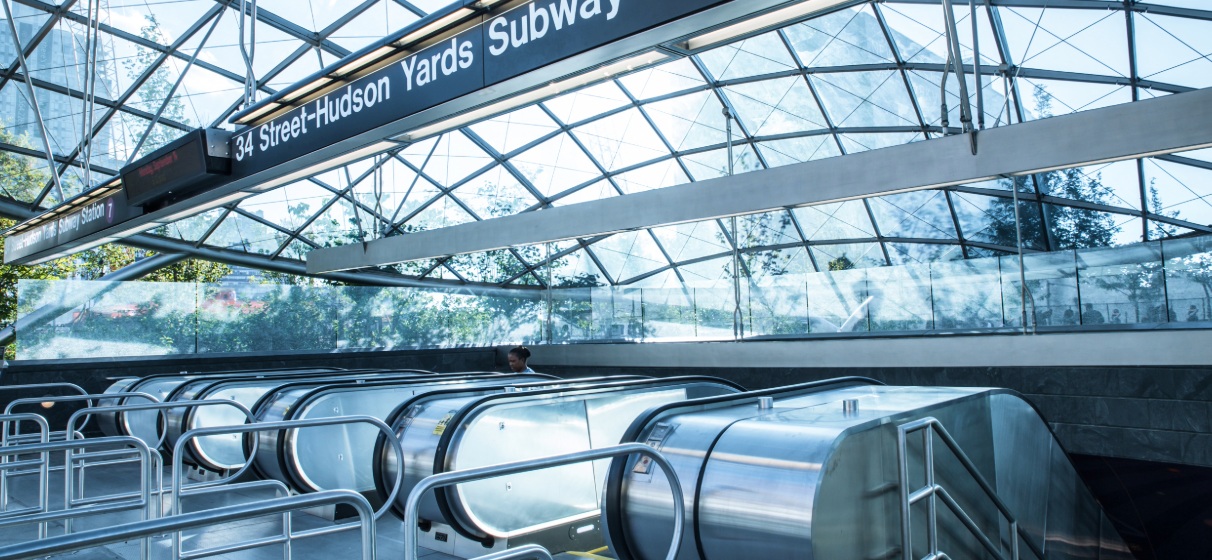
Technology is playing an increasingly important role in how transit systems are planned, operated and maintained. Improved data and information systems can help riders make better travel decisions, while advances in artificial intelligence have the potential to improve service reliability, respond more effectively to disruptions and reduce delays. At the same time, modernization is not just about adopting new tools. It is about integrating technology thoughtfully into existing systems while maintaining a strong focus on safety, reliability and the overall user experience.
5. What should transit agencies prioritize as they plan modernization programs over the next decade?
Agencies should focus on modernization strategies that balance near‑term needs with long‑term system performance. That starts with understanding how assets are used today and how travel patterns, technology and customer expectations are likely to evolve. Planning for flexibility is crucial – systems must be able to adapt to future technologies without requiring constant reconstruction. Equally important is integrating modernization work with ongoing operations so service remains safe and reliable throughout delivery. Agencies that take a holistic, phased approach are best positioned to maximize public value while managing risk and maintaining rider trust.