Public transit ridership in the United States is rebounding at a pace few anticipated just a few years ago. The nationwide increase in transit ridership of more than 17% in recent years signals renewed demand for fast, reliable and convenient mobility options. Increasingly, the performance and perception of Bus Rapid Transit (BRT) are defined by both the physical infrastructure and the digital systems that power it.
As agencies across North America work to retain existing riders and attract new ones, BRT is proving a critical solution, particularly when paired with emerging technologies such as Transit Signal Priority (TSP), artificial intelligence (AI), data analytics and connected vehicle infrastructure. These tools are becoming essential for strengthening mobility access and improving daily travel experiences across the communities these systems serve.
In this roundtable discussion, Bilal Assaad, senior data scientist; KiSeok Jeon, vice president in STV’s digital advisory group; and Adrian Pearmine, director of mobility technologies, explore how technology is reshaping BRT planning, operations and performance, and why digital infrastructure is essential to delivering high-quality transit service that meets the needs of people, corridors and the broader community.
What role does technology play in closing the gap between BRT design intent and day-to-day rider experience?
Adrian Pearmine: BRT is no longer delivered as a standalone transit improvement. It functions as part of a larger, connected mobility network shaped through close partnerships with agencies and the coordinated expertise of planners, technologists, traffic engineers and operations specialists. Agencies are looking for BRT systems to provide rail-like reliability with the flexibility of buses, and the only way to consistently achieve that is through integrated digital infrastructure that helps manage corridors in real time.
Emerging tools like real-time data analytics, TSP and connected infrastructure enable BRT systems to actively manage traffic conditions, improve travel times and deliver consistent service throughout the day (not just during peak hours).
KiSeok Jeon: For riders, predictability and transparency matter more than ever. When riders understand why conditions change and receive dynamic, trustworthy information, it builds confidence and strengthens BRT’s role as a people-first mobility option. Emerging technologies enable agencies to meet those expectations by transforming BRT corridors into digitally enabled systems that inform decisions with continuous data rather than static assumptions. When riders can trust the information they receive, confidence in the system grows – as does their ability to reliably reach jobs, healthcare, school and daily needs.
Bilal Assaad: Data and analytics are increasingly what allow agencies to move from fixed schedules to responsive service. By blending general and geospatial data with machine-learning techniques, agencies can match service more closely to how communities actually move – reducing crowding and improving system reliability in meaningful ways.
For one city’s major events, STV developed a dynamic dispatching algorithm designed with agency partners and tailored to their on-the-ground operational realities. By drawing on geospatial analytics, operations planning and digital systems expertise, it enabled agencies to respond to live crowding patterns rather than rely on fixed assumptions.
KiSeok Jeon: This kind of data-driven scheduling is increasingly connected to broader corridor-level technologies – tolling systems, connected vehicle infrastructure and real-time performance platforms – which aligns with how agencies are rethinking mobility networks as unified, digitally enabled systems. These integrated tools allow teams to manage operations more holistically and create more consistent, predictable travel experiences for the communities BRT serves.
How does Transit Signal Priority (TSP) improve BRT performance?
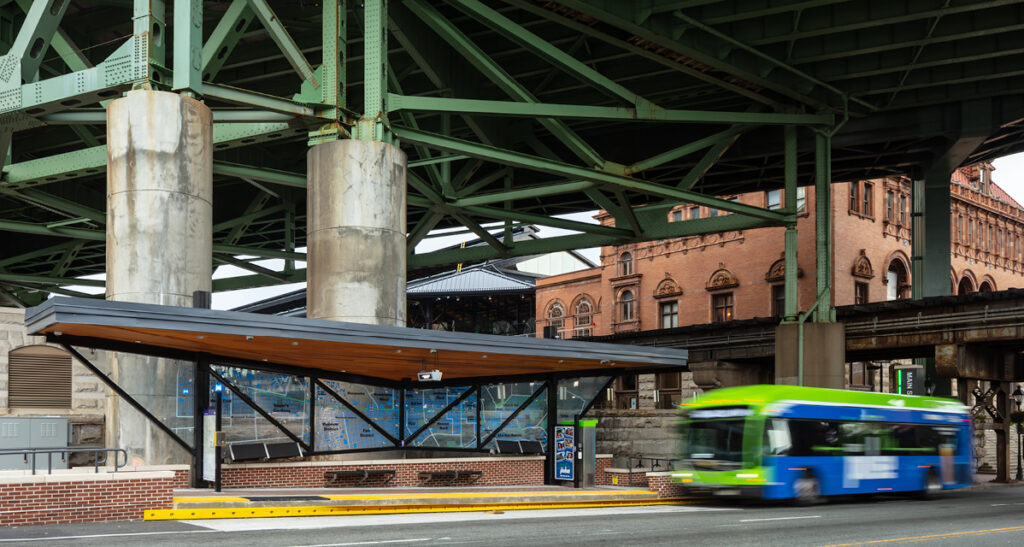
Adrian Pearmine: TSP remains one of the most effective, yet often unseen drivers of BRT reliability. Modern, next-generation TSP systems use cellular communications and cloud-based platforms rather than older, hardware-heavy solutions.
Buses continuously transmit location and speed data to a central system, where AI-driven algorithms dynamically adjust signal timing in real time. This significantly increases the likelihood that buses receive green lights at key intersections while minimizing disruption to general traffic operations.
KiSeok Jeon: Because today’s TSP is software-based, it’s easier to deploy, scale and integrate with other systems: whether that’s fleet upgrades, connected vehicle infrastructure or future autonomous transit services. It has become a foundational technology for building high-performing BRT corridors that support both near-term operations and long-term mobility goals.
What role does artificial intelligence and data analytics play in BRT operations?
KiSeok Jeon: AI and data analytics allow transit agencies to move from reactive operations to predictive, data-driven decision-making. Instead of simply tracking delays after they occur, agencies can analyze traffic patterns, pedestrian behavior and intersection performance to proactively improve safety and reliability.
Bilal Assaad: For BRT, this means better schedule adherence, improved corridor performance and more strategic investment decisions. AI helps pinpoint where targeted upgrades (such as signal improvements, lane treatments or stop enhancements) will deliver the greatest community benefit.
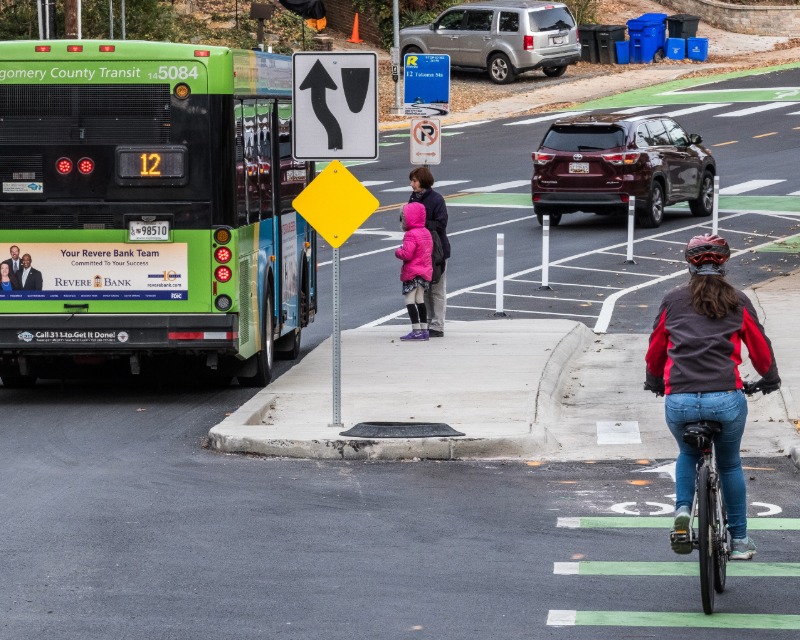
Adrian Pearmine: Coupled with that, AI also supports adaptability, which is increasingly important in the post-pandemic transit environment. Travel patterns are more fluid, and traditional peak periods are less defined. With AI-enabled systems, agencies can maintain reliable service across longer service windows, including evenings and weekends, supporting equitable access for more riders.
How will emerging technology shape the future of BRT?
Bilal Assaad: As data sources become richer, agencies will be able to anticipate demand rather than react to it. This enables dynamic scheduling, targeted fleet deployment and smarter use of limited right-of-way, especially during special events or periods of disruption.
Over time, these tools will enable BRT corridors to function as continuously optimized systems – where real‑time performance directly translates into more reliable, accessible service for the communities that depend on them. That level of responsiveness strengthens corridor safety, supports equitable access and ensures mobility investments deliver meaningful value to people’s daily lives.
Adrian Pearmine: We’re entering a revolution in mobility: one that is connected, automated, shared and electric. BRT is well-positioned to benefit from this shift because it’s flexible, scalable and cost-effective.
Emerging technologies will continue to improve BRT speed, reliability and perception, making it an increasingly compelling alternative to driving and a powerful tool for community connectivity.
KiSeok Jeon: The goal is to create citizen-first transit systems that are reliable, equitable, sustainable and easy to use. When technology is deployed thoughtfully, BRT becomes a digitally connected backbone for community growth, economic opportunity and resilient urban mobility.