Urban infrastructure is at a transformative moment, as cities modernize transportation hubs, restore historic structures and rethink project delivery to meet growing demands. Agencies and developers are pursuing strategies that improve accessibility, enhance safety and future-proof urban spaces – all while navigating complex construction, budget and scheduling challenges.
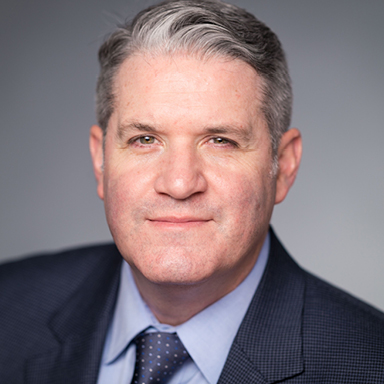
Across New York City, STV’s teams are applying collaborative delivery strategies, technical expertise and forward-looking planning to some of the region’s most complex infrastructure projects. Anthony Pastore, east regional director for STV’s program management and construction management group, has seen firsthand how these approaches can help agencies and developers navigate complexity while delivering long-term value.
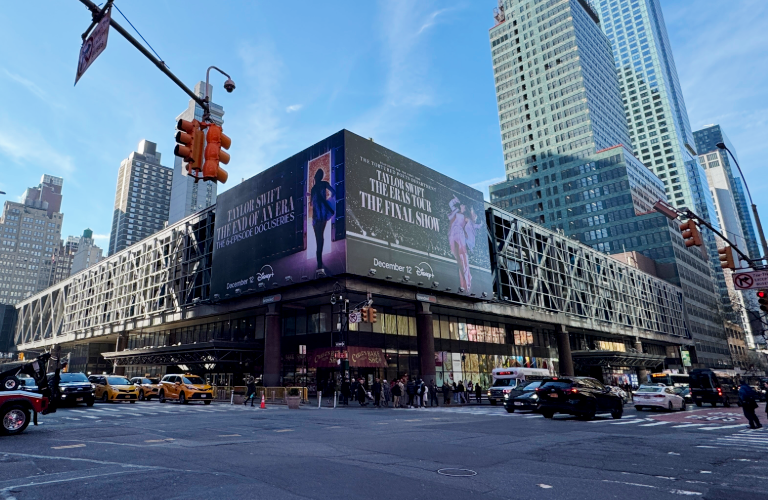
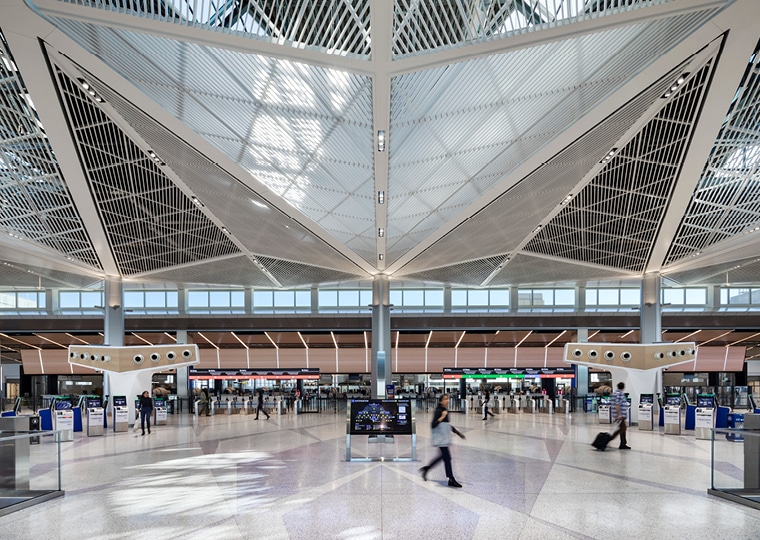
Projects such as the World Trade Center Transportation Hub, JFK New Terminal One and the Midtown Bus Terminal illustrate how modern approaches are redefining urban infrastructure delivery. From preserving a city landmark through extensive structural stabilization and careful façade restoration to executing phased construction on major transportation projects, each effort reflects the importance of strategic planning, coordination and innovation in shaping infrastructure that serves New Yorkers for decades.
In this interview, Pastore further explores the lessons, innovations and challenges behind delivering some of New York City’s most complex projects.
1. How has your approach to project delivery evolved over your career?
When I started in project management, the focus was heavily on traditional delivery methods like design-bid-build. While that delivery model works for many projects, over time I’ve seen how alternative approaches, like progressive design-build, can offer better collaboration and efficiency, especially on complex urban projects. The key is matching the delivery method to the project’s unique needs, risk profile and stakeholder demands.
2. Can you share a particularly challenging project and how you overcame obstacles?
The World Trade Center Transportation Hub stands out. Coordinating construction in a live urban environment, managing multiple stakeholders and integrating cutting-edge design elements was incredibly complex. Success came from early collaboration, transparent communication and a focus on overcoming challenges before they became bottlenecks. It taught me that flexibility and proactive planning are just as important as technical expertise.
3. What role does innovation play in delivering projects like JFK New Terminal One and Midtown Bus Terminal?
Innovation isn’t just about technology; it’s about process, coordination and anticipating future needs. For JFK and the Midtown Bus Terminal, we focus on solutions that improve passenger flow, accessibility and long-term maintainability. Innovative scheduling, modular construction methods and leveraging design-build approaches allow us to deliver more efficiently without compromising quality.
4. What is one misconception people have about managing large-scale infrastructure projects?
Many people assume it’s purely technical work – that success comes down to plans and schedules. In reality, it’s as much about people as it is about construction. Building relationships with contractors, agencies and communities and managing expectations can make or break a project.
5. How do you see project delivery evolving over the next decade, especially in urban settings?
I think we’ll see more collaborative and integrated approaches, leveraging digital tools for planning, monitoring and communication. Sustainability and resilience will become core considerations, not just add-ons. Urban projects will need to be designed with adaptability in mind. They have to serve changing populations, technologies and transportation needs.
6. What advice would you give to emerging project leaders?
Stay curious, communicate openly and never underestimate the value of planning ahead. Learn from each project, whether it’s a historic building or a massive transportation hub. And remember, leadership is about enabling your team to succeed and delivering projects that truly serve the community.