Public agencies across California, as well as across the West Coast are facing growing pressure to modernize justice facilities – often while balancing active operations, heightened public accountability and delivery models that demand early, disciplined decision-making.
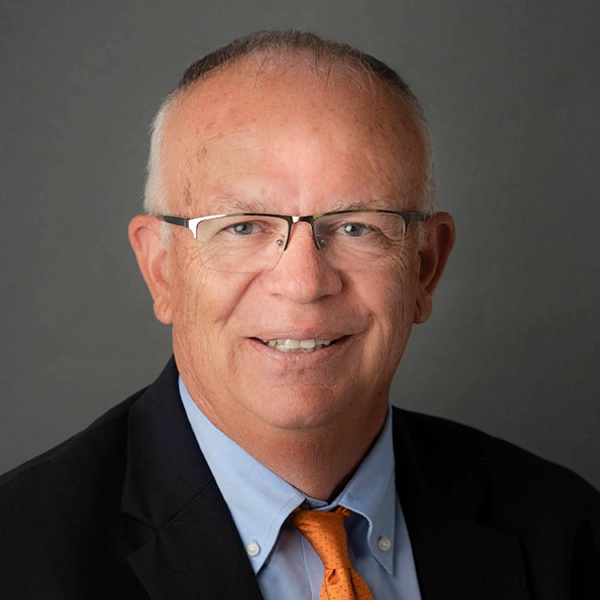
Mike Courtney, CCM, FDBIA, project director for Cypress Construction Management, an STV company, brings more than four decades of experience helping public owners plan and deliver large, complex capital programs by structuring governance, risk and decision-making from the earliest stages of delivery. A nationally recognized leader in design-build delivery and a mentor with the Design Build Institute of America (DBIA), Courtney has worked on both sides of the table – shaping delivery policy as a public-sector leader and guiding project teams as an owner’s advisor.
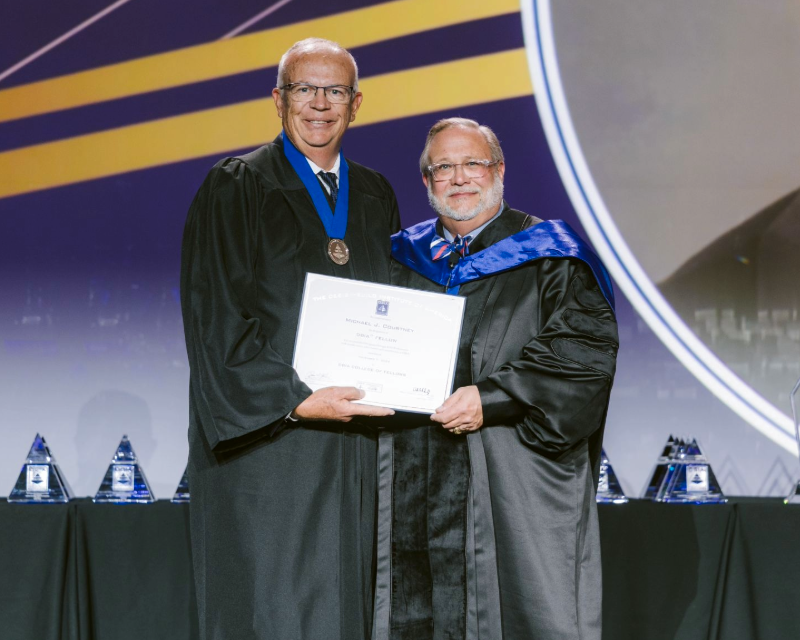
Courtney is currently serving as STV’s project director in providing construction management services in support of the Santa Barbara County North Branch Jail expansion, a major design-build project that reflects the evolving demands placed on modern justice infrastructure. In this Q&A interview, Courtney shares his perspective on leading complex design-build programs, fostering collaboration across diverse stakeholders and why services like project labor agreement (PLA) management are increasingly important on large public projects.
1. You’ve spent much of your career as an owner and advisor, helping shape design-build policy at the state level. How has that experience influenced how you approach projects today?
Working on behalf of both perspectives has given me a strong appreciation for the responsibilities and pressures public agencies face. Early in my career, I helped develop and implement design-build policies and procurement approaches for state agencies, underscoring the importance of early decisions for long-term outcomes.
Today, that experience helps me approach projects with an owner’s mindset. I focus on aligning delivery strategies with the client’s operational needs, risk tolerance and public obligations. Design-build can be a powerful tool, but only when it’s structured thoughtfully – something we focus on at STV by helping owners define expectations, risk boundaries and decision authority before teams ever mobilize.
2. You recommended that California adopt its first design-build statute and testified before the legislature in support of SB 776. What were your goals in doing this, and what do public owners still misunderstand about design-build today?
At the time, the goal was to give public agencies a delivery option that better aligned responsibility, risk and decision-making, particularly on complex projects where traditional approaches often struggled to keep pace with costs, schedules and evolving requirements. SB 776 was California’s first design-build enabling statute for public works projects, establishing the legal framework that allowed state agencies to use design-build delivery on complex capital programs. Design-build has been a big success at the state level in part because the reasons we implemented design-build in the early 1990’s still ring true.
One of the biggest misconceptions is that design-build is inherently riskier for public owners – a concern we’ve seen repeatedly when governance, procurement and owner-side support aren’t clearly defined. When it’s set up properly, with clear procurement, strong governance and the right expertise supporting the owner, design-build can reduce risk by improving coordination, accelerating decision-making and creating clearer accountability across the team.
3. Early in your career, you managed California’s first design-build projects in San Francisco, Los Angeles and Oakland. What lessons from those early projects still shape how you lead teams today?
Those projects taught me the importance of clarity – in contracts, roles and decision-making. When you’re doing something for the first time, you quickly learn that ambiguity can create friction or delay.
They also reinforced the value of collaboration and trust. Design-build only works when teams are aligned around shared objectives and issues are addressed early and openly. That lesson has stayed with me throughout my career, regardless of project type or scale.
4. STV is providing construction management services for the Santa Barbara County North Branch Jail expansion, overseeing the full design-build delivery. What makes projects like this particularly complex?
Justice and correctional projects present unique challenges. You’re balancing life-safety and security requirements, healthcare and rehabilitation considerations and the need to maintain reliable operations – all under intense public and regulatory oversight.
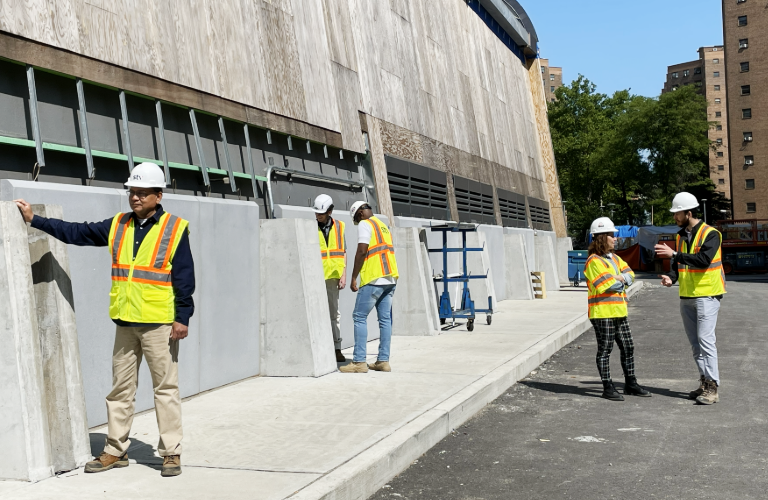
On a design-build project like the North Branch Jail expansion, construction management plays a critical role in helping the owner maintain visibility and control throughout the process, particularly on justice design-build projects where operational continuity, public trust and regulatory compliance are as crucial as cost and schedule. Our responsibility is to help manage risk, monitor costs and schedule and support informed owner decision-making throughout design and construction that aligns with the County’s goals. Success depends on disciplined planning, continuous coordination and a strong focus on delivering a facility that serves staff, residents and the broader community for decades to come.
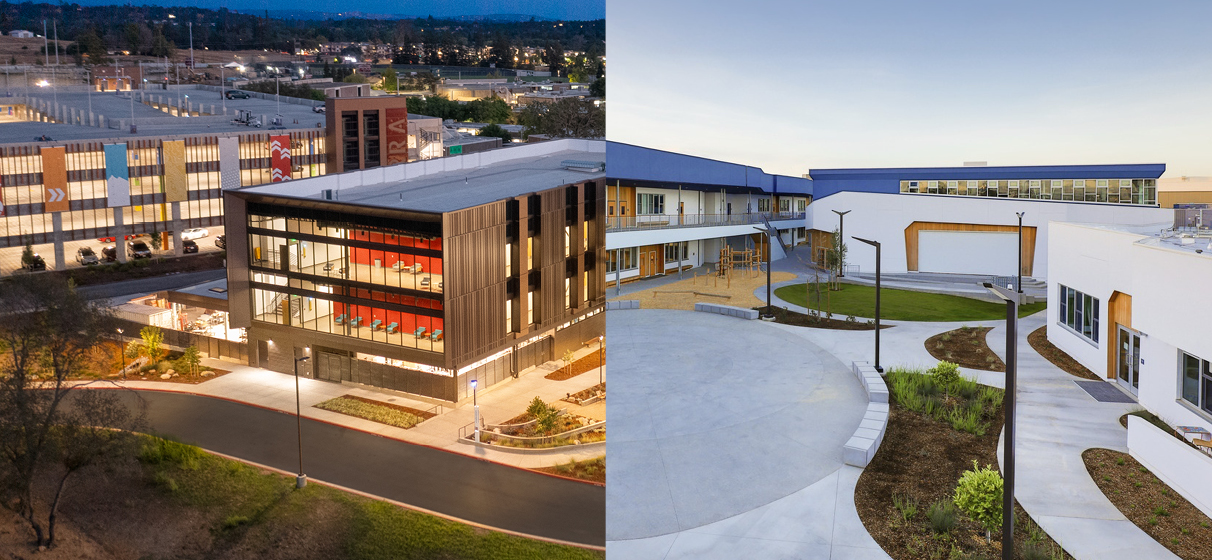
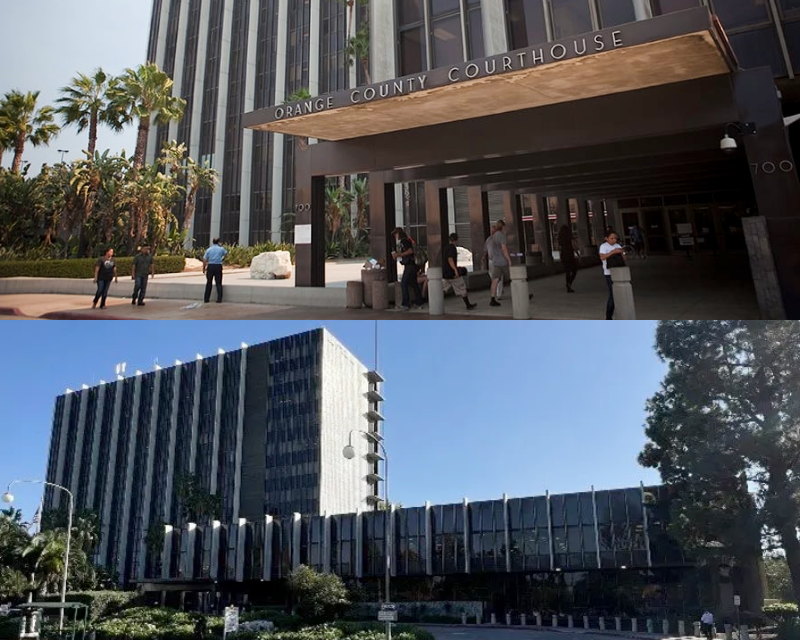
5. You’ve led major renovations and justice facilities like the Resources Building Renovation and the Orange County Central Justice Center, often while facilities remain operational. How does that experience shape how you manage risk and decision-making on active justice projects?
Projects that remain operational during construction demand a different level of discipline and foresight. You’re not just delivering a building – you’re supporting people who rely on that facility every day, from staff and service providers to individuals in custody and the surrounding community.
From a delivery standpoint, it requires rigorous planning, clear communication and close coordination with building operations teams. Phasing, access, security and life safety considerations all have to be thought through well in advance. Those experiences reinforce the importance of anticipating impacts early and making decisions that prioritize continuity, safety and trust alongside cost and schedule.
6. Why is collaboration so crucial for large justice infrastructure programs?
No single organization can deliver a project of this scale alone, which is why STV emphasizes early alignment across owners, operators and delivery teams before roles harden and risks escalate.
From a leadership standpoint, collaboration means creating an environment where issues are surfaced quickly – and where the owner has the information and support needed to make timely defensible decisions. When teams understand each other’s roles and work toward shared objectives – rather than protecting silos – it leads to better decisions, fewer surprises and stronger outcomes for the client and the public.
7. On the Santa Barbara project, STV is also providing labor compliance management services. Why is it important to separate labor compliance management from construction management, and what value does it bring to public agencies?
On this project, we have been tasked with monitoring the Counties Community Workforce Agreement (CWA), a distinct service that complements but is separate from construction management. The CWA’s focus is on locally based skilled labor involvement, a priority for the County that requires dedicated oversight, distinct from day-to-day construction management. While construction management focuses on managing the overall design and construction of the project to meet the goals and objectives of the project.
For public agencies, labor agreements like the CWA help create clarity and consistency for contractors and labor partners, reduce the risk of disruptions and support local workforce goals. When handled proactively, it contributes to a more predictable construction environment, ultimately benefiting the project, the workforce and the community the facility serves.
8. You’ve overseen more than 11 million square feet and $6 billion in projects across many facility types. What patterns do you see in the projects that succeed, regardless of sector?
Successful projects tend to share a few common traits – most notably strong, informed leadership on the owner side. They start with clear goals, realistic expectations and strong leadership from the owner side. They also invest in planning, team alignment and decision-making frameworks.
Regardless of sector, projects perform better when teams communicate openly, manage risk proactively and stay focused on long-term outcomes rather than short-term wins. Those fundamentals matter just as much as the delivery method itself.
9. Looking ahead, what should public agencies prioritize as they plan the next generation of justice infrastructure projects?
Agencies need to take a holistic, long-term view, one that connects policy, operations and delivery strategy rather than treating them as separate decisions. That means understanding how facilities will support evolving approaches to safety, healthcare delivery and rehabilitation, while remaining adaptable to future needs.
From a delivery standpoint, choosing the right project delivery method, building strong teams and investing in thoughtful planning upfront are critical. Projects that succeed are those where agencies balance innovation with reliability – keeping a clear focus on public value, operational continuity and trust throughout delivery.