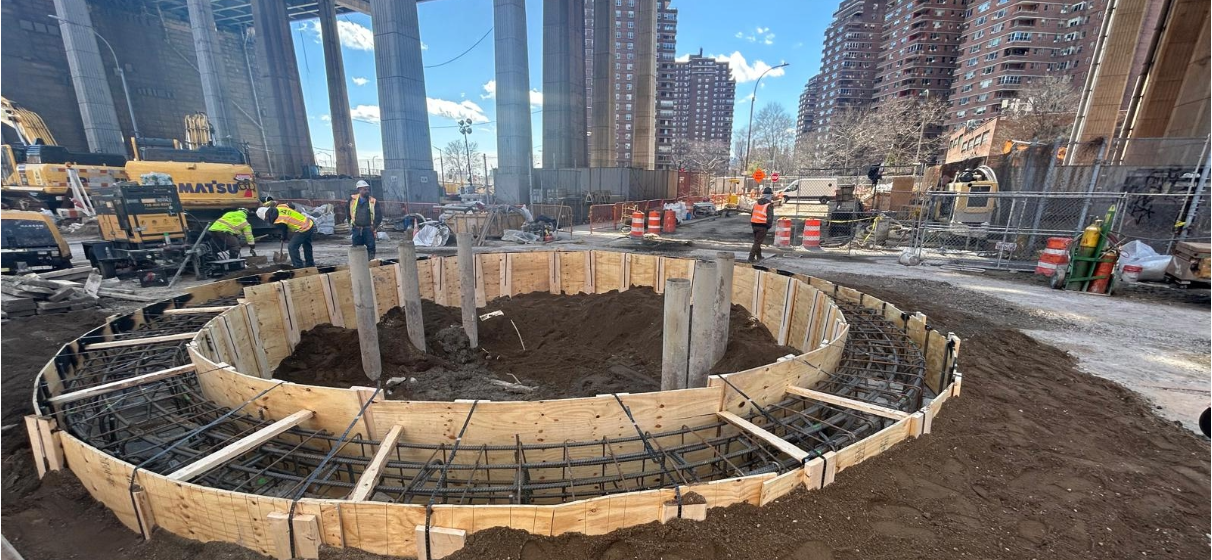
For a program like East Side Coastal Resiliency (ESCR), success is measured by more than what gets built. It is also measured by how construction is sequenced, how access is maintained and how a major resilience effort moves forward while the surrounding neighborhood continues to function. Along Manhattan’s East Side, that means building flood protection and critical infrastructure while keeping the community connected to parks, streets and the waterfront whenever possible.
That balance is central to ESCR. The program integrates flood protection into the community fabric rather than walling the neighborhood off from the waterfront, while phasing construction so open space and access remain available throughout the work. Within that broader effort, the Parallel Conveyance scope focuses on sewer and drainage improvements that strengthen protection during heavy rainfall events, complementing the raised parkland, floodwalls and floodgates being delivered across the larger program.
On behalf of the New York City Department of Design and Construction (NYCDDC), STV is providing resident engineering and inspection services (REI) for the third phase of the ESCR program. In this role, STV is helping keep complex sewer and drainage work aligned with project requirements while construction moves through an active Manhattan neighborhood. That includes overseeing field conditions related to existing and new drainage, coordinating around potential street and sidewalk closures, detours and temporary watermain shutoffs, and helping the team navigate the day-to-day realities that can affect progress on a live urban site.
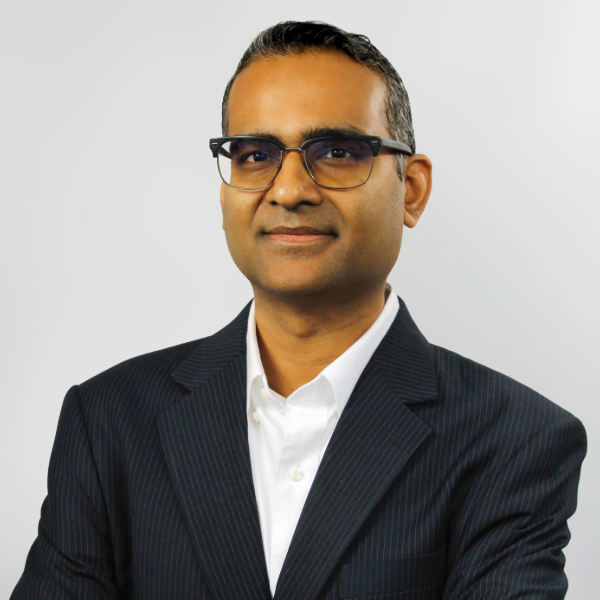
In this Q&A, STV spoke with Fahad Usmani, REI senior resident engineer, about his role in guiding that field effort and what it takes to keep work moving safely, carefully and in step with the surrounding community.
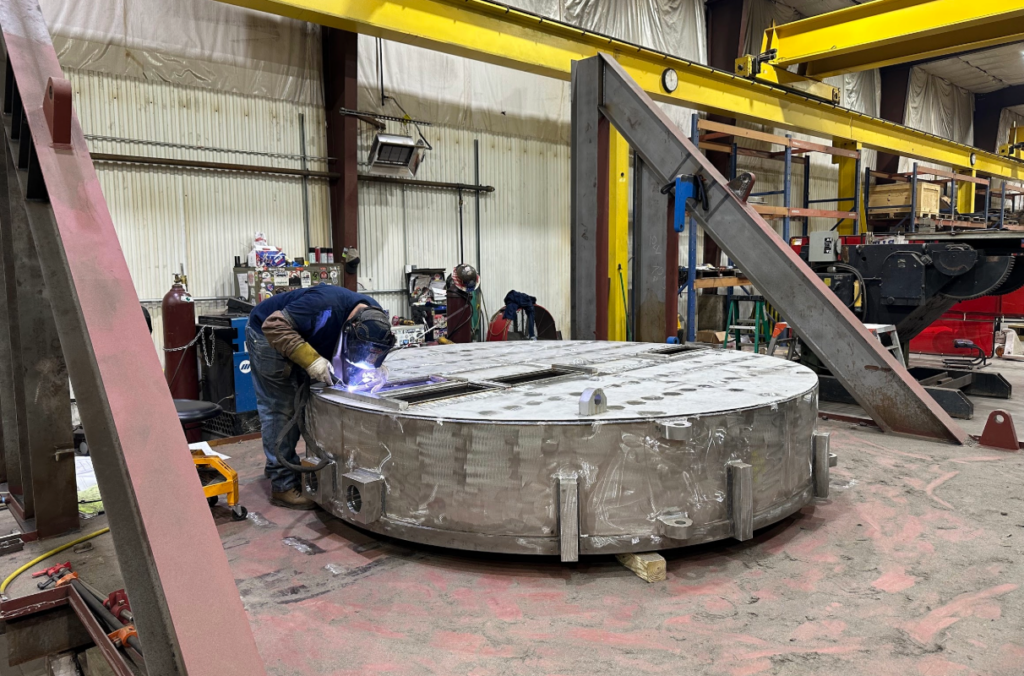
1. ESCR is a resilience project unfolding in the middle of an active neighborhood. How does that shape your day-to-day experience in the field?
It shapes almost every decision we make. In my role, and for the STV REI team, the job is to observe the work and help ensure it progresses in a way that reflects both the project requirements and the realities on site. That means paying close attention to construction activity while also considering pedestrian movement, nearby operations, access needs and the kinds of disruptions that can occur when teams are not aligned. For example, we may need to adjust inspection sequencing around active pedestrian routes or account for existing utility conditions that affect how a planned activity can proceed. On a program like this, field oversight has to account for both the infrastructure being built and the neighborhood around it.
2. What does coordination look like when construction needs to advance while the neighborhood continues to function?
From an REI perspective, coordination is very hands-on. STV is closely monitoring how work is unfolding in the field, what conditions may affect the next activity, and where communication is needed before an issue grows. That can mean reviewing utility activity, monitoring inspections, confirming readiness for a closure or shutdown and making sure the sequence of work is practical for the contractor and the surrounding area.
On a resilience project in a dense urban environment, planning extends beyond construction activities themselves. Every work operation interacts with how people move through the neighborhood, access services and navigate the surrounding area. A significant part of our role is understanding those connections early and helping teams align around them so work can continue safely and predictably.
Regular communication supports that effort. In a neighborhood like this, a relatively small field change can affect traffic patterns, utility work, inspections or public access. Staying aligned across teams helps address those impacts before they begin affecting the broader project or community.
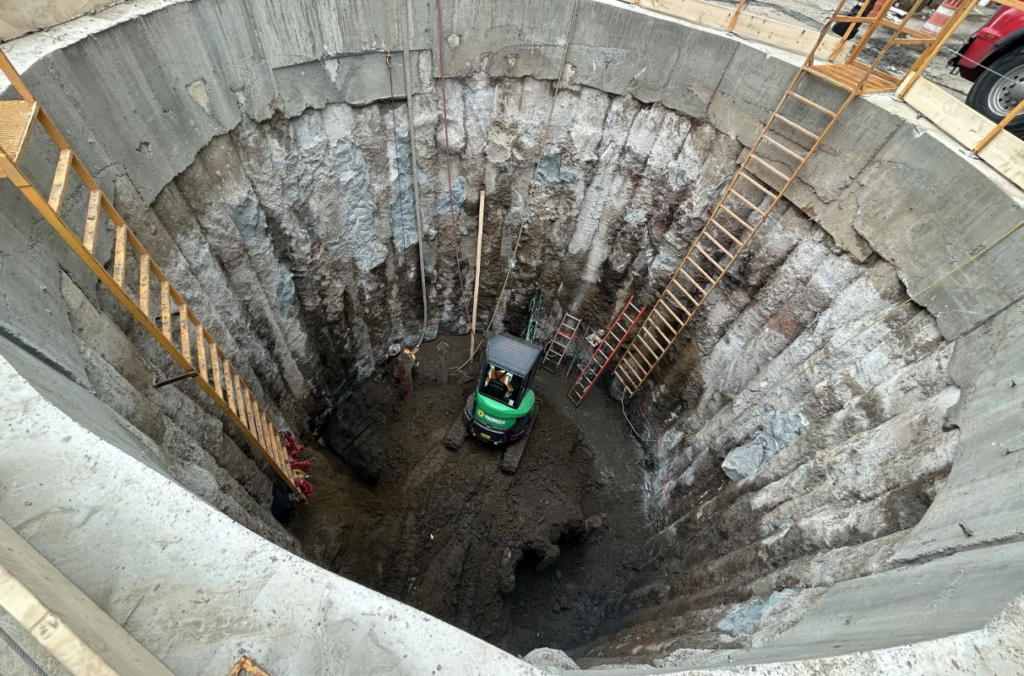
3. Phase three includes major sewer and drainage improvements. What makes that work especially important within the larger ESCR program?
It is a key part of how the flood protection performs in protecting more than 110,000 New Yorkers from coastal storms and sea-level rise during heavy rainfall events. People often associate resilience projects with visible protections – the floodwalls, floodgates or raised landscapes – but underground systems are just as important. Optimizing existing drainage and adding new drainage helps the broader program respond not only to coastal flooding but also to stormwater pressure during major weather events.
From the STV field side, that kind of work requires extensive verification and coordination. Existing conditions can vary, underground systems do not always match the drawings perfectly and nearby utility or roadway impacts can affect how work proceeds. A big part of our role is confirming field conditions as work progresses, communicating across teams and adapting field activities when existing conditions differ from design assumptions so construction can continue safely and efficiently.
4. How do teams balance active construction with the reality that the neighborhood still has to work every day?
That balance is one of the defining challenges of this kind of project, and STV is constantly thinking about it in the field. Streets still need to function, utilities need to remain reliable and people still need to reach the spaces and services they use every day. So, our role is to support the infrastructure work through inspection, coordination and thoughtful sequencing with a clear understanding of how the neighborhood will continue to operate during construction.
That takes flexibility. Conditions change, schedules shift and site needs evolve, so good field oversight is often about adjusting the sequence thoughtfully while helping the project move forward and minimizing disruption where possible.
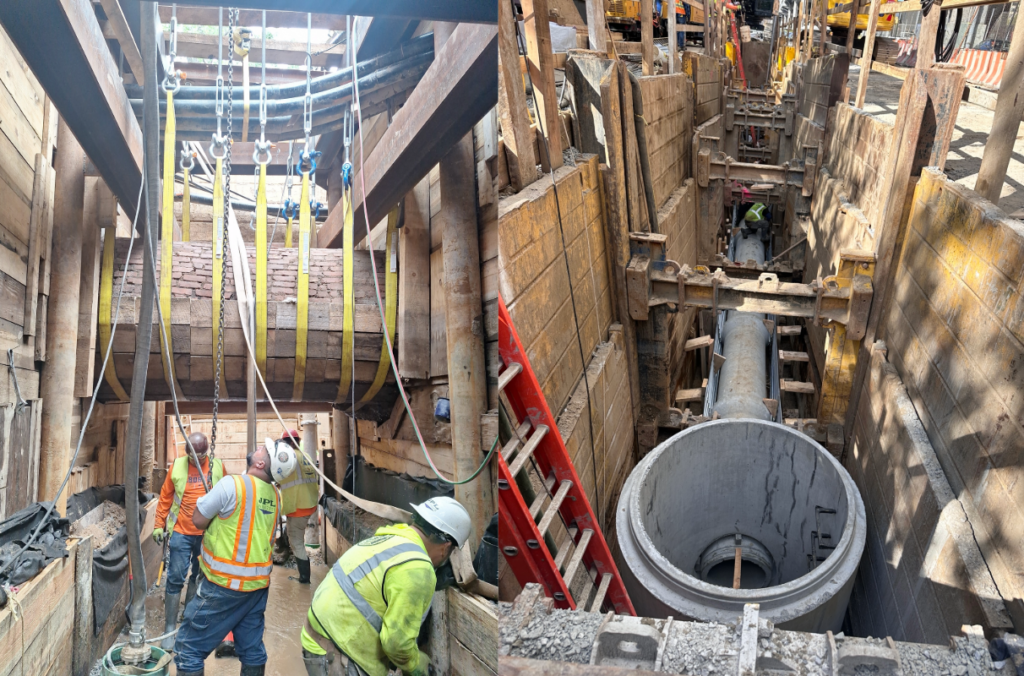
5. Projects like ESCR receive attention from city leadership, agencies and the public. What do those moments mean from the field perspective?
They are a reminder that progress on a project like this is measured by more than visible construction milestones. Behind every milestone are daily decisions about safety, access, sequencing and coordination that help keep both the project and the neighborhood moving forward. For me and for STV’s field team, those moments provide an opportunity to explain the work that makes those outcomes possible. Recent site visits from city leadership, including Paul Ochoa, the newly appointed commissioner of NYCDDC, reinforce how much attention the project is receiving and better connect what people see on the surface to the decisions being made in the field to maintain access, manage changing conditions and support the larger resilience goals the project is meant to achieve.
They also create an opportunity to explain the broader picture. ESCR spans multiple project areas and phases, with public updates underscoring how construction is sequenced to preserve access to open space and reconnect people to the waterfront as areas reopen. Within that context, phase three’s sewer and drainage work may be less visible than the raised parkland, floodwalls or floodgates, but it plays an essential role in helping the overall system perform as intended during heavy rainfall and coastal storm events.
6. What do you find most rewarding about working on a long-term project like ESCR?
What I find most rewarding is knowing that the work our STV team is doing in the field contributes to something that will serve the city for decades. It is meaningful to help guide day-to-day decisions that strengthen resilience, support safer infrastructure and help the project move forward in a way that respects the surrounding neighborhood. On a long-term effort like ESCR, that sense of responsibility is always present.
On ESCR, resilience is reflected in both the infrastructure being built and the way it is delivered. Through phased work, consistent collaboration and careful attention to community access, the project is helping prepare the city for future challenges while supporting the neighborhood throughout construction.