As infrastructure investment accelerates across Texas and large capital programs continue to expand, the demand for skilled PM/CM professionals is growing just as quickly – placing new pressure on talent pipelines, workforce development and long-term career growth. Against this backdrop, leaders across the state are thinking more intentionally about how on-ramps into the profession take shape – and who they reach.
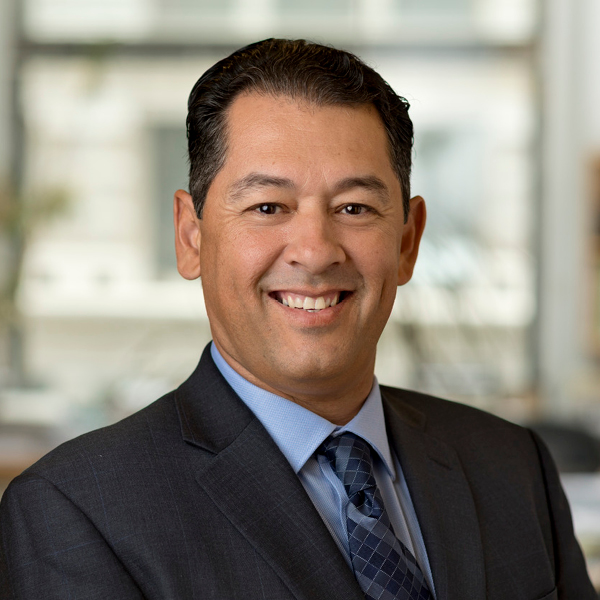
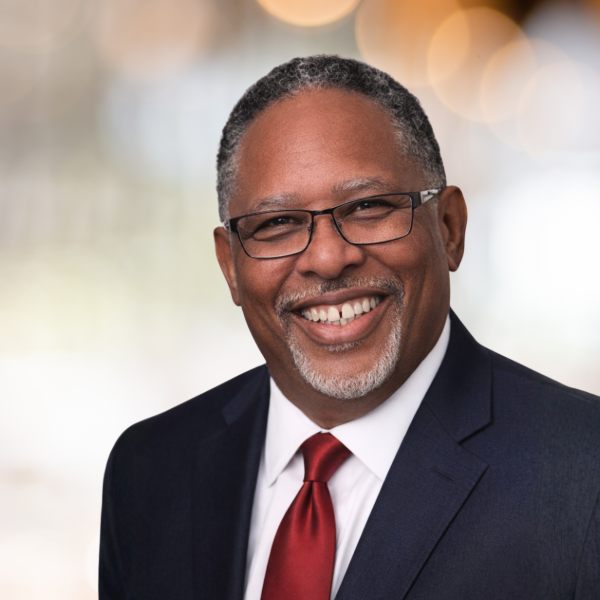
For STV’s Luis Delgado, president of the firm’s program management and construction management (PM/CM) team; Rigo Salinas, senior vice president and national development director for PM/CM; and Wayne Warren, vice president and senior program director of education for PM/CM; that work is grounded in both experience and action.
After seven years serving on the Regional Hispanic Contractors Association (RHCA) board, Delgado has been selected to lead the RHCA Foundation in Texas for the next two years. In this role, he will help advance the Foundation’s work supporting education, small-business growth and workforce on-ramps into the profession and long-term career mobility across the state. Meanwhile, Salinas was recently appointed to the RHCA board, and Warren is currently on the board of the Regional Black Contractors Association.
In this roundtable, all share perspectives on leadership, collaboration and how the industry can expand access while supporting sustainable career growth in Texas.
Luis, after seven years on the RHCA Board, what does it mean to step into this leadership role with the RHCA Foundation?
Luis Delgado: For me, it comes down to service. My time on the RHCA Board showed me what’s possible when an organization is focused on creating access in practical, meaningful ways – especially when those efforts are connected to real project environments and contractor networks. Stepping into this role with the Foundation is a continuation of that work – but with a more direct connection to building more opportunities through scholarships, grants and workforce development. When you’re talking about those programs, you’re talking about real entry points that can shape someone’s path into this industry and support long-term growth across complex programs.
What drew you to the Foundation’s mission, particularly its focus on grants, scholarships and workforce development?
Luis Delgado: I’m drawn to it because it’s both practical and people centered. Grants can help the association gain momentum with direct engagement in supporting local agencies and organizations deliver their projects while the RHCA expands their capabilities. Scholarships open doors for AEC students in Texas who are working to build a future in this industry and to grow the influence of the RHCA. Workforce development is where those efforts come together – because our industry only stays strong if we continue investing in the next generation of talent across public-sector programs and evolving delivery environments. What makes the mission meaningful is that you can see its impact in real terms – not abstractly, but in the opportunities it creates.
What are your top priorities for the Foundation over the next two years?
Luis Delgado: My priority is to ensure the Foundation builds a more stable process to help expand the engagement of industry partners to grow the mission and influence of the foundation. In previous years we have relied too much on the RHCA and industry grants.. That means strengthening the programs already in place, expanding their reach and staying closely connected to what students, professionals and contractors need most as the industry evolves. It also means building stronger partnerships – particularly with organizations and contractors engaged on large capital programs across Texas. When organizations are aligned around a shared goal, the impact becomes much more significant. Success, to me, is making sure the Foundation is not just active, but creating lasting impact that translates into sustained career mobility and business growth.
Rigo, as you begin your new role as RHCA Board Director, what opportunities do you see ahead for the organization?
Rigo Salinas: This is a moment where organizations like RHCA can play a more strategic role in shaping not just how the industry grows but how businesses can participate and contribute in that growth. This can happen through strengthening partnerships, building more intentional talent pipelines and creating clearer on-ramps and progression routes into the industry.
Throughout my career – across education, aviation, municipal work and large capital programs – I’ve seen the difference that aligned organizations can make. The RHCA is well-positioned to build on that foundation, particularly by connecting workforce development efforts to active project pipelines, industry networks, and contractor ecosystems, creating real value for its members and the industry more broadly.
How do you see the RHCA Board and RHCA Foundation working together to support contractors and future industry leaders?
Rigo Salinas: I think of it as alignment between vision and investment. The Board helps set direction, strengthen industry engagement and build momentum. The Foundation takes that momentum and helps inform programs that directly support people and businesses. In my experience, the strongest outcomes come when strategy is backed by action – especially when those programs are tied to the needs of public-sector clients and large-scale program delivery. If the Board and the Foundation stay aligned around that shared purpose, we can create a more connected and effective support system for contractors, consultants, students, and emerging professionals.
Wayne, from your perspective, why is it so important for industry organizations to invest in workforce development and opportunity?
Wayne Warren: Because if we’re not investing in people, we’re not investing in the future of industry. Over the course of my career – working on programs tied to schools, universities and public-sector projects – you see very clearly that long-term success is about more than the infrastructure itself. It’s about the people who plan it, deliver it and sustain it over time. Workforce development creates a pathway in, and organizations like ours help make that pathway more visible, more accessible and more supportive.
Where do you see the greatest opportunity for collaboration among organizations working to support contractors and underrepresented communities?
Wayne Warren: The biggest opportunity is in showing up together around shared goals. Many organizations are committed to expanding access and representation, but the real impact comes when those efforts are connected. Collaboration works best when it’s practical – sharing knowledge, opening doors and building pathways that lead to measurable outcomes for people and communities. When that alignment is there, the support system becomes broader and more sustainable – especially when it reflects the realities of project delivery and long-term workforce needs.
What are the biggest challenges facing the next generation entering the industry today?
Luis Delgado: One of the biggest challenges is awareness and ways to create access to employment and entrepreneurship opportunities. There are talented students, young professionals and entrepreneurs who may not fully understand how many opportunities exist in Texas – and how to access them.
Rigo Salinas: I’d add that access alone isn’t enough. People also need structure – mentorship, exposure, professional networks and clear progression points that help them move from initial interest into long-term career growth.
Wayne Warren: And once people enter the industry, they need to feel like they belong. If we want the next generation to stay and succeed, we have to create environments where they feel supported, recognized and encouraged to keep moving forward.
What does meaningful workforce development look like in practice?
Luis Delgado: It starts with creating real entry points – scholarships, training opportunities and support systems that help people take that first step into the industry and transition into real project environments. Industry needs to engage with organizations like the RHCA to grow in a joint partnership while we advocate and help grow the industry.
Rigo Salinas: It also requires alignment. Workforce development is most effective when industry organizations, employers and educators work toward the same goal and build programs that are practical, relevant and sustainable – with direct connections to project delivery needs.
Wayne Warren: And it has to extend beyond that first opportunity. Meaningful workforce development means staying invested in people over time – through mentorship, experience and guidance that helps them build confidence and continue progressing in their careers across increasingly complex programs.
What message would you share with students, young professionals and emerging leaders considering a future in this field?
Luis Delgado: There is a place for you in this industry. It needs people who are willing to bring new perspectives and take on complex challenges – because that’s how real progress happens. If you are technology focused, we need more than any other industry talent to help move construction forward.
Rigo Salinas: Be intentional about your growth. Ask questions, build relationships and seek out experiences that challenge you. Those moments are what shape long-term careers and prepare you to contribute to larger, more complex programs over time.
Wayne Warren: Stay with it, even if the path isn’t always clear at first. There are people and organizations who want to see you succeed – and often, one opportunity or one connection can make all the difference. The industry needs your perspective, and the demand for committed, capable professionals will only continue to grow.