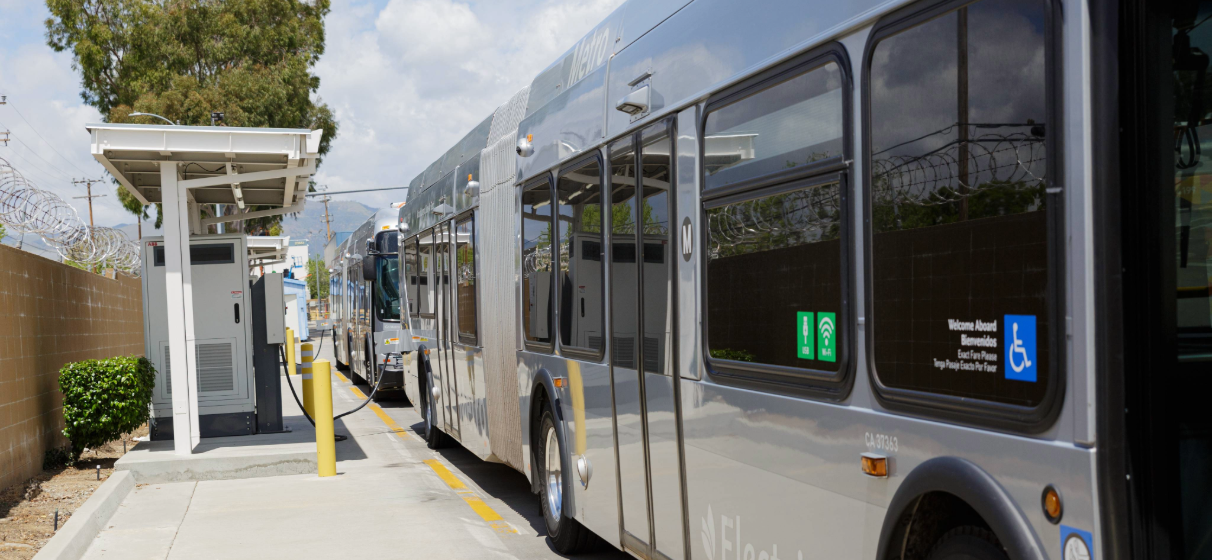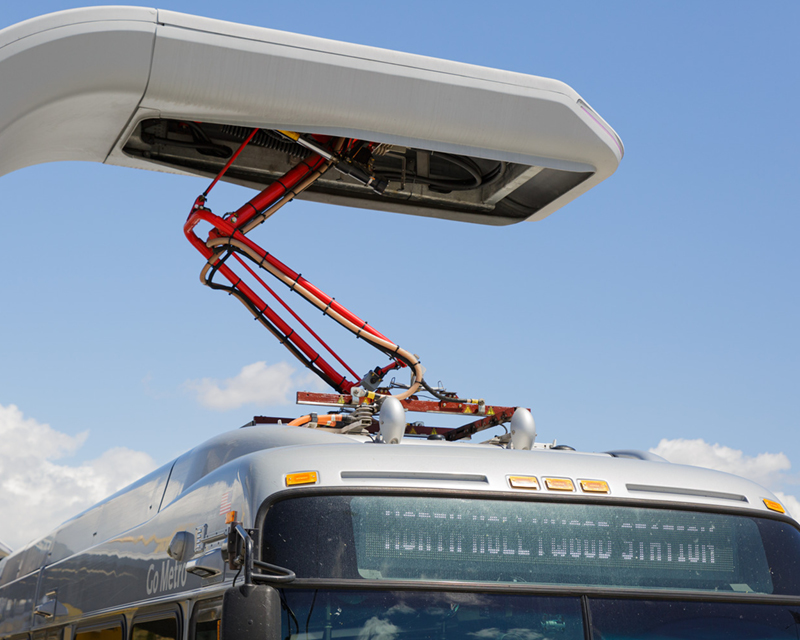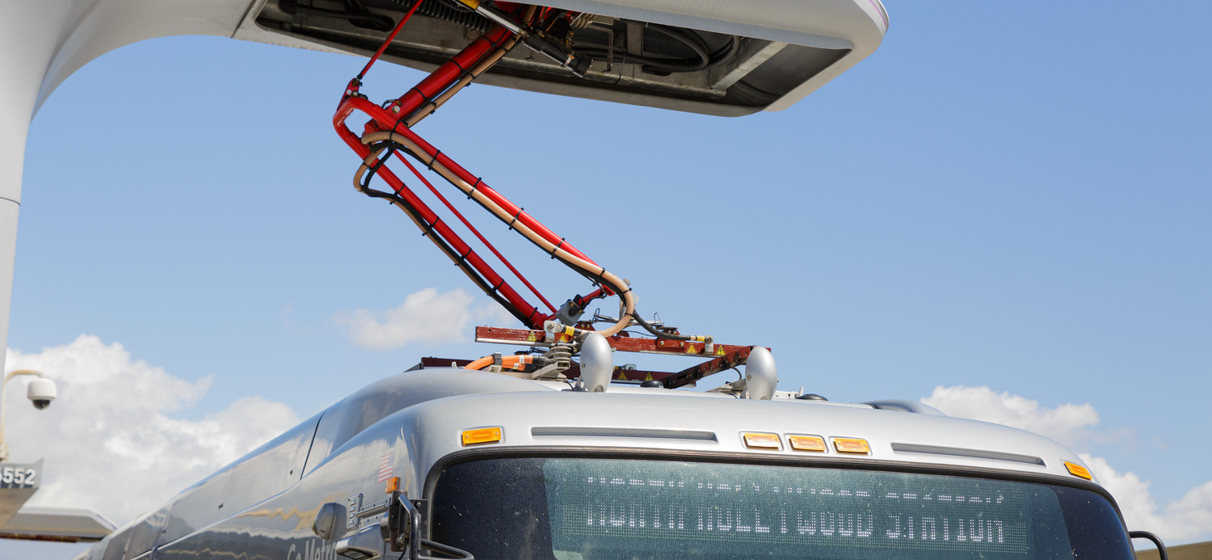
The Los Angeles County Metropolitan Transportation Authority (Metro) operates the largest clean-air bus fleet in the United States, serving over 800,000 riders daily. As Metro continues its ambitious modernization program – including its NextGen Bus Plan and its Zero Emission Bus (ZEB) Master Plan – the agency is reshaping how Angelenos move across the region. These improvements are about more than new buses: they reflect Metro’s commitment to cleaner air, improved service reliability and enhanced access to mobility for every community it serves.
STV is partnering with Metro to help achieve these goals, delivering the technical expertise and engineering innovation required to keep the authority’s 2,000+ vehicle fleet performing at its best. From optimizing maintenance and operations to preparing facilities for next-generation electric and hydrogen-fueled vehicles, STV’s multidisciplinary team is working with Metro to enhance the dependability and longevity of its bus system.
As part of a new contract, STV will provide technical consultancy services to improve the performance of Metro’s compressed natural gas (CNG) and growing zero-emission bus fleets. This work builds on STV’s ongoing role in supporting Metro’s Zero Emission Bus Master Plan – a roadmap to transition its entire fleet to 100% zero-emission vehicles.
We spoke with Sam Hrvacic, vice president of bus and road vehicles engineering at STV, about this exciting next chapter in STV’s partnership with Metro and how technical innovation is keeping communities on the move.
1. What is the focus of STV’s new technical consultancy contract with LA Metro?
This engagement is all about enhancing fleet reliability and availability. Metro operates one of the nation’s largest and most complex bus systems, so small improvements in performance can have a big impact on riders. Our team is supporting Metro with a suite of technical services – from failure and fatigue analysis to process optimization and improvements in mean distance between failures (MDBF). By working side by side with Metro’s maintenance and engineering staff, we’re developing strategies that extend vehicle lifespans, reduce service disruptions and help keep buses in service longer and more consistently.
2. How does this effort align with Metro’s broader zero-emission goals?
Reliability and sustainability go hand in hand. As Metro transitions to a 100% zero-emission fleet, we’re applying lessons learned from decades of vehicle engineering to help that shift happen smoothly. Our team, in joint venture, assisted Metro in developing its ZEB Master Plan, which encompasses a comprehensive range of initiatives, including vehicle procurement, facility upgrades, workforce training and utility coordination. Now, through this new contract, we’re able to continue supporting Metro as it modernizes both its CNG and electric bus fleets in parallel – helping the agency make smart, data-driven decisions that balance near-term performance with long-term transformation.
3. What kinds of improvements can riders and communities expect as a result?
Ultimately, the work we’re doing is about improving quality of life. When buses run more reliably, riders get where they need to go on time, and the whole system operates more efficiently. By helping Metro prepare for next-generation clean technologies – like battery-electric and hydrogen fuel cell buses – we’re also contributing to a healthier environment and stronger communities. This partnership reinforces STV’s mission to make communities better through innovative engineering that connects people, places and opportunity.
4. How does this partnership help Metro and its communities achieve their goals?
This partnership is about helping Metro deliver on its promise of safe, reliable and sustainable mobility for Los Angeles. By combining our engineering and fleet management expertise with Metro’s deep operational knowledge, we’re able to develop solutions that make a tangible difference – reducing downtime, improving performance and supporting the transition to cleaner technologies. The result is a bus network that’s more resilient, efficient, and community-focused – one that reflects the region’s commitment to innovation and environmental stewardship.