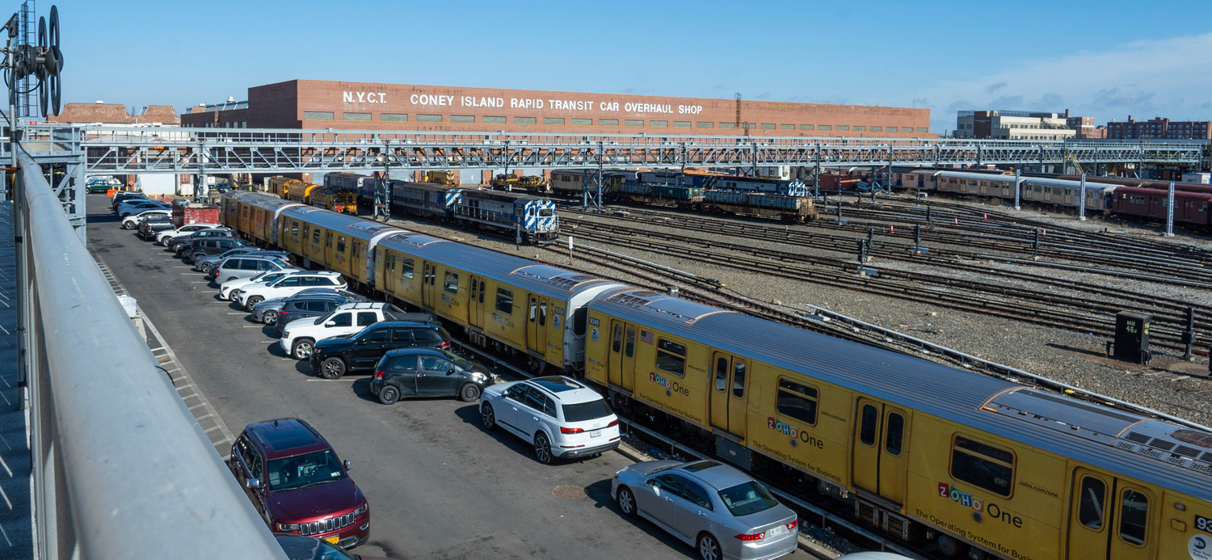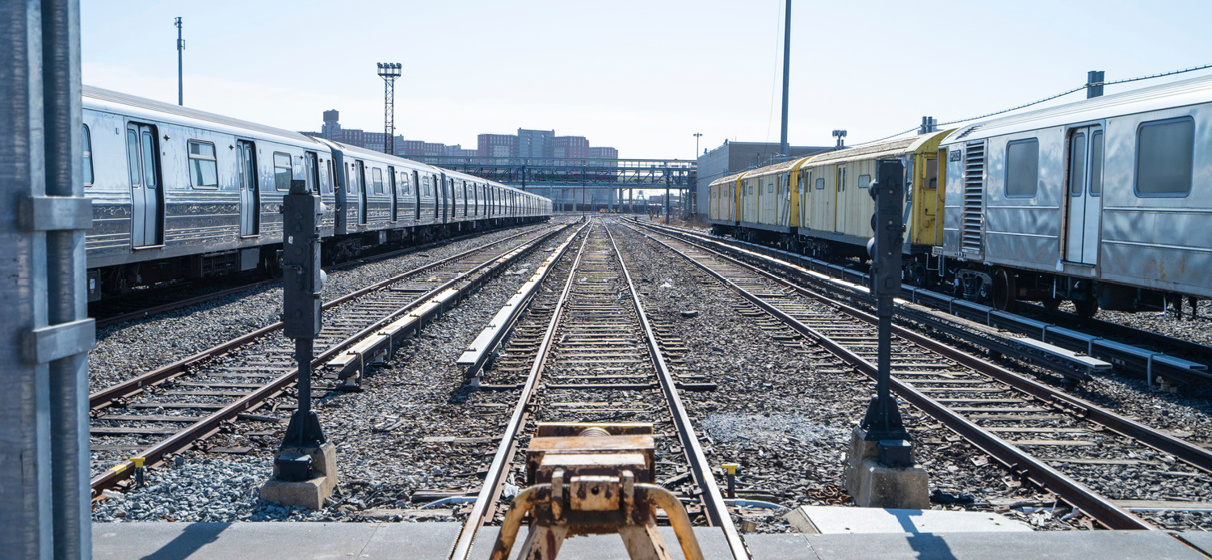
The rise of environmental shocks impacting critical infrastructure such as rail and bus systems has led to many public agencies across the United States to rethink how they incorporate long-term resilience into capital improvement programs. The recent completion of the Metropolitan Transportation Authority (MTA) New York City Transit’s (NYC Transit) $393-million Rockaway Line Resiliency and Rehabilitation project marks the full realization of a new path forward in delivering more resilient infrastructure.
STV, on behalf of MTA Construction & Development (MTA C&D), served as the design-build bridging consultant for this program. Superstorm Sandy devastated the Rockaway Line in 2012. A storm surge inundated 12,800 feet of track with four feet of water, completely flooding two stations and washing out 1,500 feet of infrastructure. While emergency response restored basic services in the immediate aftermath, it was soon recognized that it would take more than isolated repairs to create lasting resilience.
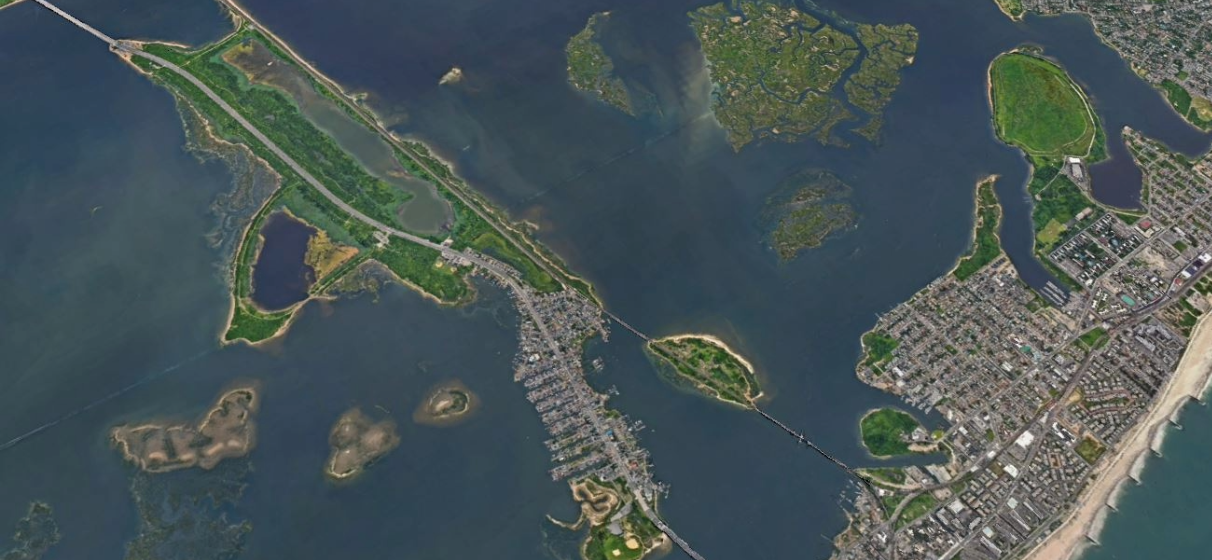
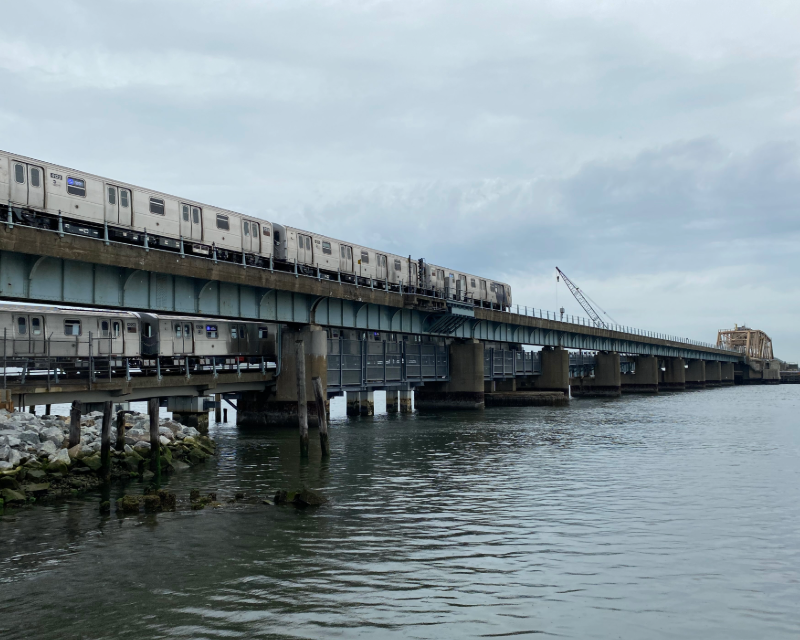
STV’s post-Sandy feasibility studies revealed that multiple key components along the four-mile Jamaica Bay crossing had reached the end of their lifecycle. The South Channel Bridge’s mechanical systems were failing. The Hammels Wye Viaduct needed complete rehabilitation. Signal infrastructure required comprehensive modernization. Each component represented a major project on its own, and each would require significant service disruptions to address.
STV’s design-build bridging documents pioneered a different approach, consolidating five essential rehabilitation projects into a unified program, transforming how an initiative like this was typically delivered.
The documents identified these components to address:
- The South Channel Bridge Rehabilitation: A complete overhaul of the swing bridge’s mechanical, electrical, instrumentation and controls systems. This vital structure opens for marine traffic, including fuel tankers serving JFK Airport, in a vital maritime corridor.
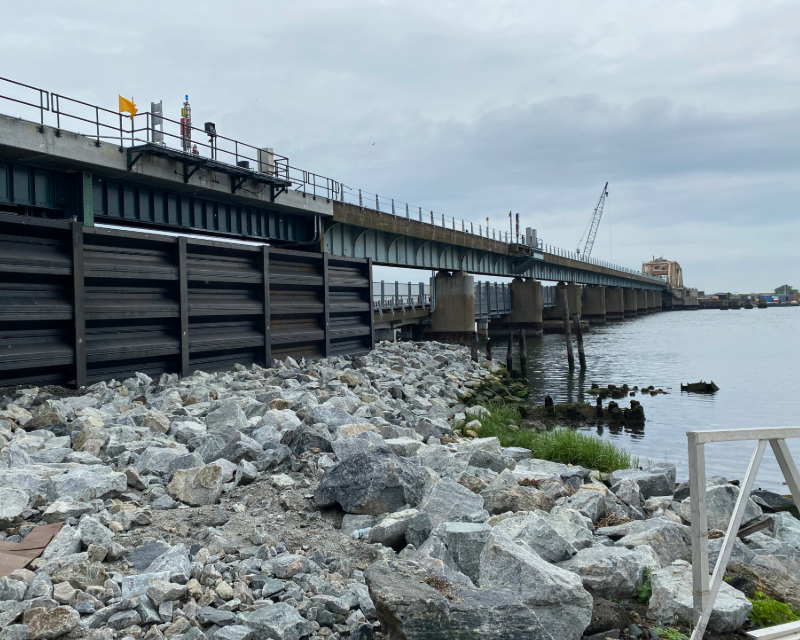
- Hammels Wye Viaduct reconstruction: This project involved rebuilding 800 feet of deteriorated structure where the line diverges to Far Rockaway and Rockaway Park. It required the installation of 250 tons of steel and 37 girders during carefully coordinated shutdowns. Additionally, the project called for the restoration of signal, track and communications systems, as well as wave barrier protection at its perimeter.
- Rockaway Viaduct repairs: Consisted of component repairs to over five miles of viaduct structure, replacement of elevated signal supports and the rehabilitation of signal manholes and deteriorated ductbanks and catwalks.
- Beach 105th Street Signal Tower and crossover modernization: Involved the construction of a new elevated signal tower adjacent to the existing station, new terminal facilities, a connector catwalk, track crossover and related traction-power and signal system work, a new five-foot wide storm sewer, realignment of the existing sidewalk and crosswalks, utility relocation and reconstruction, as well as a new circuit breaker house.
- Rockaway Line resilience improvements: New resilient infrastructure throughout the corridor, including 12-foot wave barriers and debris shields designed to exceed 100-year flood standards based on our comprehensive flood mitigation studies. Embankment scour protection was implemented in the North and South Channel Bridges and the Subway Island Viaducts, as well as debris barriers along channel bridges and hardening of key facilities at various stations in the Rockaways.
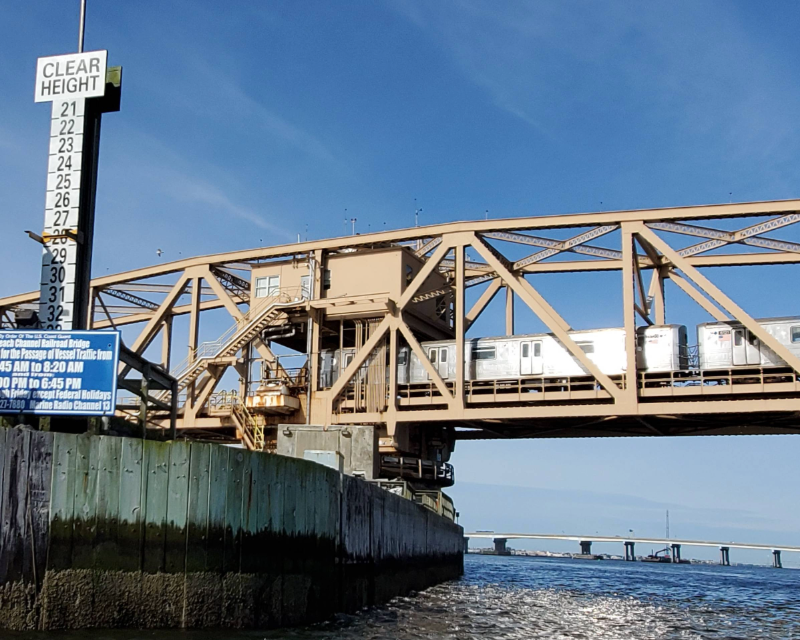
STV played a vital role in this program. Building on the team’s 30% design development for flood mitigation measures, the structural analysis identified not just individual component failures, but the interdependencies that made coordinated delivery essential. When the team determined that the Hammels Wye’s concrete deck required complete replacement, we worked with the MTA C&D and NYC Transit to coordinate a major 17-week shutdown with the South Channel Bridge overhaul to maximize the value of service disruption while minimizing community impact.
In addition to restoring A train subway service to 12,500 daily riders, the program also successfully coordinated construction activities so as not to impact peak beach season. The Rockaway Line Resilience and Rehabilitation project proves that integrated design-build delivery can transform vital infrastructure while supporting the communities that depend on it. It highlights a future of delivering a program systemically rather than project by project.