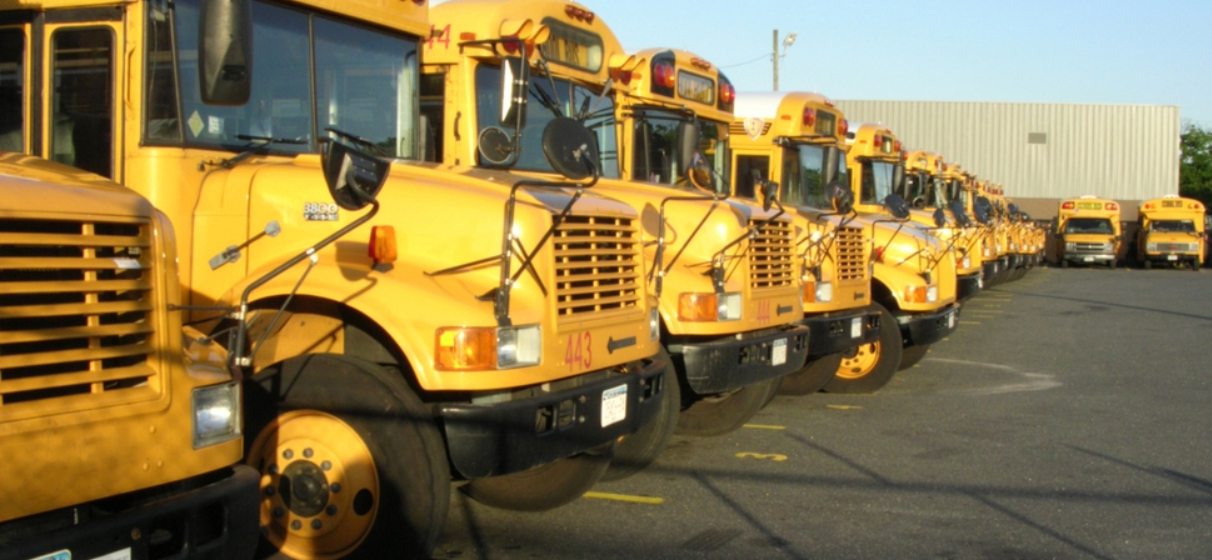
School districts across the country are advancing plans to transition their diesel bus fleets to zero-emission technology. However, transitioning to electric school buses requires far more than simply purchasing vehicles. There are approximately 500,000 school buses nationwide – five times the number of public transit buses.
As part of this transition, districts must navigate power availability, charging infrastructure upgrades, evolving safety standards, workforce training and long-term capital planning: all while maintaining reliable service for students.
STV’s zero-emissions experts help districts build a clear, data-driven roadmap for this transition. Senior Vice President and National Director of Zero Emissions Mobility, Craig Cipriano, shares insights on the most common challenges districts face and how STV supports successful, scalable and safe electrification programs.
1. What makes electrifying school bus fleets uniquely challenging for schools?
Electrification is a systemwide transformation. School buses have a significantly different duty cycle than transit vehicles, making them a strong fit for battery-electric technology; however, districts still need to rethink their operations from the ground up.
Transitioning requires early coordination with utilities, upgrades to depot infrastructure, space planning for chargers and retraining diesel mechanics to work safely with high-voltage systems. Drivers also have to adjust to different acceleration curves and regenerative braking. None of those steps happens automatically. The districts that succeed treat electrification as a multi-year program that aligns power needs, fleet procurement, workforce development and long-term planning.
Electric vehicles have a steeper acceleration curve and are quieter than internal combustion engine buses. Communicating with parents and students regarding pedestrian safety is also a key piece of this transition. Lastly, operating in extreme weather, specifically cold, drains batteries more quickly and requires additional planning or other measures to mitigate the drain (such as using diesel-fired heaters).
2. What lessons has STV learned from helping agencies and districts deploy zero-emission fleets nationwide?
The biggest lesson is timing. A district may be able to procure buses within a year, but the electrical infrastructure can take longer and often overlaps with the academic year. If planning starts too late, buses may arrive before the depot is ready.
Another lesson is the importance of structured, milestone-driven program management. Fleet electrification touches procurement, charging design, utility coordination, commissioning and training. When those activities are sequenced correctly, districts maintain reliability and avoid service disruptions.
Lastly, I would include change management. Electric vehicles require a new maintenance skill set compared to internal combustion engine (ICE) technology, specifically when working with high-voltage systems. Additionally, electric vehicles do not make the acceleration noise of an ICE engine and do not have that built-in alert for pedestrians and awaiting students who may not be paying attention to their surroundings.
3. With the evolving zero emissions landscape, what models can help manage cost and reduce risk?
Public-private partnerships (P3s) are becoming an effective tool for some school districts. A private partner can design, finance, build and maintain the charging infrastructure and sometimes even provide the vehicles under a long-term service contract. This shifts large upfront capital costs into predictable operating expenses for our schools and can transfer performance and technology risk to the provider.
That said, districts are still responsible for service, so risk allocation must be carefully evaluated. STV helps districts model various delivery scenarios, compare lifecycle costs, and structure agreements that strike a balance between financial stability and operational reliability.
We also support funding pursuits. Our team helped secure $29.5 million through the EPA’s Clean School Bus Grant Program to purchase electric buses, chargers and make major electrical upgrades for New York City school buses. Grants like these can dramatically accelerate implementation when districts have the right technical, strategic and scheduling support.
5. How does STV’s experience with school facilities enhance its zero-emissions work with districts?
Because we already support districts with facility planning, bond programs and modernization projects, we understand the operational realities of working in school environments. Electrification cannot be treated separately from facilities, circulation, safety or community operations.
Our teams coordinate charging layouts with traffic flow, utility routing, student safety zones and individual campus constraints. We also work with local stakeholders, so the infrastructure meets educational, operational and capital planning priorities.
6. What advice would you give districts just beginning their zero-emission journey?
Start early, think holistically and get the right partners involved from the beginning. When districts align under a single roadmap, they gain predictability and long-term operational stability.
STV’s role is to help districts move from concept to implementation: turning technical requirements and infrastructure needs into clear decisions, practical milestones and future-ready programs for our students.