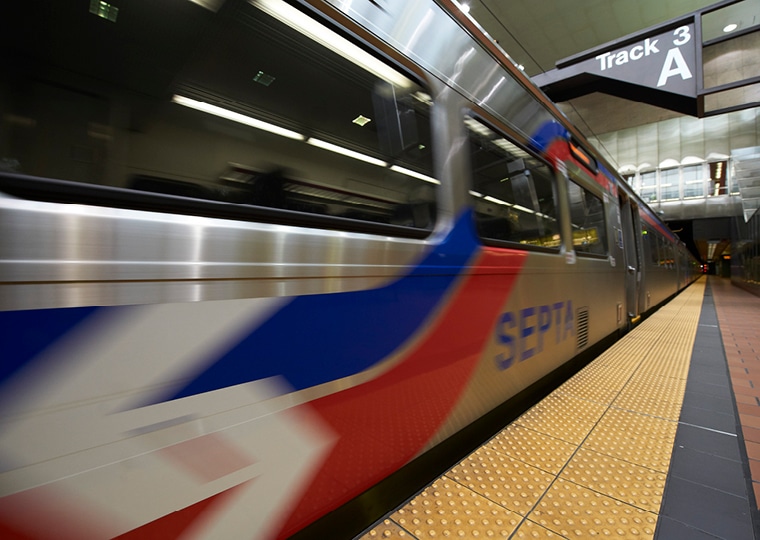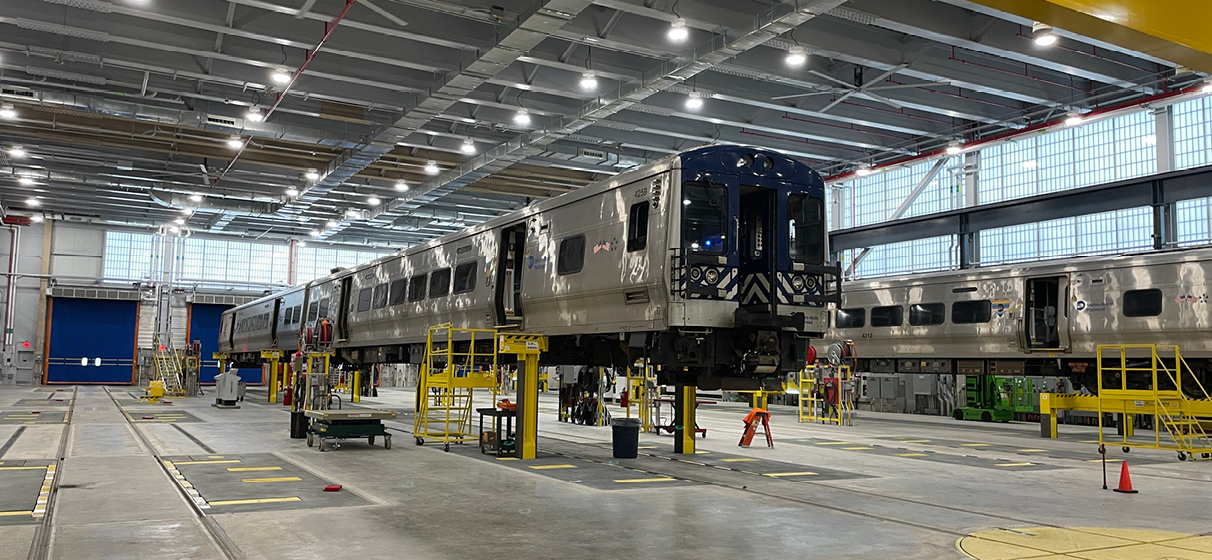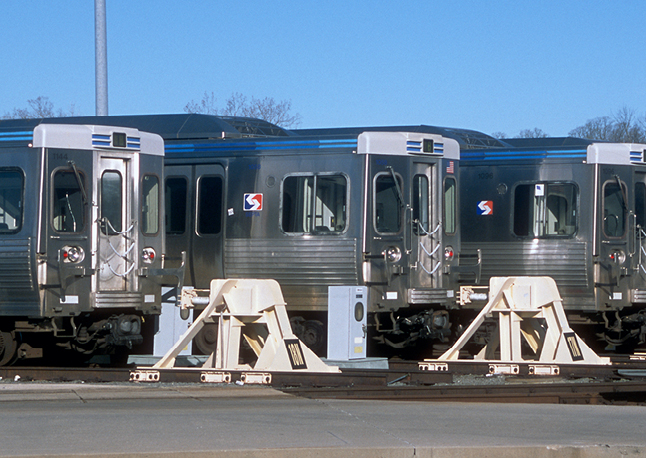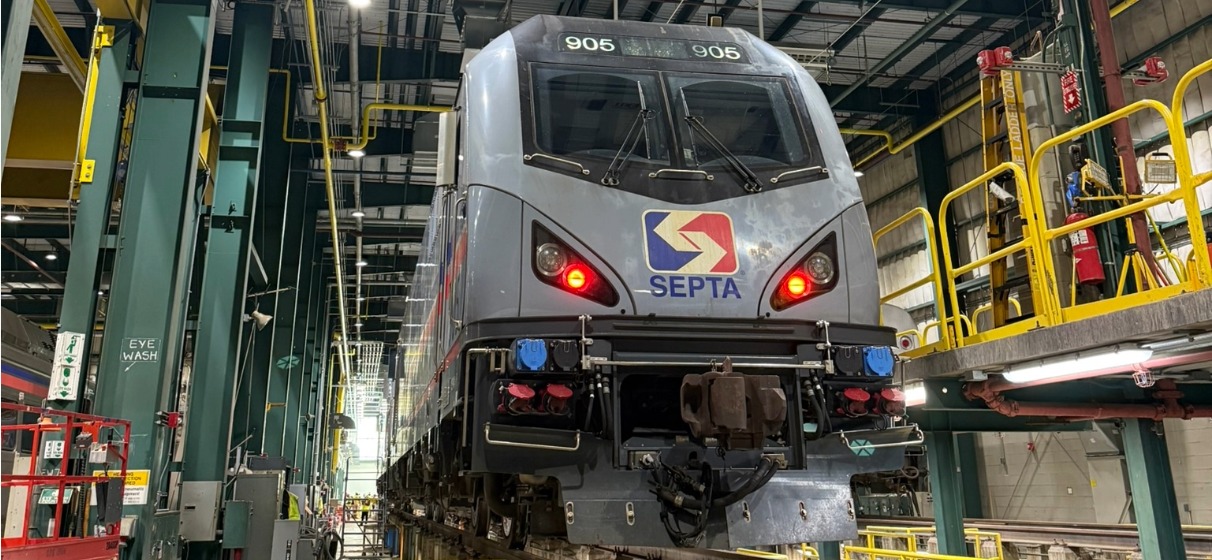
For nearly four decades, the Southeastern Pennsylvania Transportation Authority’s (SEPTA) Frazer Rail Maintenance Facility has played a significant role in keeping the Philadelphia region’s commuter rail network operating safely and reliably. Today, as SEPTA works to accommodate future fleet growth and evolving maintenance needs, the facility is once again undergoing a significant transformation.
The SEPTA Frazer Rail Shop and Yard Expansion is a multi-phase modernization program designed to increase inspection, cleaning, servicing and maintenance capacity at one of the agency’s most important rail facilities. The project includes new and expanded operational facilities, upgraded infrastructure and phased improvements that allow the facility to remain active throughout construction.
For STV, the project carries an added layer of significance. Beyond the technical demands of the expansion, it reflects a decades-long relationship with SEPTA and a unique connection to the Frazer facility itself.
The original Frazer Rail Maintenance Facility was designed by STV and completed in 1986. Nearly 40 years later, the firm is helping guide the next chapter in the site’s evolution, bringing decades of institutional knowledge to a modernization effort built around future operational needs.
“STV has been able to contribute to both the legacy and the future of the Frazer facility, making this a particularly meaningful project for our team,” said Nicole Quinlan, PE, project manager and track engineer at STV. “The Frazer expansion allows us to build on a deep understanding of the site while helping SEPTA position its rail system for the decades ahead.”
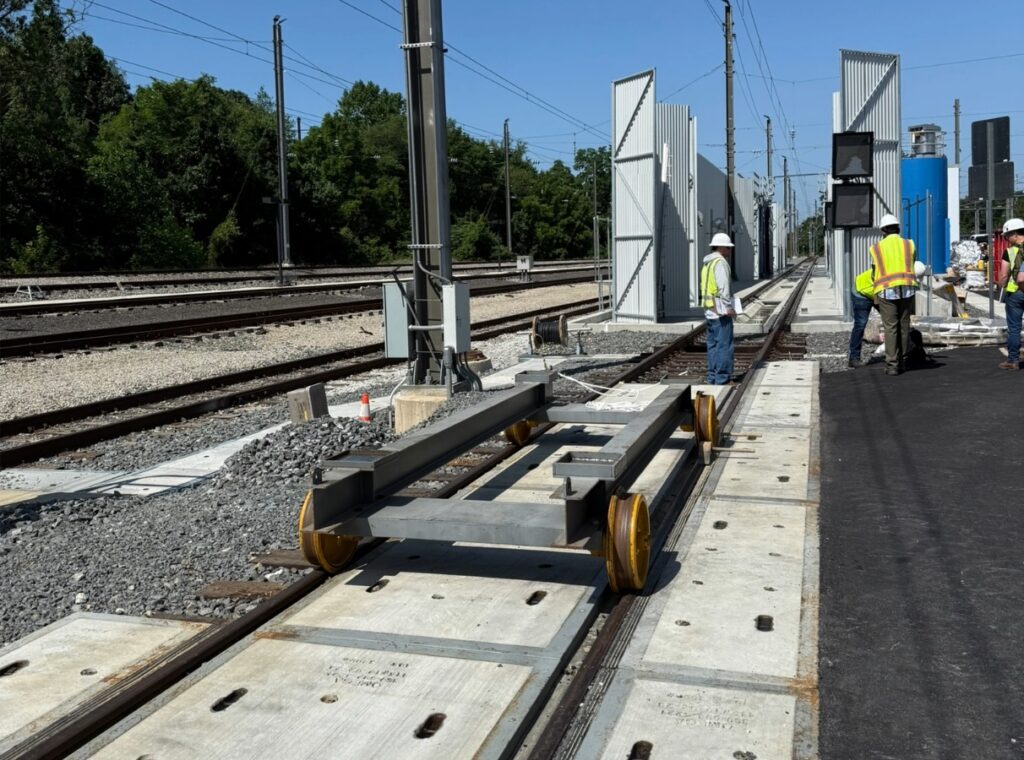
Built to Support the Future of Regional Rail
Frazer serves as a critical maintenance, servicing and storage hub for SEPTA’s Regional Rail system. While largely invisible to riders, facilities like Frazer provide the behind-the-scenes infrastructure that allows a rail network to operate safely, reliably and efficiently every day. As the agency continues to modernize and expand its fleet, the facility must be capable of supporting larger equipment inventories and increasingly complex maintenance activities.
To meet those demands, the expansion program encompasses a broad range of improvements, including shop and yard enhancements, upgraded inspection and servicing facilities, a new train wash and yard master building designed to improve efficiency and operational reliability.
The result is a comprehensive modernization effort focused on increasing the facility’s ability to support SEPTA’s growing Regional Rail operations while preserving the value of existing infrastructure.
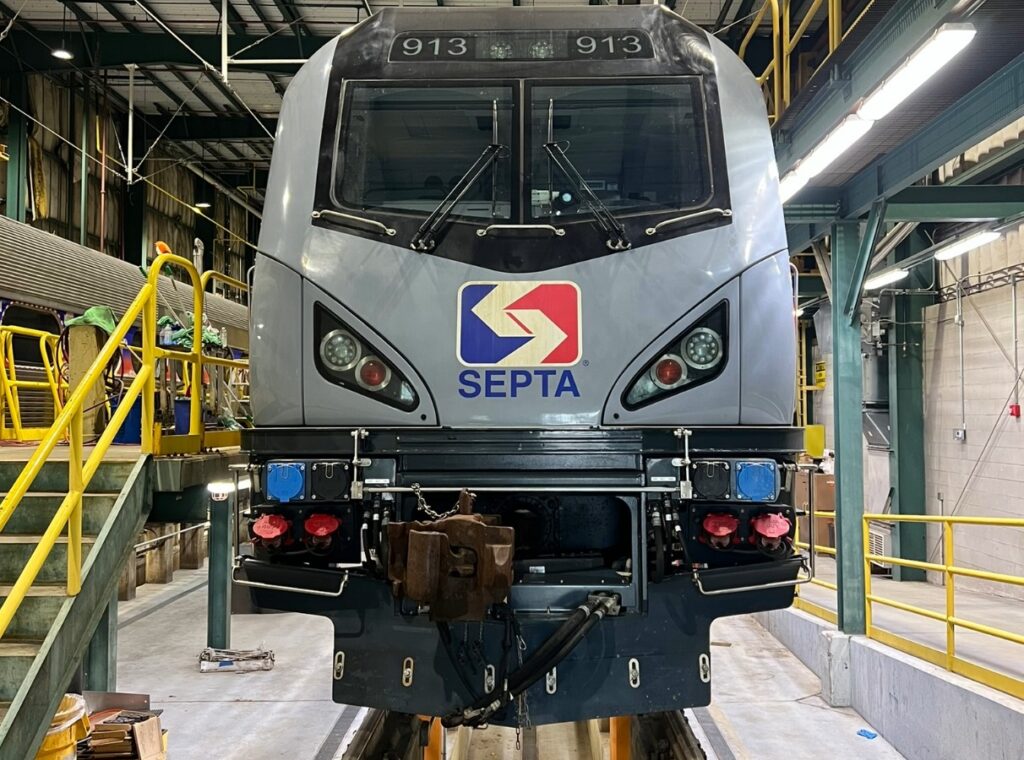
Expanding a Rail Hub Without Missing a Beat
One of the defining characteristics of the project is that construction is occurring within a fully operational rail-maintenance environment.
The Frazer program requires ongoing coordination around active rail operations, maintenance activities and critical support functions. The facility must continue serving SEPTA’s Regional Rail fleet even as new infrastructure is being built around it.
That reality has shaped nearly every aspect of project planning and delivery.
The expansion is being implemented through a phased, fast-tracked approach that allows SEPTA to maintain operations while construction advances. Internal and public project documentation repeatedly identifies phasing, constructability and operational continuity as central considerations throughout the program.
“Our team has worked closely with SEPTA to understand the operational needs of the existing facility and carry that understanding into the design and construction,” Quinlan said. “That perspective has been critical to developing a phased plan that allows the expansion to move forward while maintaining the functions SEPTA relies on every day.” That approach requires continuous coordination among engineering disciplines, construction teams, SEPTA operations staff and project stakeholders. It also demands careful integration of new facilities with existing site conditions and infrastructure.
Integrating Infrastructure, Operations and Maintenance
STV is providing multidisciplinary design services that span architecture, civil, structural, track and systems, electrical, mechanical, geotechnical and industrial engineering services.
The design strategy centers on improving operational efficiency while supporting future capacity requirements. That includes carefully sequencing improvements around active maintenance functions and integrating new infrastructure with existing facilities that have supported SEPTA operations for nearly four decades. The team has focused on capacity-driven planning, operationally efficient inspection and cleaning layouts, phased implementation strategies and ADA-related improvements.
The scope includes improvements to inspection, cleaning and servicing infrastructure, as well as supporting operational facilities that strengthen the overall performance of the maintenance complex. By integrating these components into a coordinated expansion strategy, the project team is helping SEPTA create a more flexible and resilient maintenance environment capable of adapting to future operational demands.
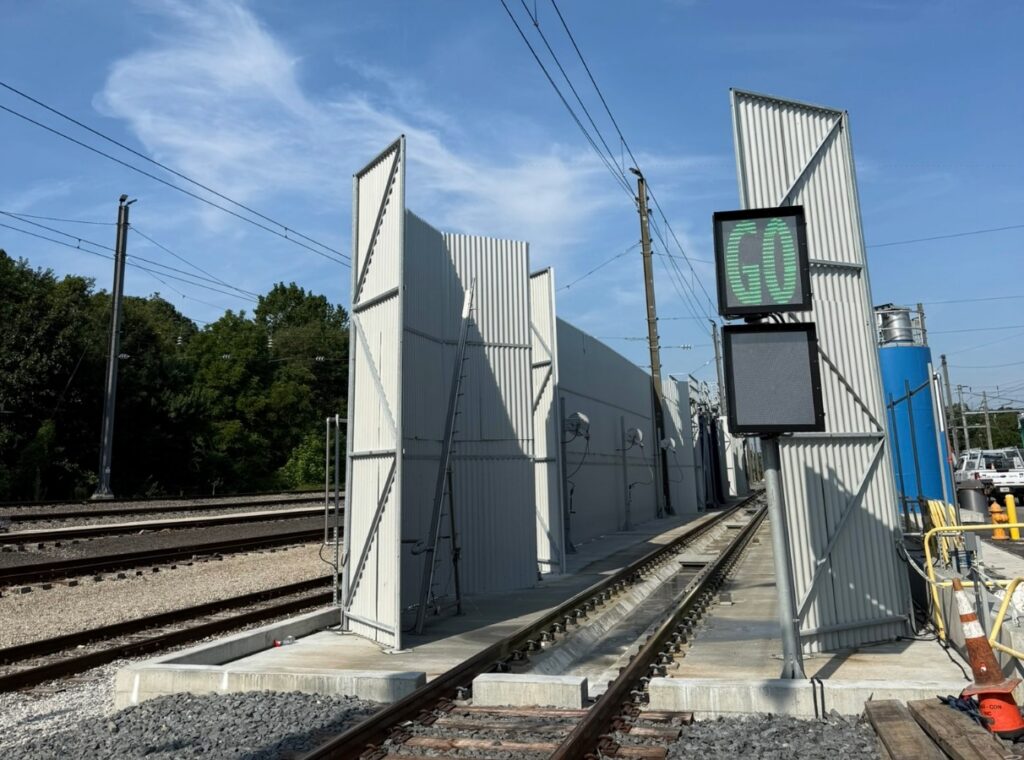
How Maintenance Infrastructure Supports Everyday Mobility
While much of the work occurs behind the scenes, the benefits extend far beyond the Frazer facility itself.
A rail system’s reliability depends heavily on the infrastructure that maintains and supports its fleet. By increasing maintenance and inspection capacity, improving servicing operations and modernizing critical facilities, the expansion helps strengthen the long-term performance of SEPTA’s Regional Rail network.
For riders, that means supporting the infrastructure necessary to deliver dependable rail service across the Philadelphia region. For SEPTA, it means creating the capacity needed to maintain future equipment fleets and respond to evolving mobility needs.
“Projects like Frazer are ultimately about supporting the people who rely on transit every day,” Quinlan said. “Every improvement being made at the facility contributes to SEPTA’s ability to provide safe, reliable service to communities throughout the region.”