A transit station is only as effective as the connections around it.
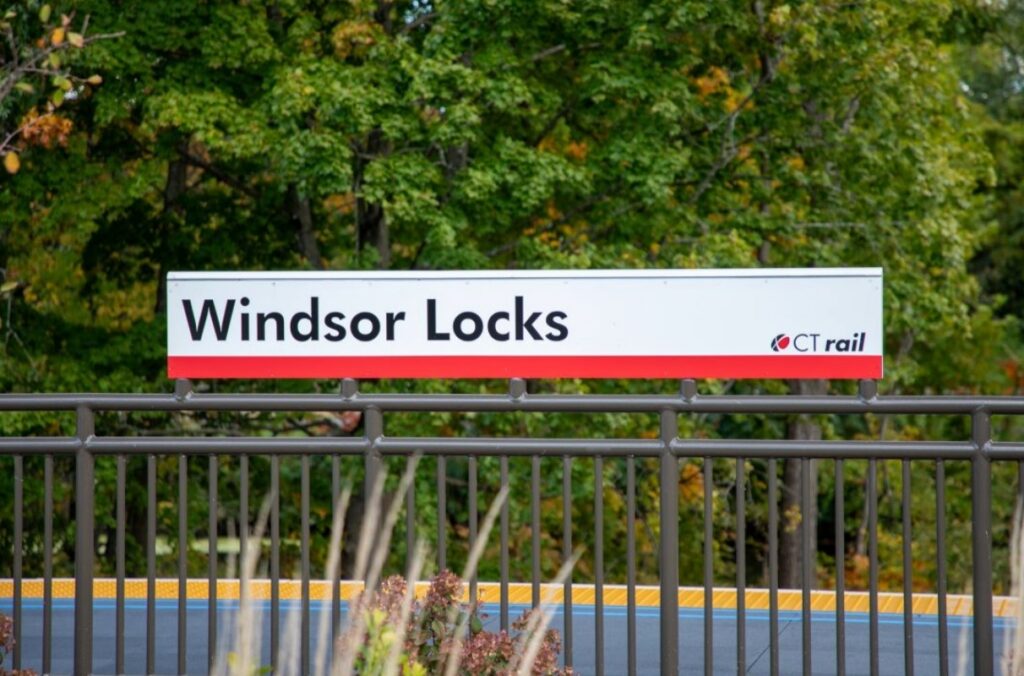
That principle helped shape Connecticut’s new Windsor Locks train station, where broader investment in the Hartford Line is creating a multimodal hub linking rail service with local roads, bus connections, walking and bicycling facilities and access to Bradley International Airport.
For STV, which provided program and construction management support as well as civil and traffic engineering services, the assignment required thinking beyond the platform and understanding how each piece of the surrounding transportation network would work together.
“What makes Windsor Locks significant is that the project brings multiple modes together in one place,” said David Clark, project engineer and project manager at STV. “Our role was to help the team look at those connections as a system, from the passenger arriving by train to someone walking, driving, biking or making the connection to the airport.”
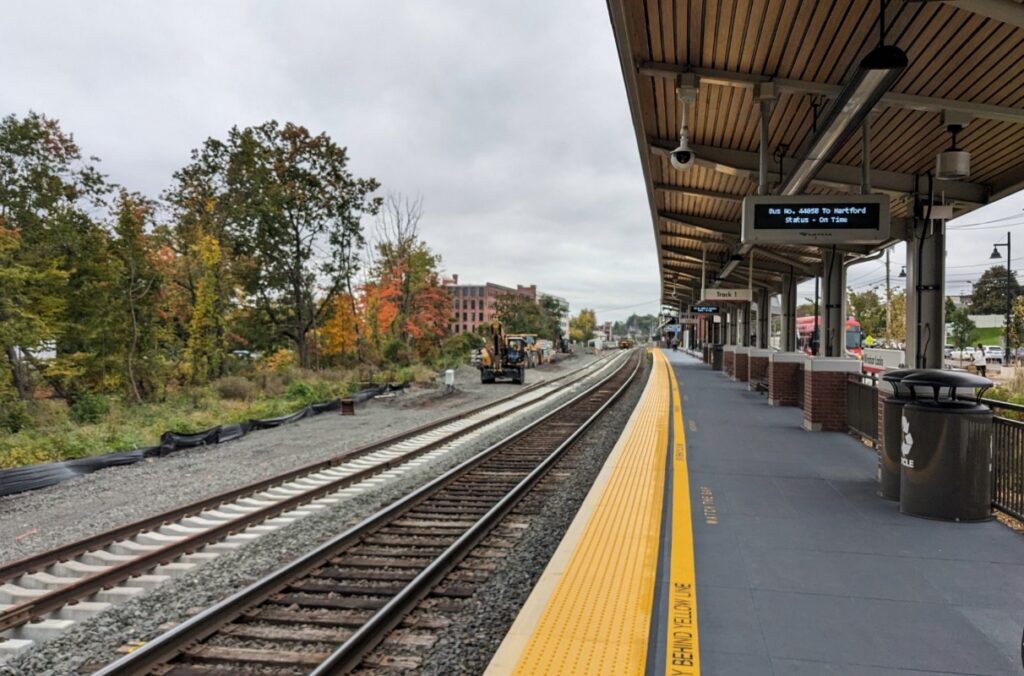
A Station Designed Around Multiple Modes
The new station was designed to improve accessibility and the passenger experience while strengthening connections beyond the rail corridor. Improvements include an accessible platform, passenger amenities, bicycle and pedestrian facilities, roadway and traffic upgrades and connections to bus service serving Bradley International Airport.
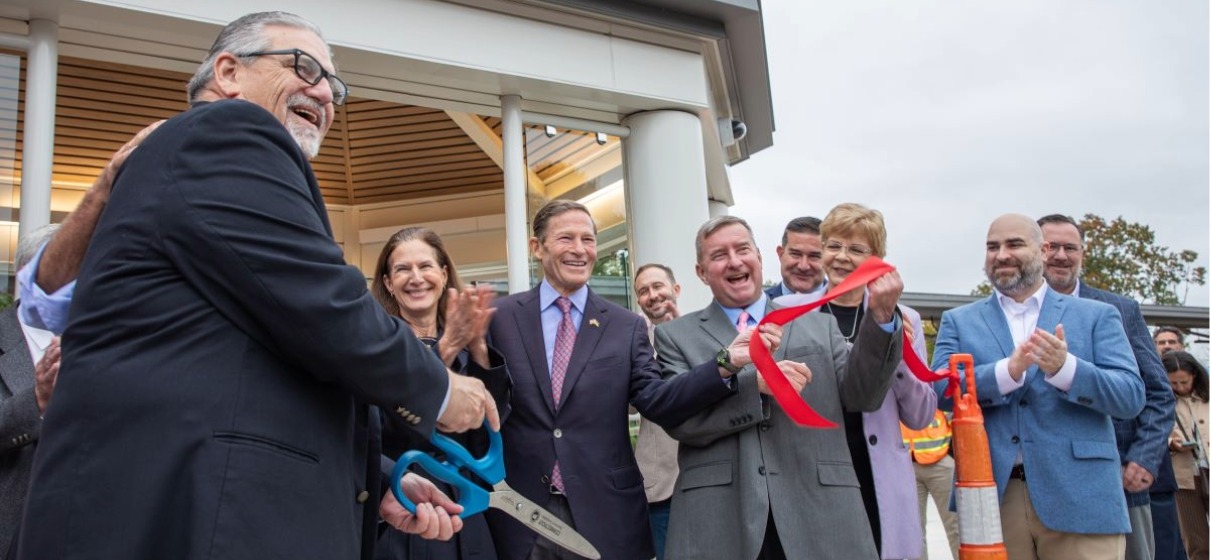
“We built this new station to correct the missing link in the redevelopment of downtown Windsor Locks, connecting residents to jobs and travelers to Bradley International Airport and beyond,” said Connecticut Gov. Ned Lamont at the ribbon-cutting ceremony in October. “Bringing rail and bus service into the heart of downtown encourages new housing and private investment and supports the town’s growth for generations.”
Connecting those modes required the project team to look closely at how the station would affect the transportation network beyond its immediate footprint. Rail passengers needed to move safely and intuitively between the station and surrounding connections, while roadway operations had to account for existing traffic, increased train frequency and station-generated vehicle trips.
That challenge was particularly important at Bridge Street, where the roadway crosses the rail line immediately south of the station.
A train moving through the crossing can affect nearby traffic signals through railroad preemption, temporarily changing normal signal operations to clear vehicles from the tracks. With increased train frequency and additional station-generated traffic, understanding how those interactions could affect queues and surrounding intersections became an important traffic-engineering question.
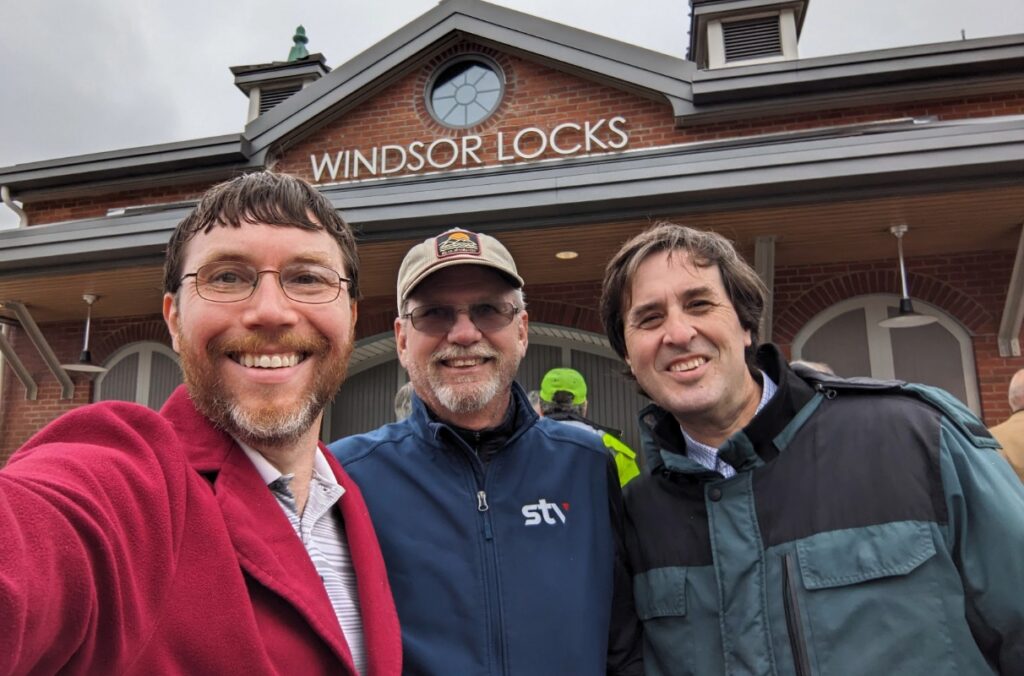
Modeling Road and Rail Together
STV used VISSIM traffic microsimulation to evaluate the interaction between trains, the Bridge Street grade crossing and nearby signalized intersections.
Rather than analyzing the station or individual intersections independently, the model allowed engineers to examine how rail preemption, traffic volumes and the surrounding street geometry worked together. The analysis helped the team evaluate proposed signal changes and understand how the surrounding roadway network would perform as rail and station activity increased.
“The railroad crossing creates an unusual traffic condition because a train changes how the roadway network operates,” said Michael Kowalczyk, PE, engineer at STV. “VISSIM gave us a way to look at those interactions together and evaluate how changes to the signals and geometry would perform as part of the larger system.”
For Patrick O’Mara, senior engineer at STV, who led the traffic analysis, the value of the modeling lay in understanding those interconnected conditions before advancing potential improvements.
“The challenge was understanding how changing railroad operations, particularly with the introduction of a new station just north of the Bridge Street grade crossing, would influence traffic patterns and roadway performance,” O’Mara said. “The modeling allowed us to evaluate those interactions together and develop a clearer picture of how the roadway network would perform as conditions changed.”
The modeling helped inform proposed signal modifications while complementing STV’s work on station-area signage, pavement markings and related civil improvements. It also demonstrated why station-area traffic cannot always be treated as a conventional roadway problem. At Windsor Locks, rail operations directly influence signal operations, traffic queues and access to the station, requiring the crossing and roadway network to be evaluated as one interconnected system.
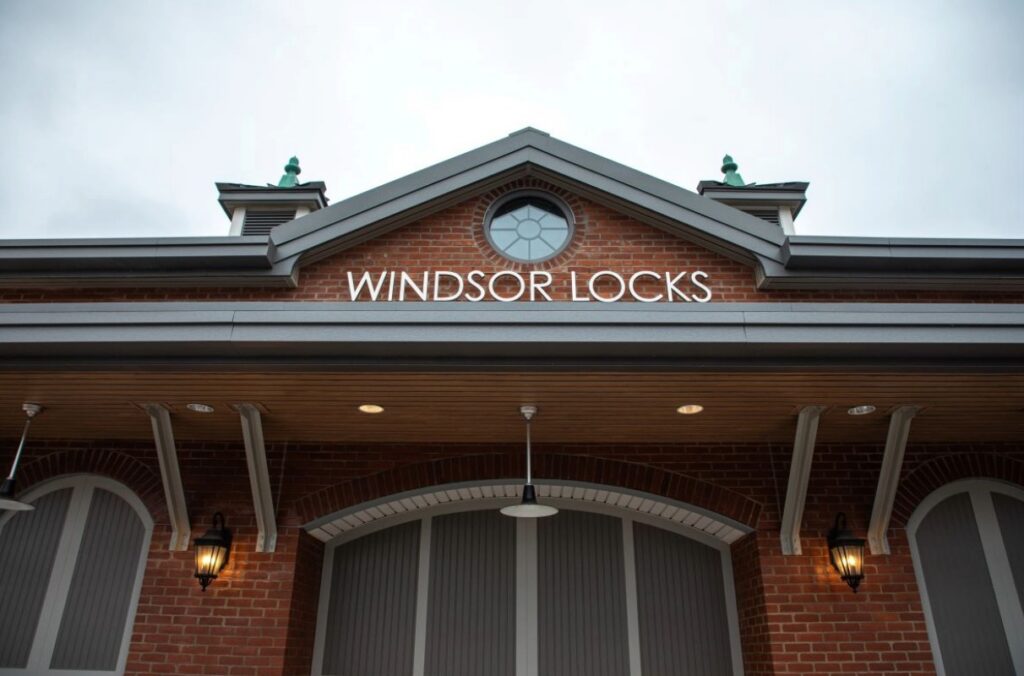
Looking Beyond the Station
The opening of Windsor Locks Station underscores a broader lesson for transportation owners: station performance depends on infrastructure well beyond the platform.
At Windsor Locks, rail operations, traffic signals, roadway geometry, pedestrian and bicycle access and transit connections all influence how passengers move through the surrounding network. Coordinating those systems requires engineers to understand not only the individual assets, but also the operating relationships between them.
The station opening also represents a milestone rather than the end of all work along the corridor. Additional track construction associated with the broader project continues, reflecting the phased nature of major corridor investments.
That phasing makes coordination across disciplines and project stages especially important, particularly where active rail operations, roadway networks and multiple modes converge.
The work also drew on expertise beyond traffic and civil engineering. Geotechnical and hydraulic teams supported the broader multidisciplinary effort, helping the project team address the range of technical considerations involved in integrating the station and its surrounding infrastructure.
“For owners, the lesson is to look beyond the boundary of the station,” Clark said. “A successful mobility hub has to work with everything around it. Bringing those pieces together early helps create infrastructure that works for passengers and for the larger transportation system.”
At Windsor Locks, that systems-level approach helped integrate the new station into the surrounding transportation network, strengthening its role as a gateway to downtown, the Hartford Line and Bradley International Airport.