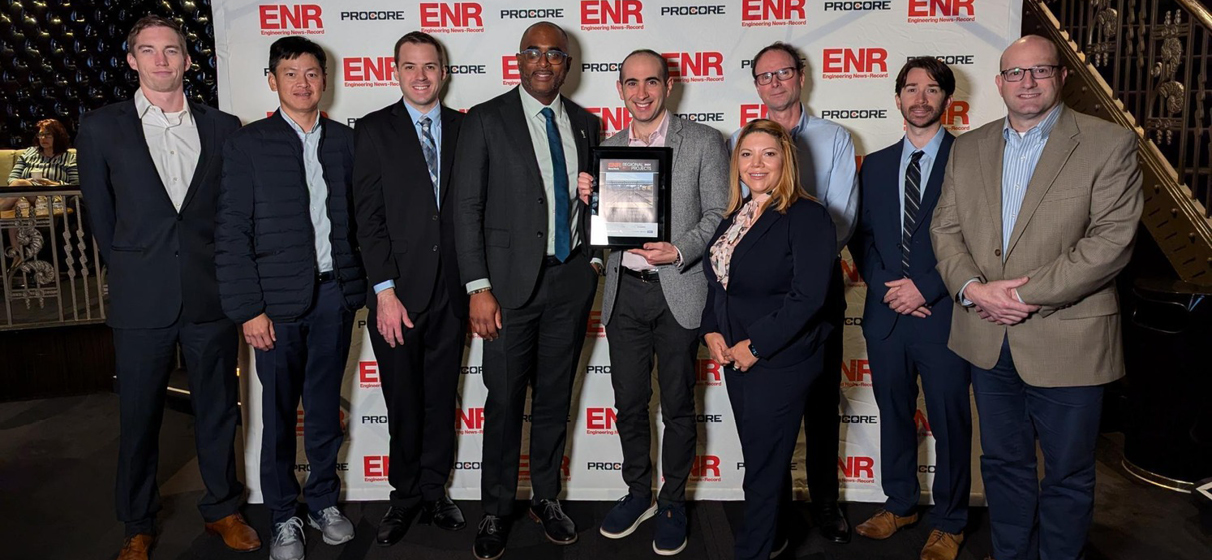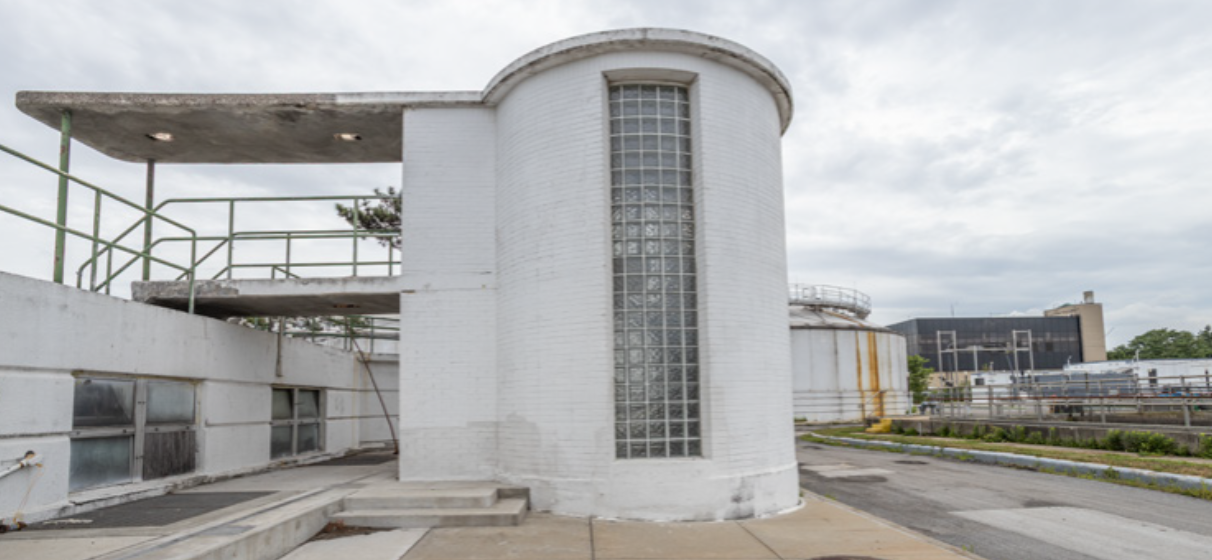
STV is celebrating the completion of the Tallman Island Wastewater Resource Recovery Facility (WRRF) Repairs and Flood Protection project for the New York City Department of Environmental Protection (NYCDEP) – a major coastal resilience investment that strengthens one of New York City’s critical wastewater facilities.
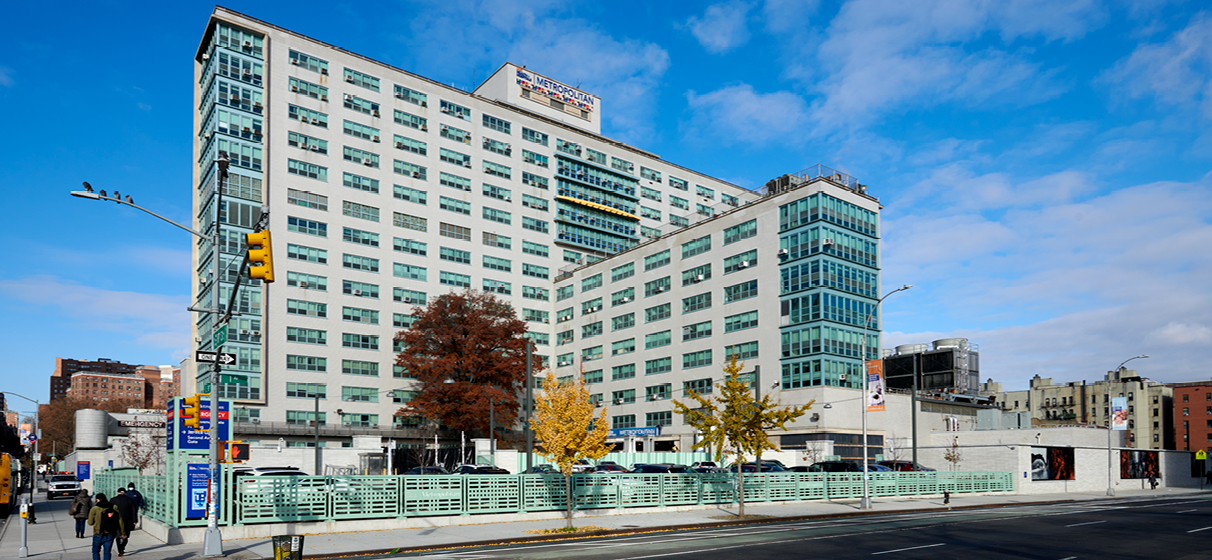
Located on a narrow peninsula extending into the East River in College Point, the Tallman Island WRRF serves more than 400,000 residents in northeast Queens and treats up to 80 million gallons per day (mgd) during average conditions, with peak flows reaching 160 mgd. Originally commissioned in 1939, the Tallman Island WRRF is a vital component of New York City’s wastewater system. Due to its coastal location and low-lying topography, the facility has long been exposed to storm surge and flooding risks.
STV delivered integrated architectural, structural, civil, mechanical, SCADA/controls and electrical engineering services, supporting flood-proofing upgrades across eight critical buildings and process areas, as well as the facility’s tunnel network and electrical infrastructure.
“With this project complete, Tallman Island is far better positioned to withstand future storm events while continuing to serve the community when it matters most,” said Terence Murphy, engineering director at STV. “The improvements focus on protecting critical systems, maintaining safe access for operators and ensuring the facility can remain operational during extreme weather events.”
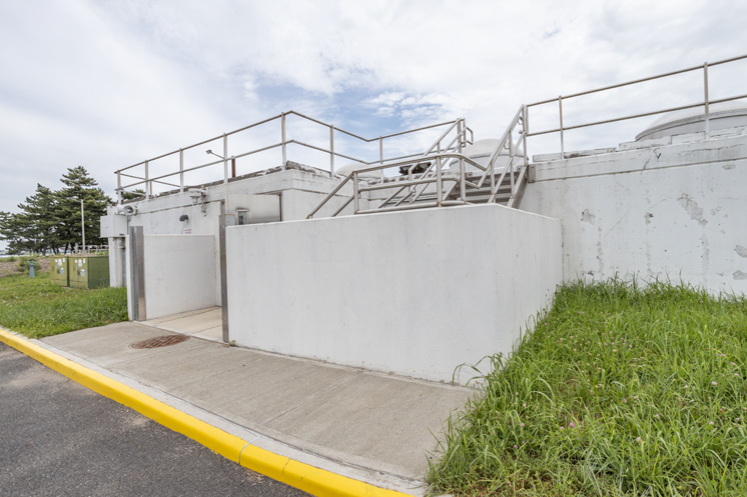
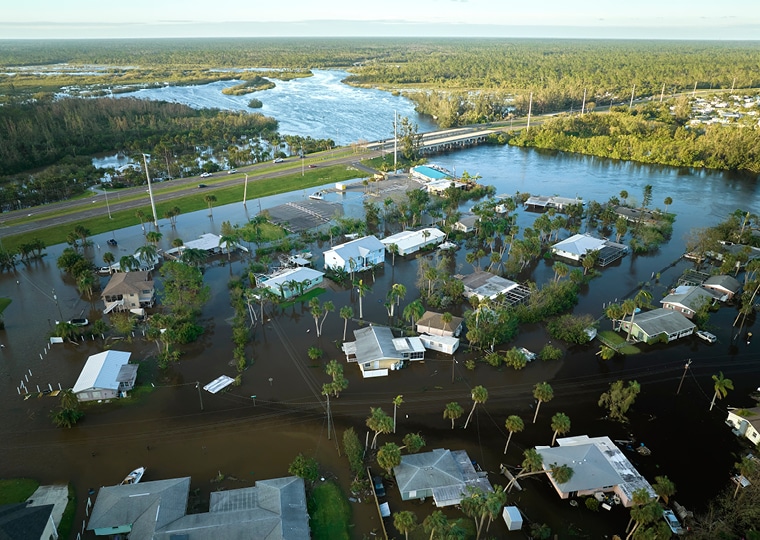
The WRRF’s vulnerabilities were made clear during 2012’s Superstorm Sandy, when storm surge inundated roadways, loading areas and critical infrastructure across the WRRF site. Following Sandy, NYCDEP highlighted the need for permanent, forward-looking flood protection to safeguard essential wastewater operations
STV’s scope encompassed multidisciplinary engineering and construction support for approximately $32 million in flood-protection improvements, implemented through New York State’s Storm Mitigation Loan Program (SMLP) and aligned with FEMA-informed resilience standards.
The improvements include:
- Deployable flood logs, hinged flood barriers and permanent flood walls
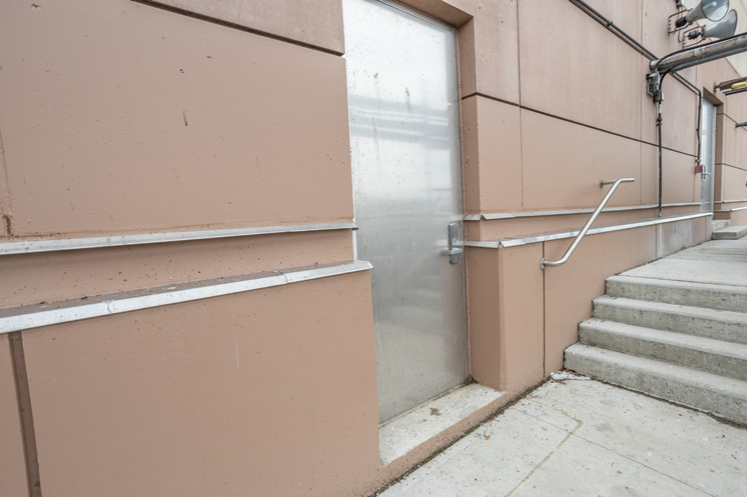
- Flood doors and sealed mechanical and electrical penetrations
- Elevation and flood-hardening of critical mechanical and electrical equipment, including panels and controls
- Water-resilient electrical upgrades and duct seal systems protecting power, communications and SCADA infrastructure
- New stairways, access routes and areas of rescue assistance to support safe operations during extreme weather events
- State of good repair for critical mechanical systems
These improvements were carefully coordinated to keep the facility operational throughout construction, a critical requirement for a facility that provides essential wastewater treatment services.
The project reflects close coordination among NYCDEP, STV, contractors and agency partners, translating lessons learned from Superstorm Sandy into durable infrastructure solutions that support New York City’s broader climate adaptation and resilience goals.