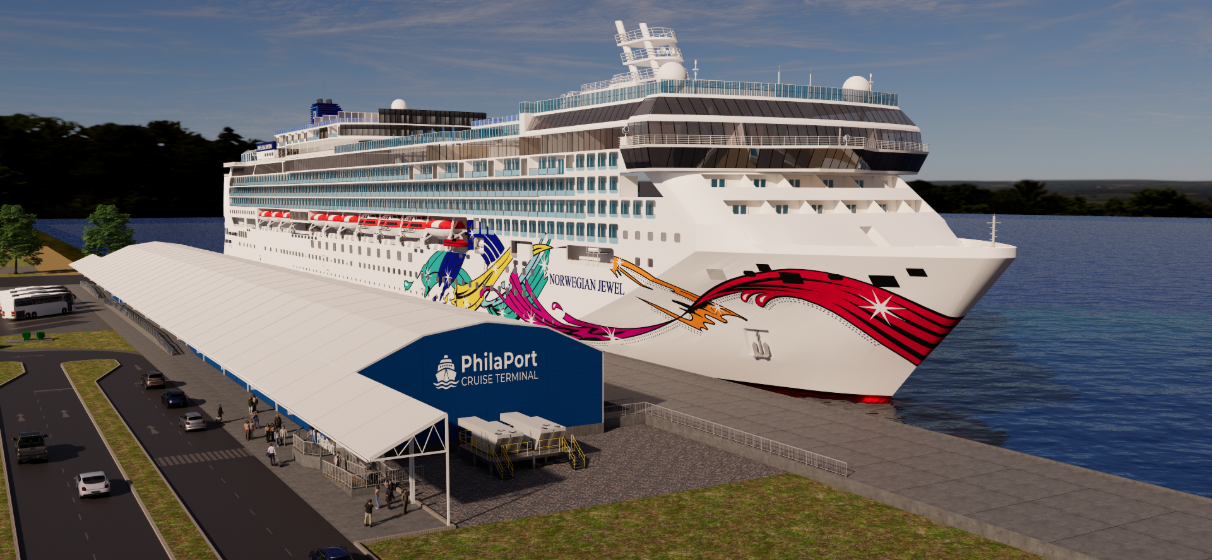
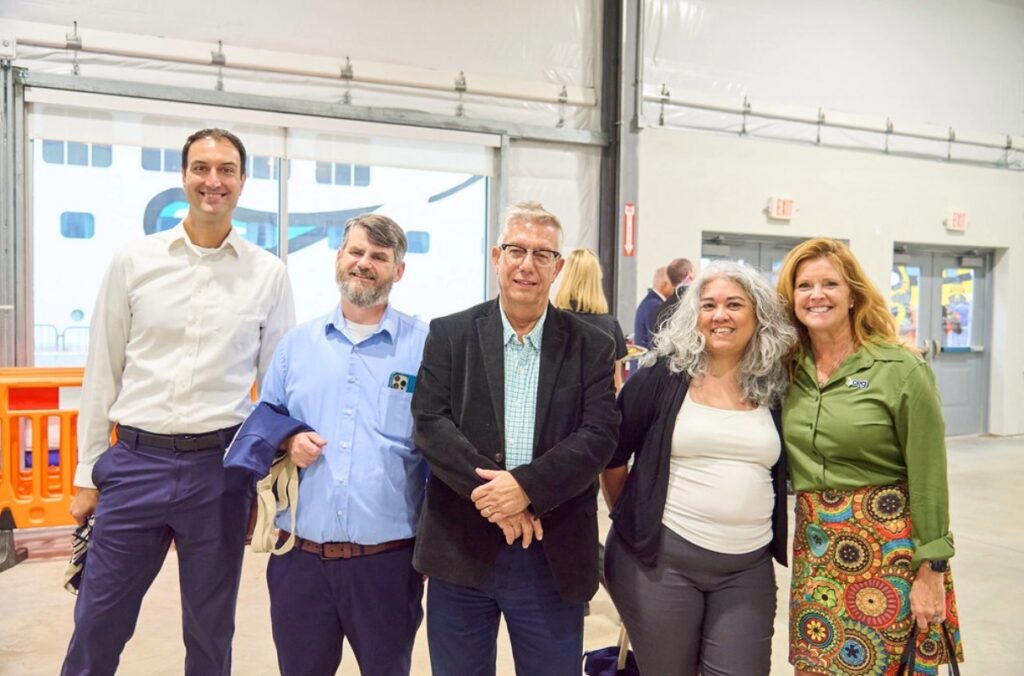
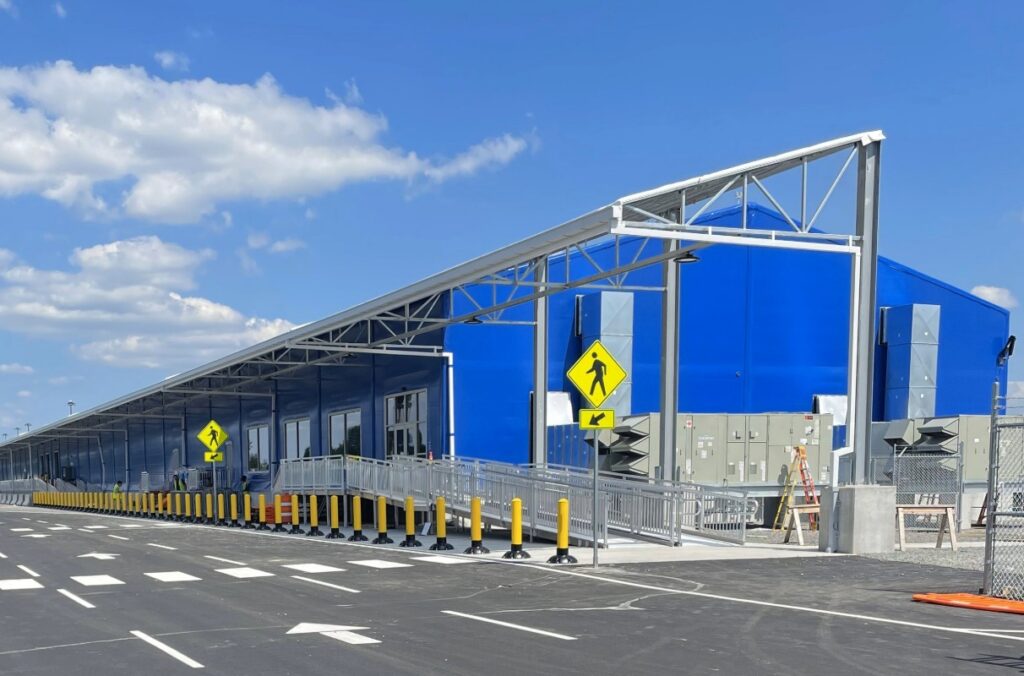
Philadelphia’s return to the cruise industry reached a new milestone this summer when officials gathered to celebrate the opening of the permanent PhilaPort Cruise Terminal. The ribbon-cutting ceremony in August established a long-term home for cruise operations on the Delaware River, helping solidify the city’s reemergence as a cruise destination after more than 15 years and creating infrastructure designed to support future growth.
For STV, the opening marks the culmination of a fast-tracked effort to design and help deliver a facility that positions Philadelphia to capitalize on growing demand in one of travel’s most resilient sectors. The project provides the permanent homeport infrastructure needed to sustain the city’s return to cruising while supporting increased tourism, job creation and regional economic activity.
Working under its longstanding architect/engineer task-order relationship with PhilaPort, STV provided architecture, engineering, construction monitoring and owner’s representative services throughout the project. That existing partnership allowed the team to mobilize quickly, accelerate design and support an ambitious delivery schedule as Philadelphia worked to reestablish itself in the cruise industry.
“Designing a cruise terminal on an accelerated schedule while coordinating with multiple federal agencies and private partners requires a high level of trust and collaboration,” said Kevin Bomboy, PE, LEED AP, vice president in STV’s Buildings group. “STV’s longstanding partnership with PhilaPort allowed us to move swiftly and deliver a build-ready design that construction teams could execute without delay.”
Philadelphia’s investment comes as the cruise industry continues to experience a resurgence nationwide. According to reporting from Axios, cruise demand has continued to grow following a record year in 2025, with spending increasing across income groups even as some segments of the travel market have experienced softer demand. The new terminal is projected to support approximately 2,185 direct and indirect jobs and generate nearly $300 million in annual economic output across Pennsylvania.
“PhilaPort’s new cruise terminal is a critical component of our broader economic development strategy, creating good jobs, generating new economic activity and strengthening the economies of Philadelphia and the entire region,” said Rich Lazer, CEO of PhilaPort, in a statement.
Building a Permanent Homeport
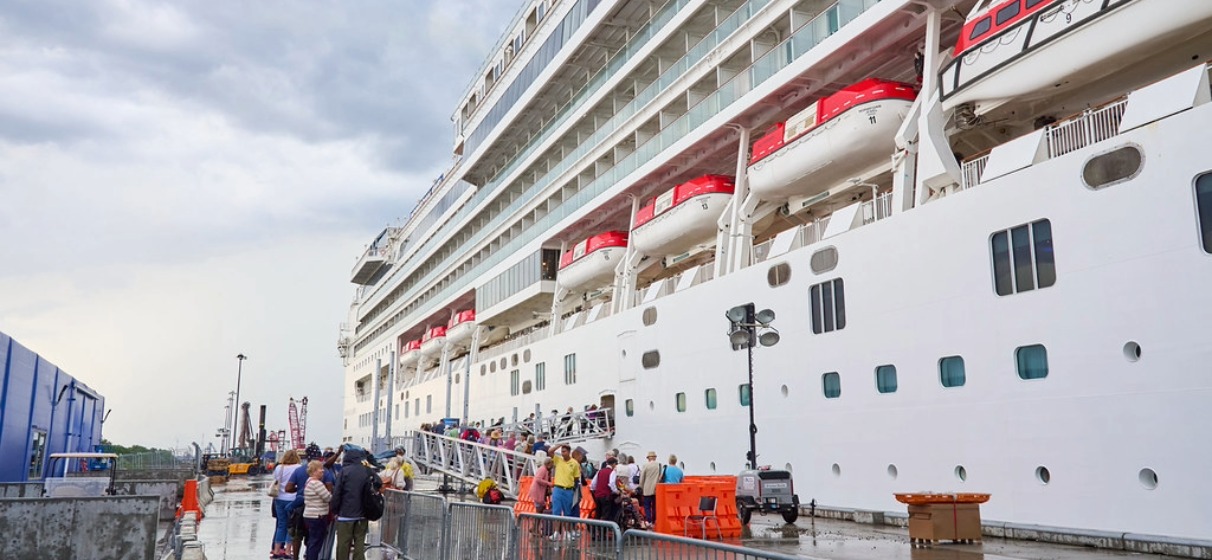
The terminal follows the return of cruise service to Philadelphia earlier this year, when the Norwegian Jewel became the first cruise ship to sail from the city in more than 15 years. While that sailing marked the industry’s return, the new terminal provides the permanent infrastructure needed to support homeport operations over the long term. Completing the permanent facility while cruise operations were already underway added complexity to an already challenging project.
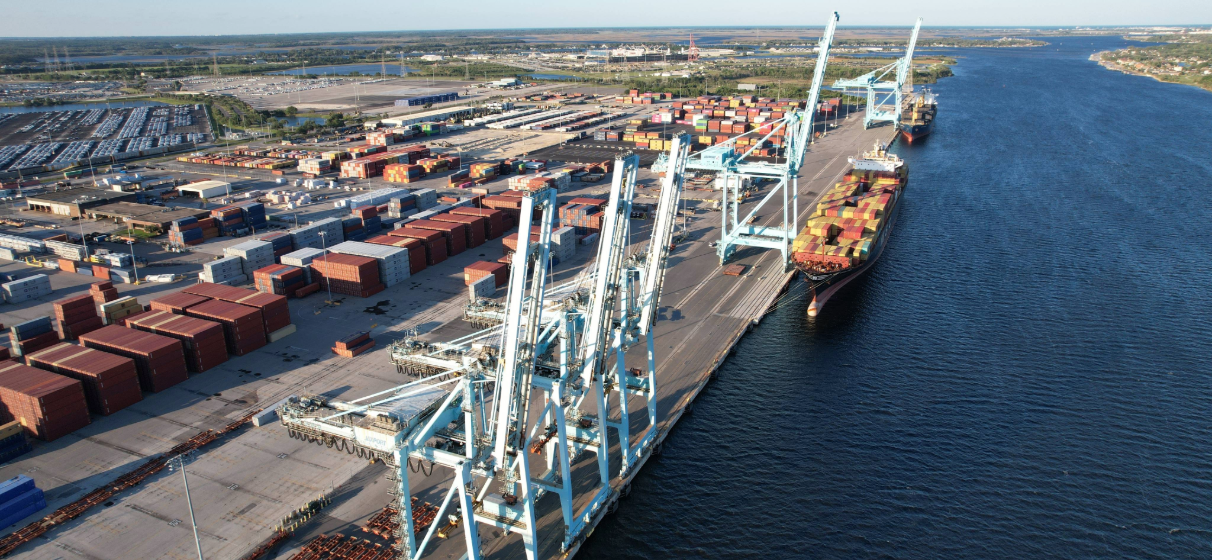
Situated on a 16-acre site adjacent to Philadelphia International Airport, the terminal needed to balance cruise operations, federal security requirements, nearby energy infrastructure and the realities of working within an active port. Multiple public agencies, private stakeholders and regulatory entities all needed to move in lockstep to support the accelerated timeline and an early start to cruise operations.
Working under its existing task-order contract with PhilaPort, STV was able to mobilize quickly and support the port’s accelerated delivery schedule. That continuity helped reduce startup time, streamline decision-making and maintain momentum as multiple stakeholders worked toward the shared goal of establishing a permanent home for cruise operations. Real-time coordination among regulatory agencies, stakeholders and project partners helped keep the project moving forward while maintaining operational and security requirements.

Designing for Today and Tomorrow
STV designed the terminal to support secure, efficient passenger processing while preserving flexibility for future expansion as cruise demand grows.
“Passenger experience was a major consideration throughout the design process,” said David Kurtz, AIA, senior architect and senior associate at STV. “The terminal needed to support security and operational requirements while creating a straightforward, intuitive journey for travelers from arrival through embarkation. At the same time, we wanted to ensure the facility could adapt as cruise operations evolve over the coming years.”
Planning for future growth was an important component of the design strategy. The terminal supports PhilaPort’s broader Destination 2040 vision while accommodating potential Phase 2 expansion as passenger volumes increase and cruise operations continue to grow.
The project also benefited from STV’s previous work with PhilaPort, including the Southport Auto Terminal and Vehicle Processing Center. That familiarity with port operations created a foundation of institutional knowledge and trust that helped accelerate decision-making when schedules became compressed.
Carrying the Vision Through Construction
STV remained engaged through construction monitoring services to help carry design intent through construction.
The schedule faced additional challenges as weather impacts and other delays emerged during the final stages of delivery. Even as those issues were addressed, cruise service began operating from Philadelphia. The overlap between active cruise operations and final project delivery underscored the urgency of bringing permanent infrastructure online while maintaining a positive passenger experience. That required careful coordination among PhilaPort, Norwegian Cruise Line and the broader project team to ensure passengers could continue sailing while permanent facilities were completed.
As owner’s representative, Eric Pearson, CCM, helped coordinate project delivery efforts between PhilaPort, Norwegian Cruise Line and the wider team.
“The greatest achievement of this project is not simply the facility itself, but the partnerships that made it possible,” Pearson said. “Every organization and individual involved brought a commitment to finding solutions, supporting one another and keeping the project’s objectives front and center.”
Regional Benefits Beyond the Terminal
The opening ceremony also highlighted the broader community impact of the project. As part of the celebration, Norwegian Cruise Line Holdings announced $50,000 in contributions to local organizations, including support for Tinicum Township’s fire department and several Boys & Girls Clubs in the Philadelphia region.
The terminal supports PhilaPort’s seven-year agreement with Norwegian Cruise Line Holdings through March 2033, providing a foundation for long-term cruise activity in the region. Norwegian Cruise Line currently serves Philadelphia with voyages to Bermuda, the Caribbean, the Bahamas, Canada and New England, with additional itineraries planned in coming years.
Those sailings create benefits well beyond the port itself. Cruise passengers frequently spend time in departure cities before embarking, generating additional activity for local hotels, restaurants, attractions and transportation services.
The terminal provides Philadelphia with the permanent infrastructure needed to support long-term cruise operations and expand its role as a departure point for travelers throughout the Mid-Atlantic region.
“As cruise activity continues to grow, this facility positions Philadelphia to take advantage of that momentum,” Bomboy said. “It creates opportunities for the port, for the region and for the businesses and communities that benefit from a more connected transportation network.”