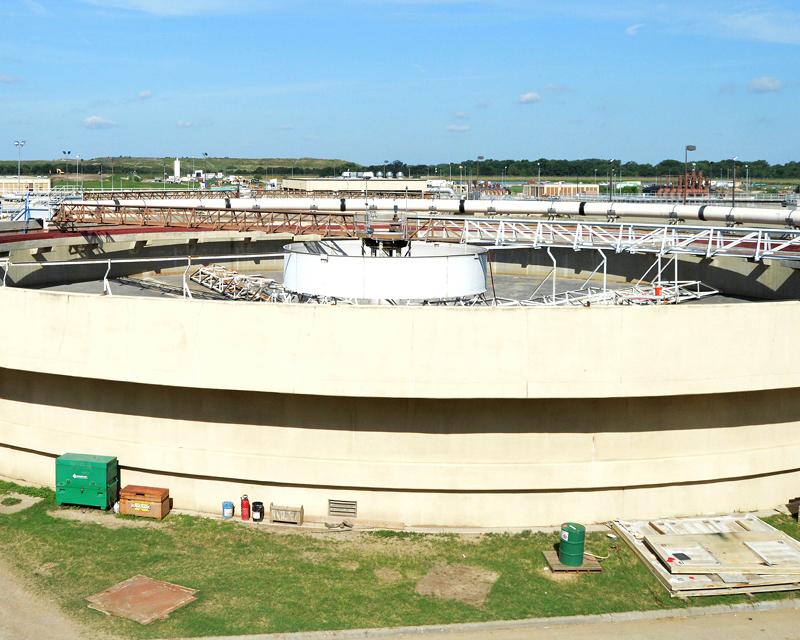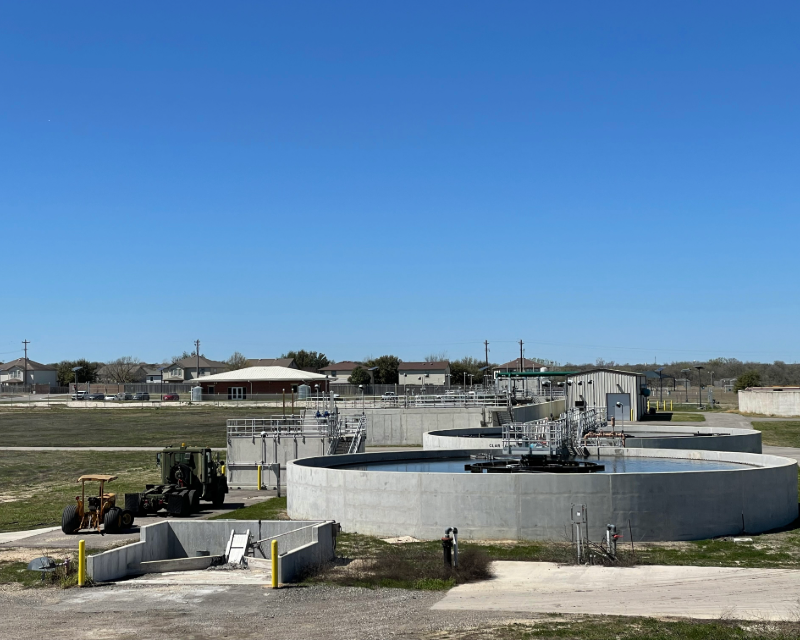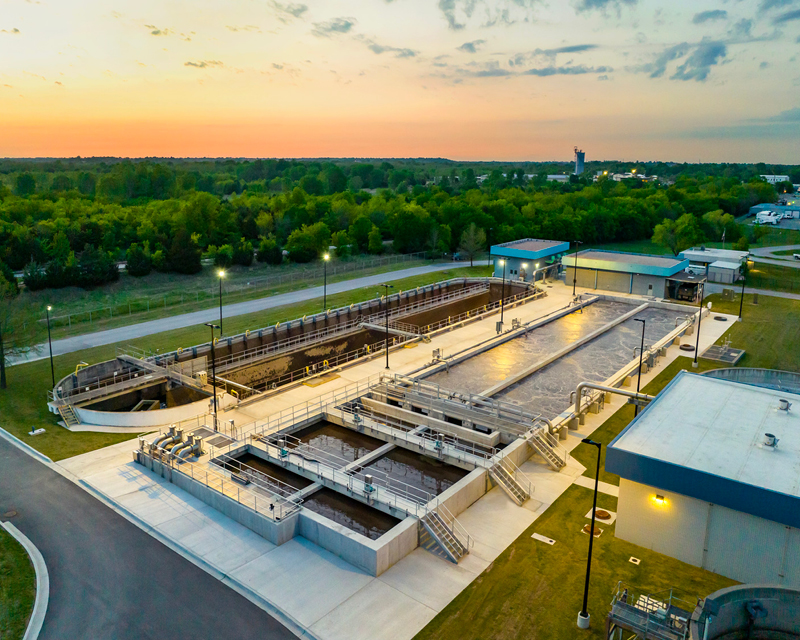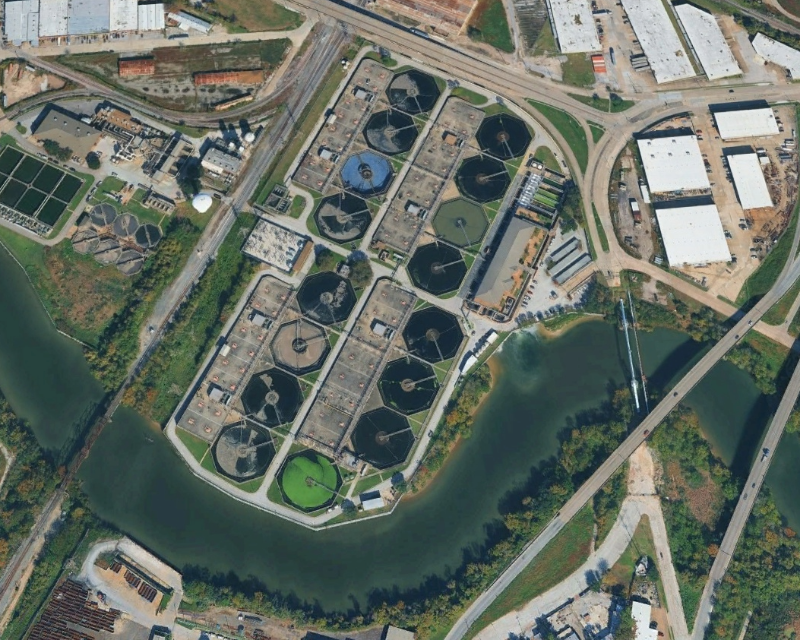
The City of Houston’s 69th Street Wastewater Treatment Plant is the region’s largest wastewater facility, treating up to 200 million gallons per day and serving millions of residents. As the plant’s on‑call engineering consultant, STV has led a multi‑year capital improvements program delivering more than $25 million in targeted upgrades to modernize critical electrical, mechanical, process and structural systems. These on‑call assignments are helping the utility enhance day‑to‑day reliability, improve resilience to extreme weather and position this essential facility for long‑term regulatory compliance and growth.
What challenges did STV address?
Aging power distribution equipment, outdated solids-handling systems and storm-related damage from Hurricane Harvey created operational and resilience risks at the 69th Street WWTP. The plant’s legacy electrical switchgear, motor control centers and cryogenic oxygen generation system required renewal to avoid outages. At the same time, older centrifuges and sludge-pumping equipment reduced process efficiency and hindered the City’s ability to meet biosolids management milestones under the consent decree.
What solutions did STV deliver?
STV delivered fast‑track designs to replace medium‑voltage switchgear at the main lift station, modernize 40 low‑voltage motor control centers and develop a rehabilitation concept for the plant’s 138 kV substation. The team upgraded digested sludge pumps with variable-frequency drives and high‑efficiency motors, led testing and replacement of 21 dewatering centrifuges, and designed a new sludge recirculation pump station. STV also performed post‑Hurricane Harvey structural assessments and repairs at the headworks and completed an oxygen supply alternatives study to guide future process investments.
How does this project benefit the Houston region?
These improvements strengthen one of Houston’s most critical water infrastructure components. Modernized electrical systems and solids handling facilities reduce unplanned outages, improve safety, and support continuous treatment at the plant’s rated capacity. More efficient centrifuges and motor controls lower operating and hauling costs, while resilience measures help protect the facility during major storm events. Together, these on‑call projects support cleaner waterways, regulatory compliance and more reliable wastewater service for the community.
Key stats and accolades
- Largest wastewater treatment plant in Houston, with 200 MGD capacity
- Over $25 million in capital improvements delivered under an on‑call contract
- Replacement of 21 aging dewatering centrifuges with high‑performance units
- Installation of 40 new low‑voltage motor control centers across the collection system
- Post‑Hurricane Harvey structural and electrical resilience upgrades at headworks
- Oxygen supply evaluation identifying long‑term, cost‑effective VPSA and pipeline solutions