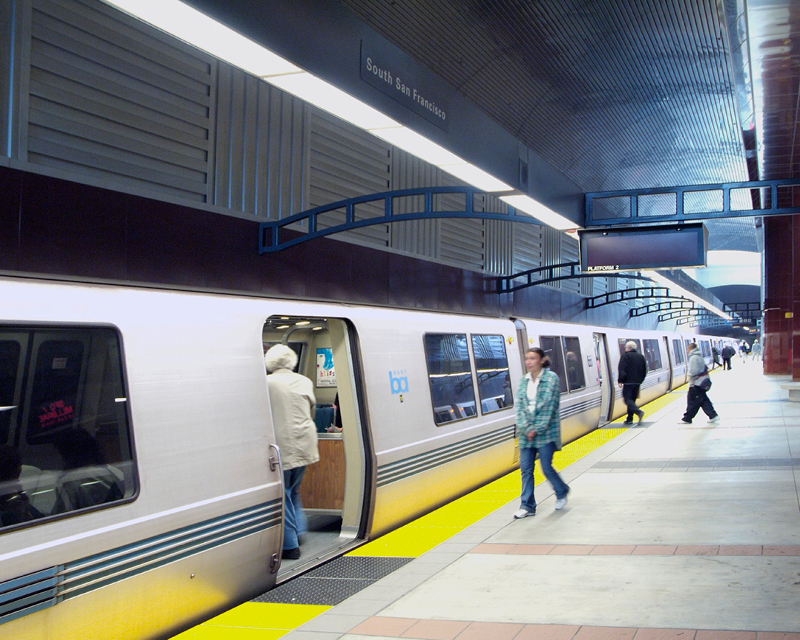
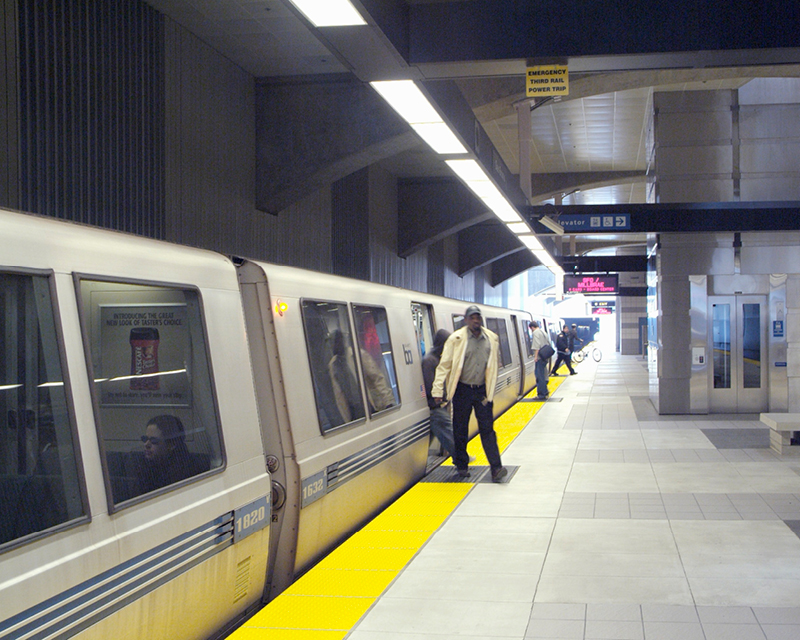
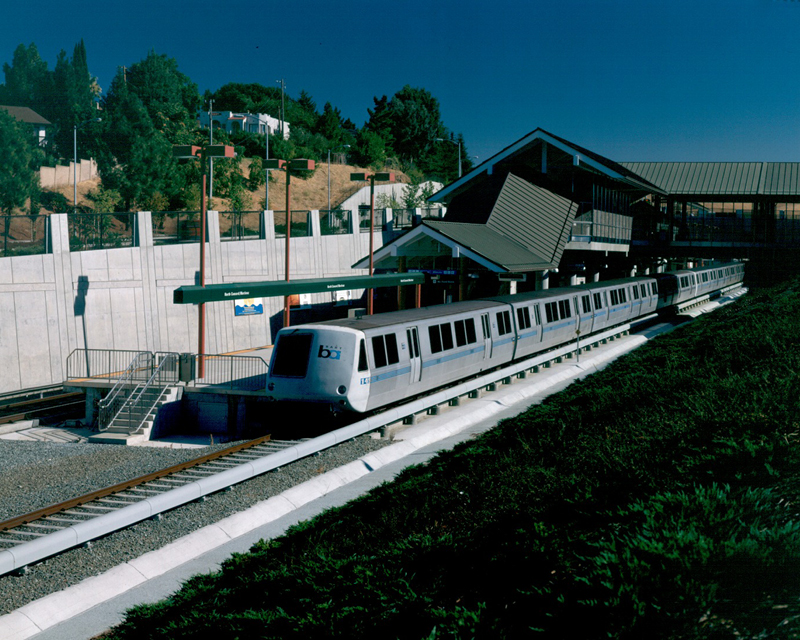
Bay Area Rapid Transit serves more than 415,000 passengers on a typical weekday and is a critical mobility provider for communities throughout Northern California. To upgrade aging infrastructure and expand system capacity, BART advanced a multi-year traction power improvement program, supported by STV through a five-year General Engineering Consultant contract. STV delivered design and construction support services focused on modernizing core power systems and improving the reliability of rail operations across multiple corridors.
What challenges did STV address?
Much of BART’s traction power infrastructure had reached the end of its useful life and required replacement to meet future capacity needs. Aging substations, switching stations and high‑voltage distribution elements created risks for equipment failure, service interruptions and high maintenance demands. The challenge was to update complex power systems in an active rail environment while minimizing impacts to passengers and coordinating upgrades at multiple locations simultaneously.
What solutions did STV deliver?
STV’s work encompassed improvements to traction power substations and switching stations, 34.5‑kV cable systems, rectifier‑transformers and controls. The team prepared engineering designs, provided construction support and helped integrate new systems that reduce equipment failures and extend asset life. These upgrades enhance BART’s ability to operate more frequent service, reduce headways and support the agency’s modernization goals, including fleet renewal and technology enhancements.
How does this project benefit the region?
With improved traction power infrastructure, BART can provide more reliable and higher‑capacity service for riders across the Bay Area. The upgrades reduce maintenance burdens, support future expansion and strengthen the resiliency of a system relied on by hundreds of thousands of daily commuters.
Key stats and accolades
- Systemwide traction power upgrades across multiple BART facilities
- Enhanced substations, switching stations and 34.5‑kV distribution systems
- Reduced maintenance demands and improved equipment reliability
- Supports higher‑capacity operations and reduced headways