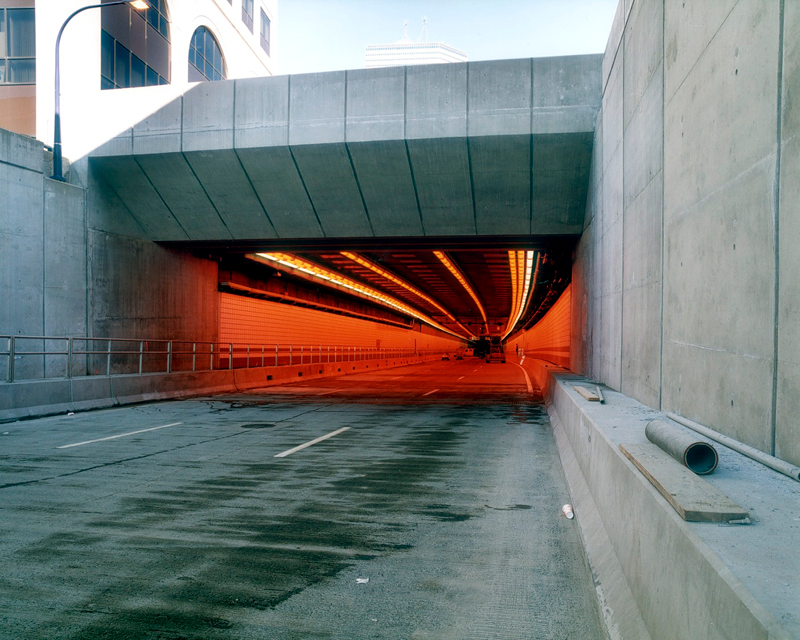
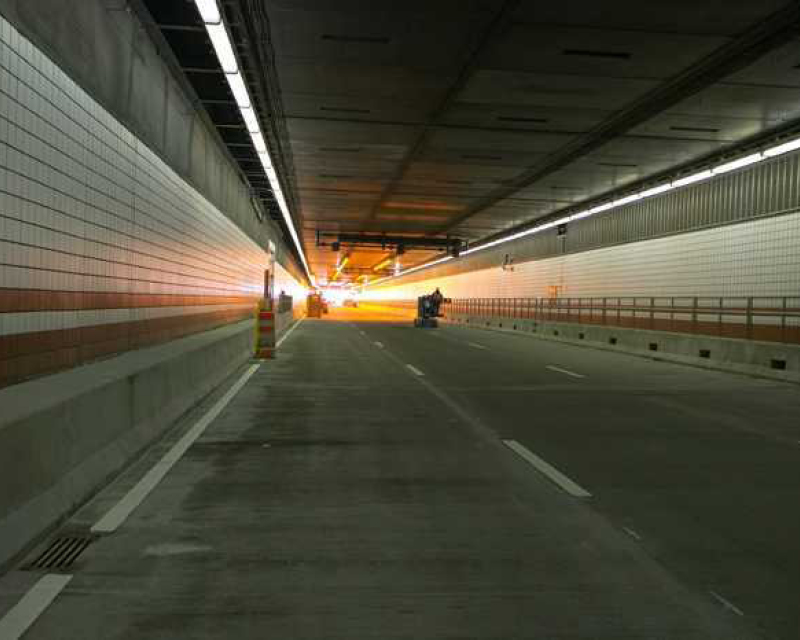
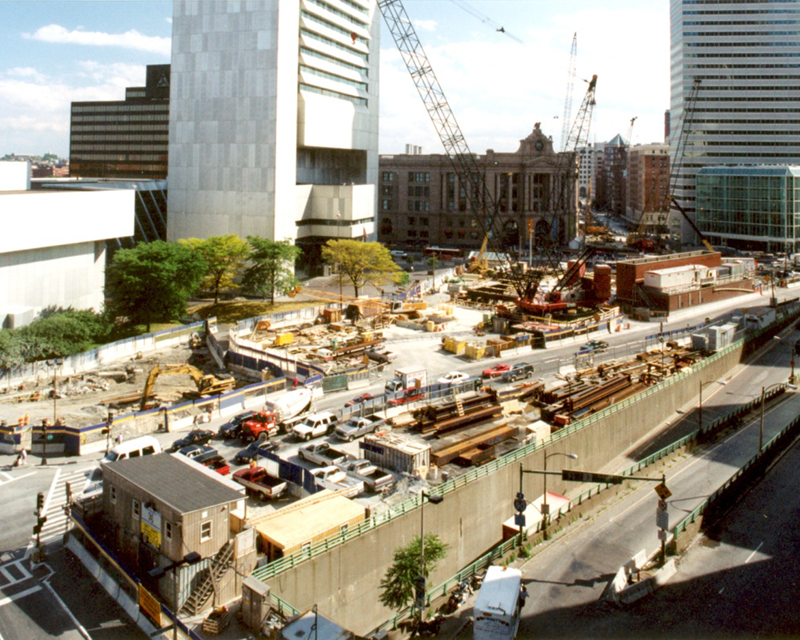
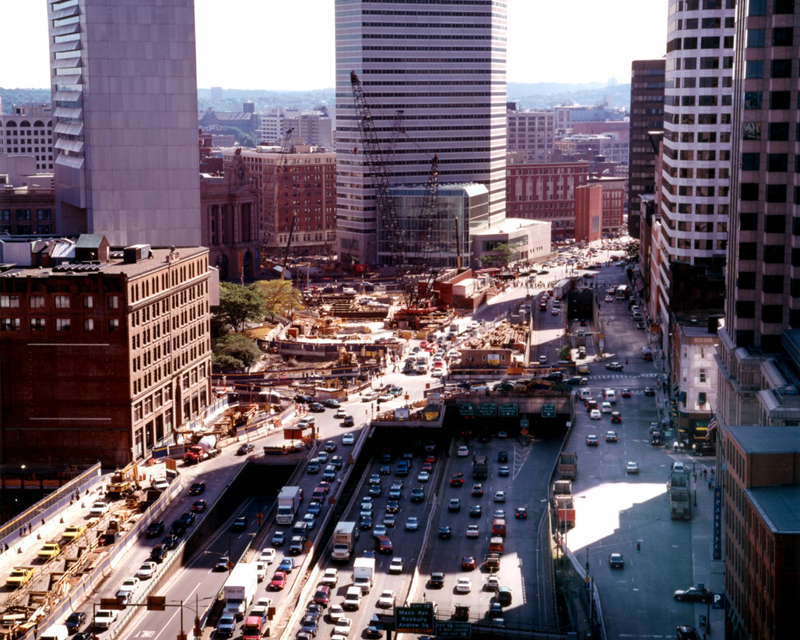
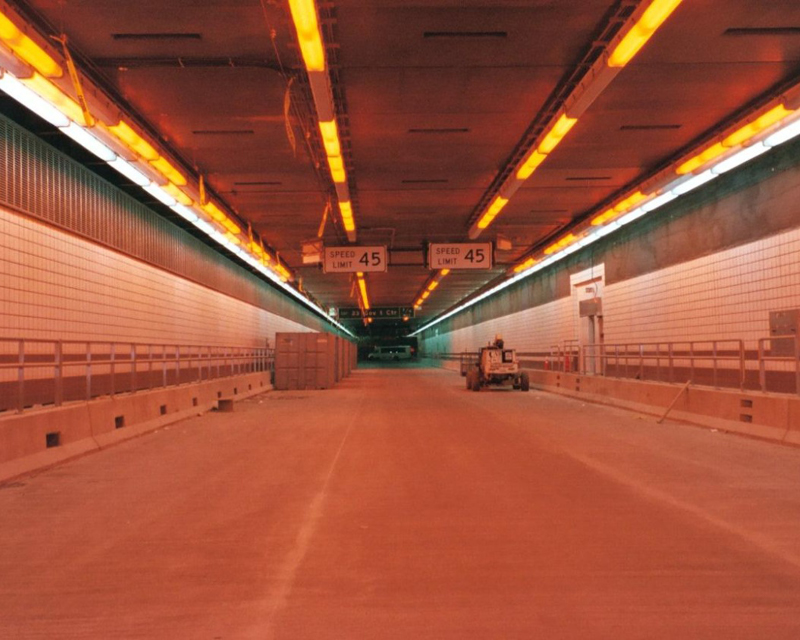
The Central Artery/Tunnel (CA/T) project – known globally as the “Big Dig” – transformed one of the most congested highways in the United States by relocating Boston’s elevated Central Artery (I‑93) into a 3.5‑mile underground tunnel and creating new connections across the city. As part of this historic megaproject, STV, in joint venture, delivered civil, structural, mechanical, electrical, geotechnical and utility engineering services for Section D011A, the most technically complex portion of the northbound tunnel. Located between Kneeland Street and Congress Street, the work required tunneling directly beneath the MBTA’s historic South Station without disrupting transit service, all while supporting one of the largest infrastructure undertakings in U.S. history.
What challenges did STV address?
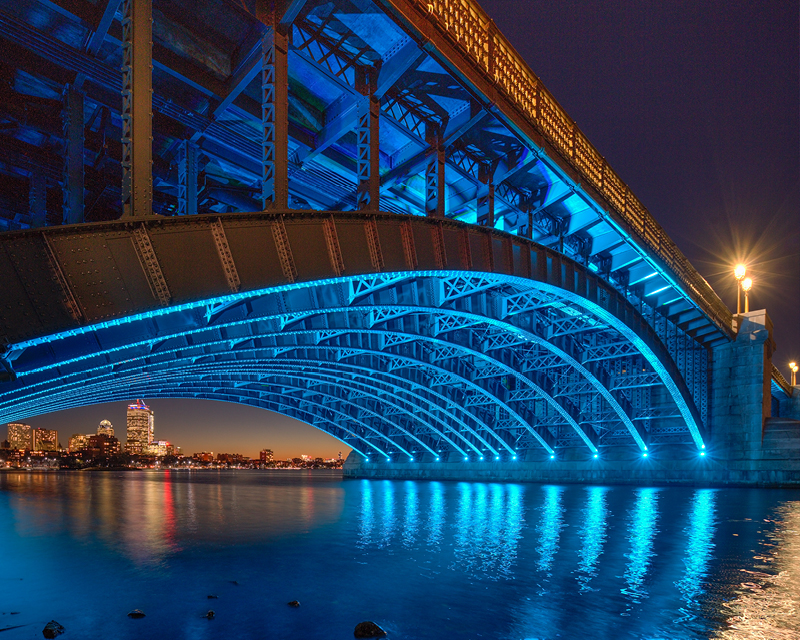
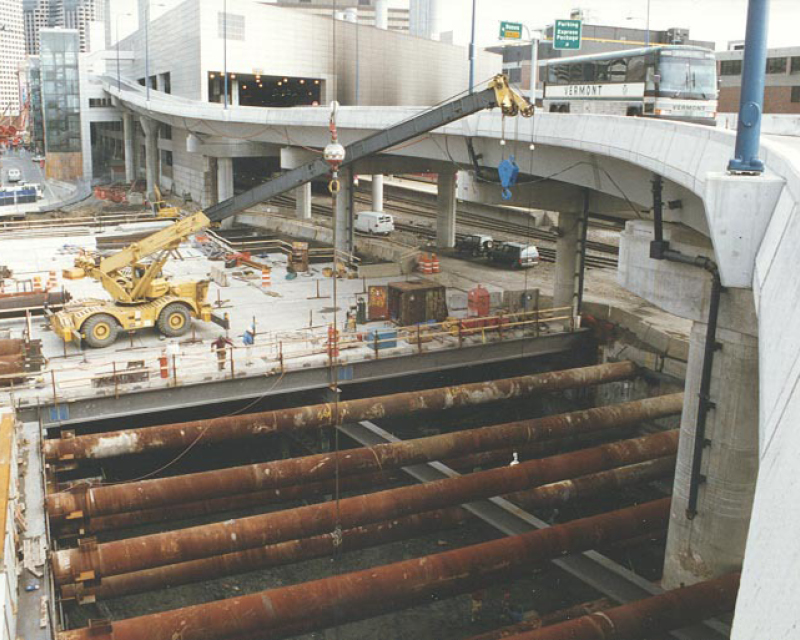
Section D011A required advanced excavation support systems, underpinning South Station and maintaining structural stability while mining beneath active rail infrastructure. The dense urban environment demanded innovative solutions to mitigate settlement risks, preserve adjacent buildings and utilities and maintain continuous mobility for commuters. The project also needed to integrate seamlessly with new regional assets, including the Zakim Bridge and the Rose Kennedy Greenway.
What solutions did STV deliver?
STV managed multidisciplinary design services across civil, structural, mechanical and geotechnical engineering. The team developed excavation support, underpinning systems and complex tunnel structural elements while coordinating utilities and mechanical and electrical systems across the corridor. The work supported the larger CA/T program, which included roadway reconstruction, new public plazas, waterfront improvements and restored green space along the former elevated highway corridor.
How does this project benefit the community?
The Big Dig reduced congestion, improved air quality and reconnected neighborhoods long divided by the elevated highway. Section D011A’s precise engineering enabled safe tunnel construction beneath South Station, contributing to a 12 percent reduction in citywide carbon monoxide levels and creating 45 new parks and public plazas. The project reshaped Boston’s skyline, expanded multimodal connections and strengthened the region’s economic vitality.
Key stats and accolades
- 3.5‑mile‑long tunnel rerouting I‑93
- 12 percent reduction in Boston carbon monoxide levels
- 45 new parks and public plazas created
- Tunneling beneath active MBTA South Station
- Recognized as the top engineering project in Massachusetts by ACEC Massachusetts