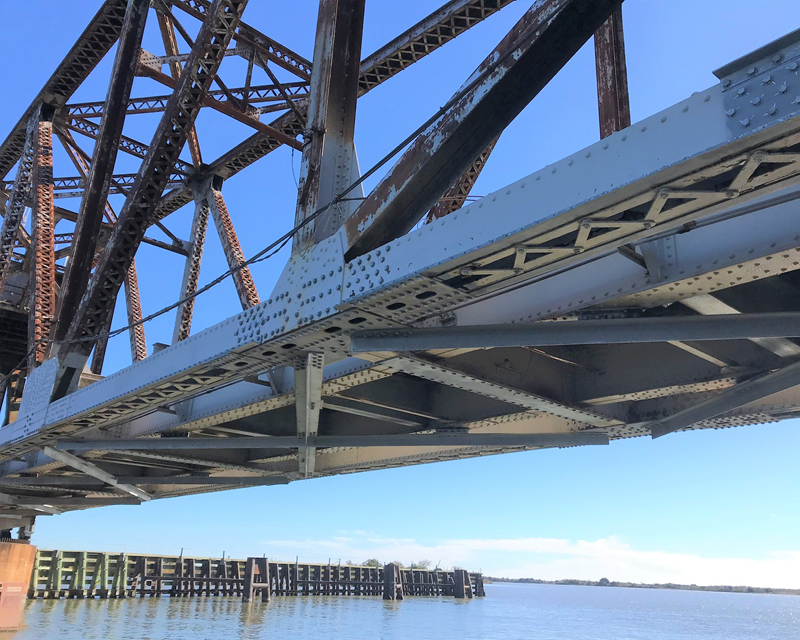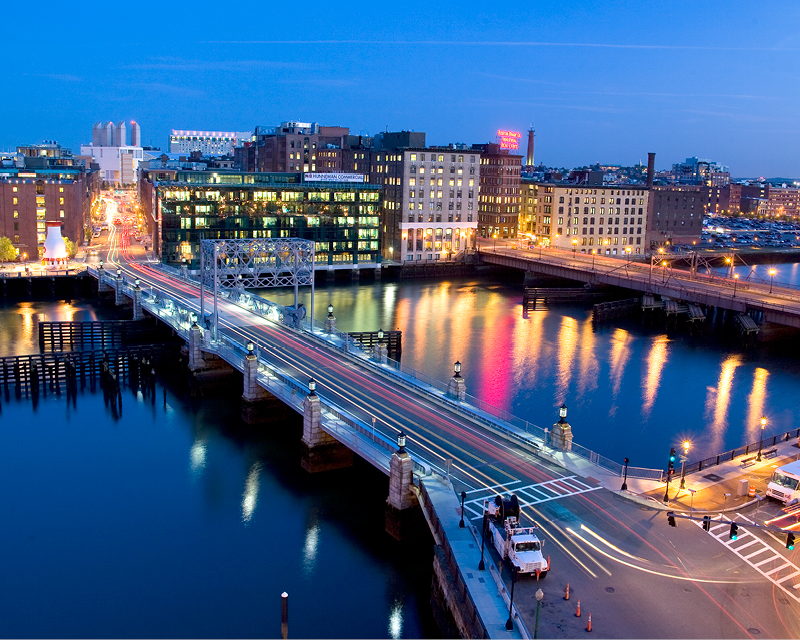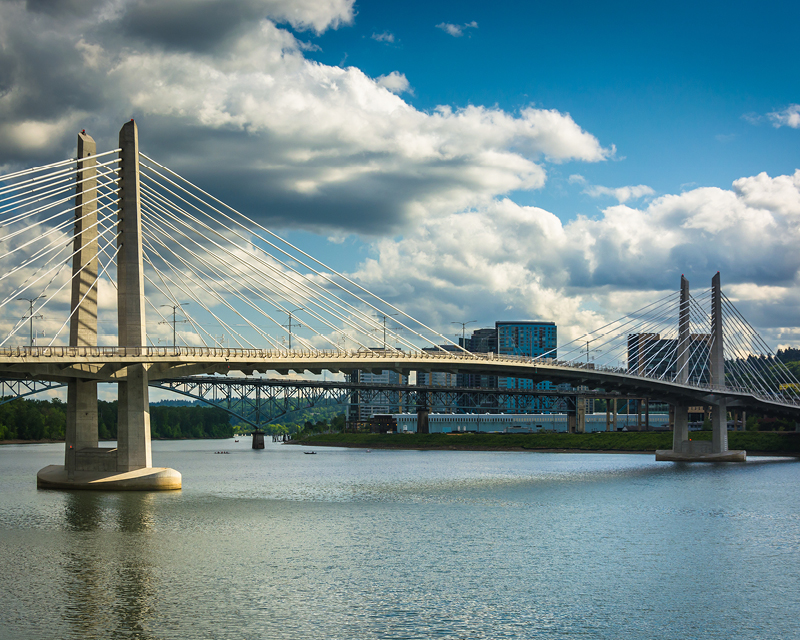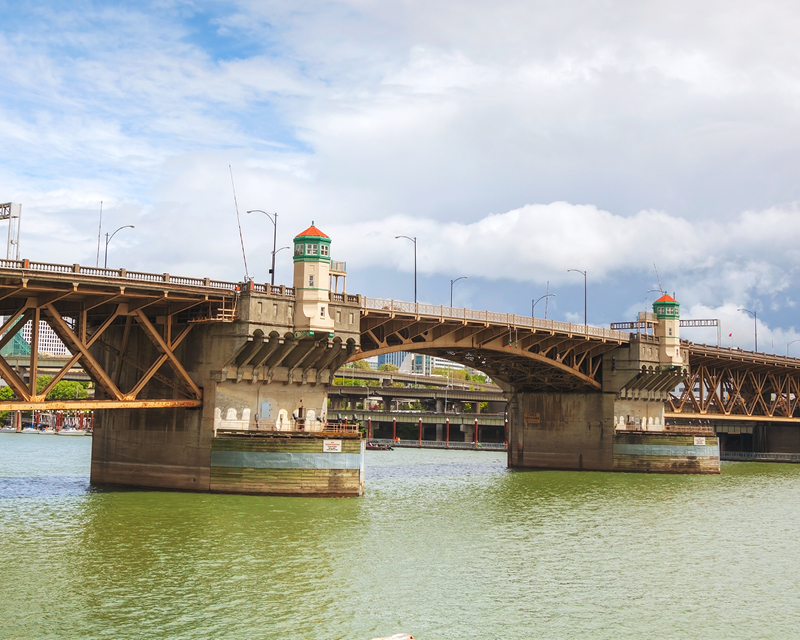
The Burnside Bridge is one of Portland’s most critical river crossings, carrying more than 44,000 vehicles, three bus lines and over 2,000 pedestrians and cyclists each day. Originally constructed in the 1920s, the bascule bridge is a vital link across the Willamette River along the Burnside Corridor. With the region’s seismic risk and the bridge’s advancing age, Multnomah County prioritized the development of a new, seismically resilient structure that will maintain the historic navigation channel and fit within the existing footprint. As part of a team led by David Evans and Associates, Inc., STV is serving as the owner’s representative through design and construction.
What challenges is STV addressing?
The new bridge must meet stringent seismic performance requirements while retaining a large movable span within a dense urban environment. The project requires coordination across complex permitting, funding and engineering disciplines, as well as precise oversight to ensure the design team meets Multnomah County’s schedule, budget and technical needs. Developing an RFP for both the architectural and engineering consultant and the construction manager/general contractor (CM/GC) demanded an integrated procurement approach.
What solutions is STV delivering?
STV is providing project and program management, technical advisory support and oversight of design development to confirm that specifications, performance criteria and constructability requirements are met. The team developed procurement documents for the A/E and CM/GC contracts and continues to guide design coordination to support a seismically resilient movable bridge solution.
How will this project benefit the community?
The new Earthquake Ready Burnside Bridge will provide a safe, reliable, post‑earthquake connection across the Willamette River, supporting emergency response, mobility and long‑term resilience for Portland residents, commuters and businesses.
Key stats and accolades
- Seismically resilient replacement of a 1920s bascule bridge
- More than 44,000 daily vehicles and 2,000 pedestrians and cyclists served
- Retains a large movable span within existing footprint