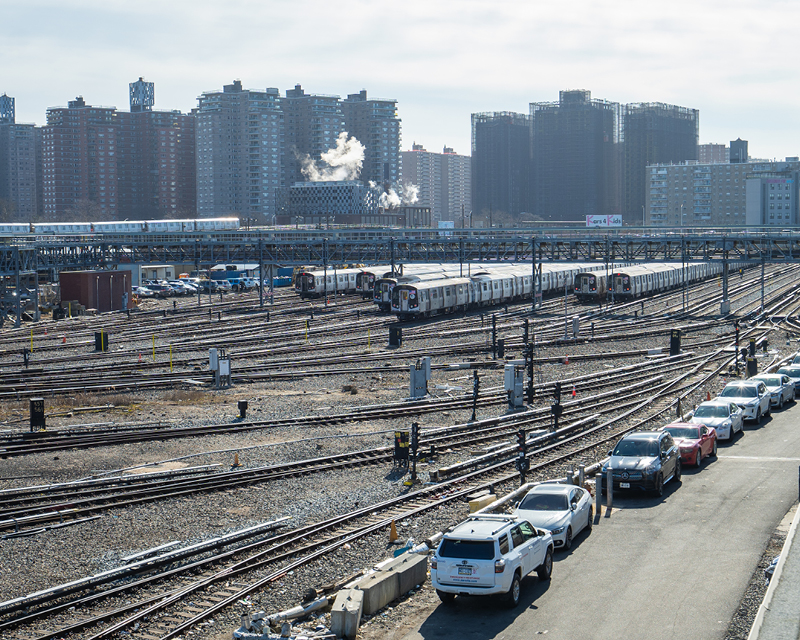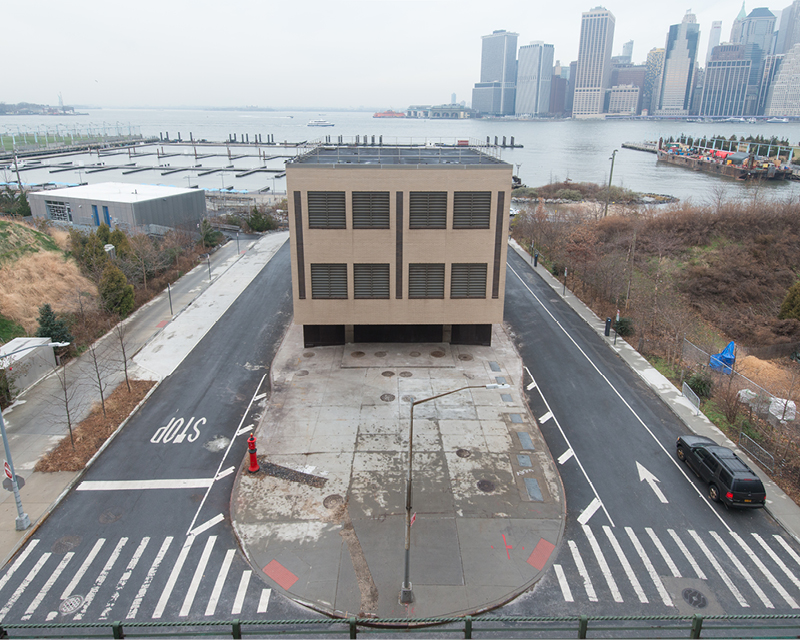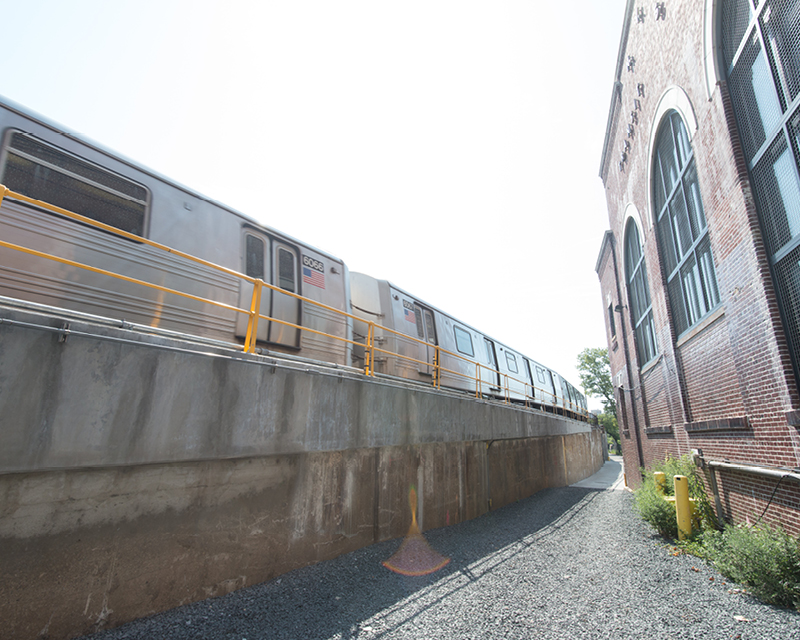
When Superstorm Sandy struck the Northeast in 2012, New York City Transit’s rail network sustained extensive damage from storm surge, flooding and saltwater intrusion. The Hammels Wye Facility in Far Rockaway – home to critical power, signal and mechanical equipment – experienced severe inundation that disrupted transit service for months. As part of NYC Transit’s Fix & Fortify program, the agency advanced a systemwide resilience initiative to protect vulnerable infrastructure from future extreme weather. STV, serving as a subconsultant to AECOM, provided design services to harden the Hammels Wye complex and significantly reduce its exposure to flooding.
What challenges did STV address?
The facility housed essential operations, including a power substation, signal tower, compressor and hydraulic rooms, circuit breaker houses and crew quarters. Many of these spaces had been compromised by saltwater and required both protection and functional reconfiguration. The challenge was to create a robust flood mitigation system capable of withstanding a Category 2 hurricane while maintaining operational continuity and safeguarding critical equipment.
What solutions did STV deliver?
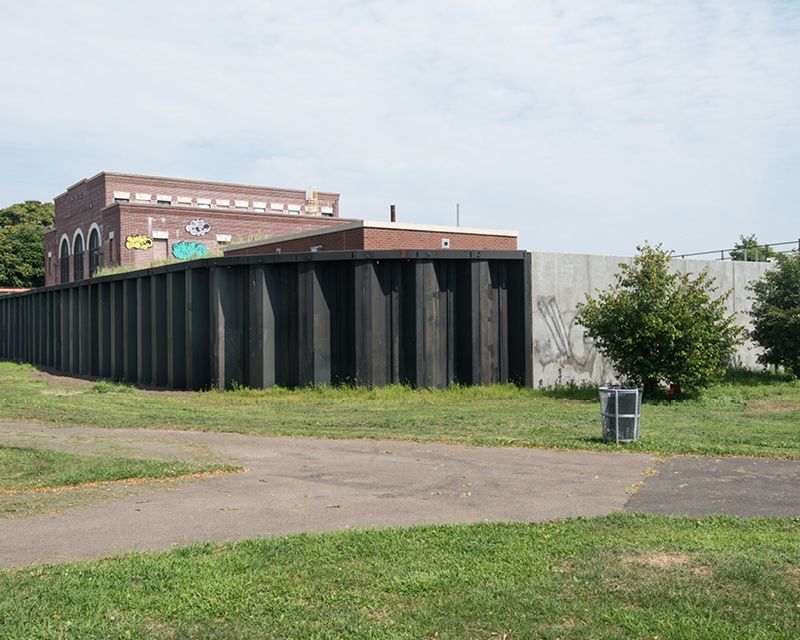
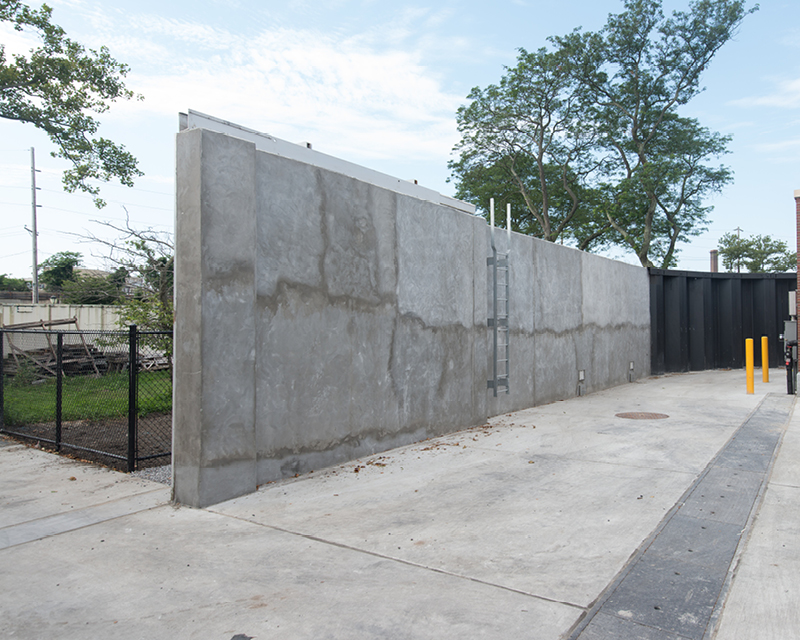
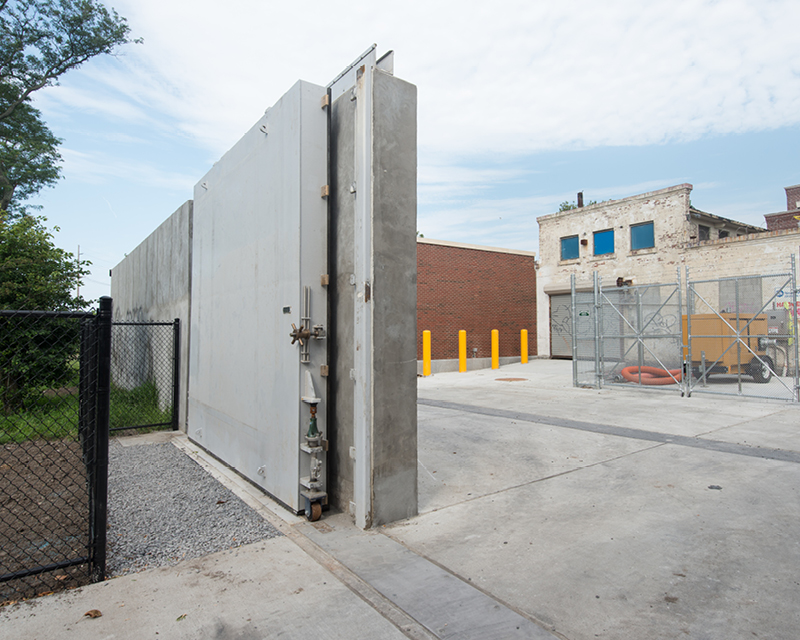
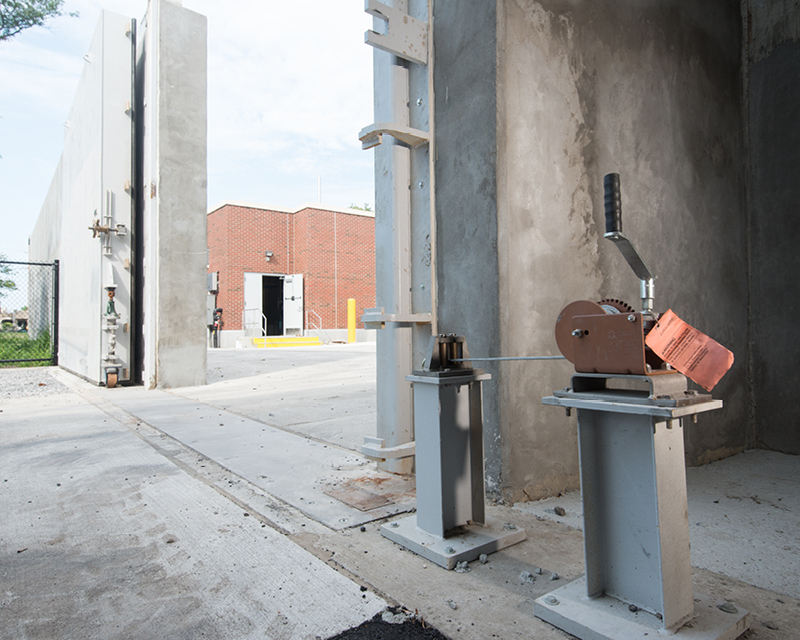
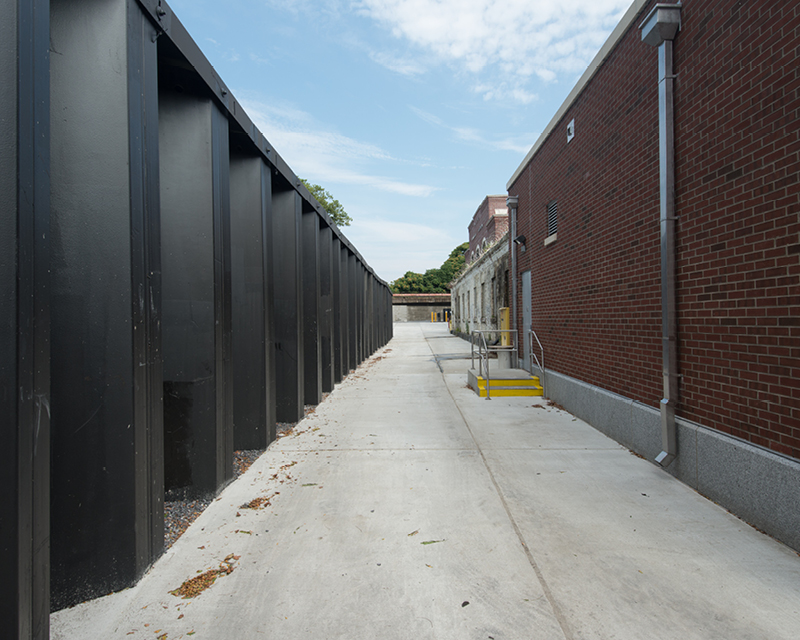
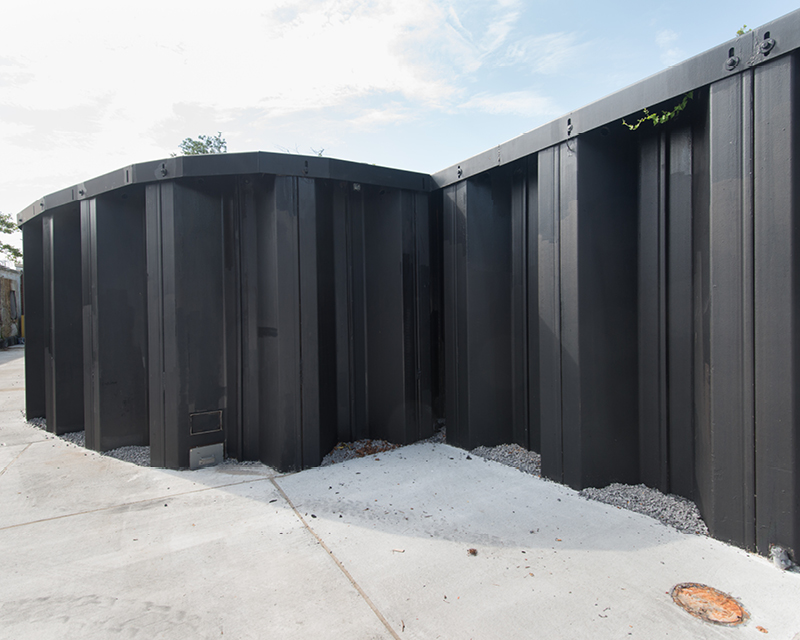
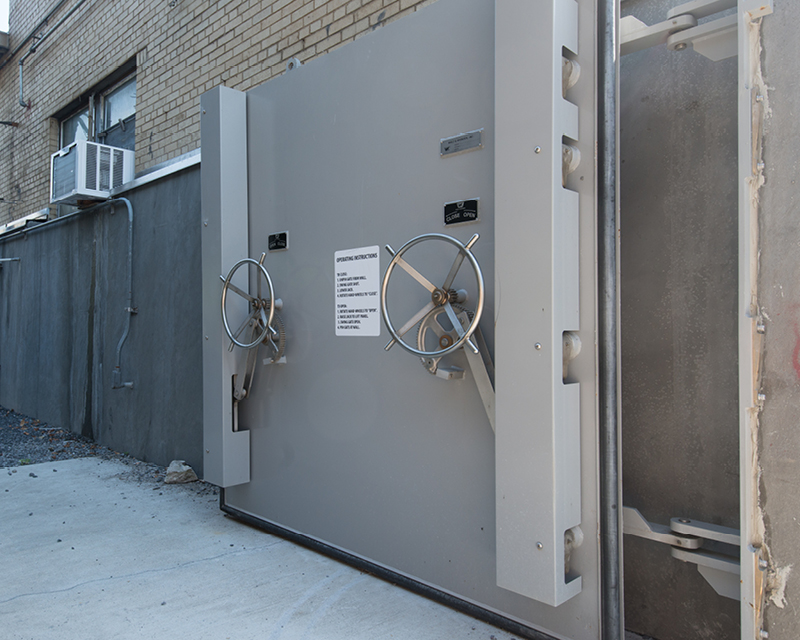
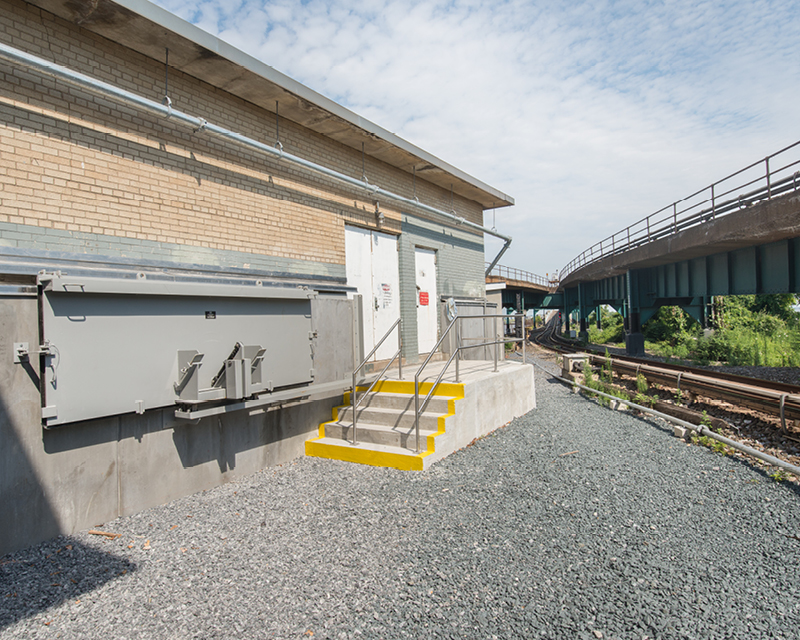
STV developed the design for a flood barrier system consisting of approximately 1,200 feet of concrete and marine sheet walls, forming a 12-foot-tall, 30-foot-deep protective structure. The team reinforced existing brick walls, incorporated four deployable steel barrier gates to form watertight seals and relocated the vulnerable compressor room within the protected zone. These measures created a comprehensive hardening strategy that significantly boosts the facility’s storm resilience.
How does this project benefit the region?
By protecting essential transit infrastructure, the project enhances system reliability and accelerates post‑storm recovery for riders in Queens and across the broader NYC Transit network. The improvements help ensure that future extreme weather events have a reduced impact on critical operations.
Key stats and accolades
- 1,200 feet of concrete and marine wall
- 12‑foot tall, 30‑foot‑deep flood barrier
- Designed to withstand a Category 2 hurricane
- Relocated and protected critical mechanical spaces